

WASHINGTON, D.C. — Senior Pentagon officials have reviewed multiple military scenarios for potential action against Cuba, according to U.S. officials who spoke to CBS News on condition of anonymity, marking one of the clearest signs yet that the Trump administration is weighing force as an option after months of failed diplomatic pressure.
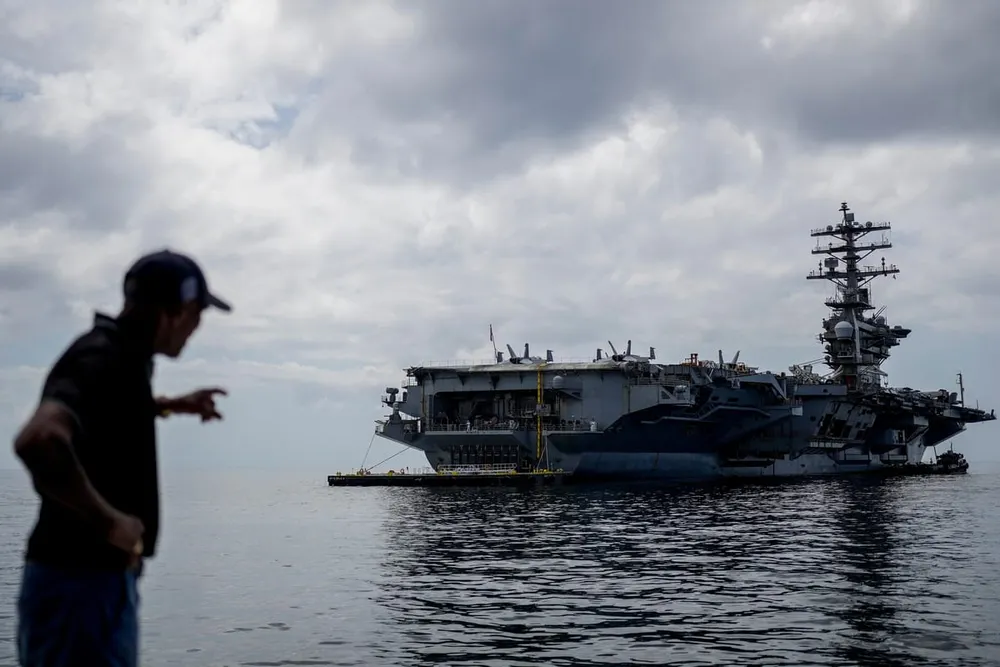
Military planners have reportedly evaluated an Army-led air assault involving thousands of U.S. soldiers, to be carried out by the 101st Airborne Division — the only unit trained for that specific type of operation.
The assessments stem from concept-of-operations briefings held late last month, the kind of planning sessions that examine mission objectives, troop requirements, logistics, and associated risks.
Officials describe the planning as routine contingency work rather than a signal of imminent action, though the fact that it’s happening at all underscores how far the administration’s posture toward Havana has shifted.
There’s also a practical constraint working against any near-term move: much of the U.S. military’s bandwidth is currently tied up in the renewed conflict with Iran. Officials indicated that pivoting significant resources toward Cuba isn’t realistic “at the moment,” given operations against Iran resumed just last week.
Rubio’s Diplomatic Efforts Stalled
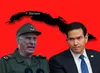
The military planning comes while a diplomatic approach that Secretary of State Marco Rubio himself has acknowledged is faltering. Speaking earlier this year, Rubio said peaceful resolution “remains our preference” with Cuba, but conceded “the likelihood of that happening, given who we’re dealing with right now, is not high.”
Rubio added a pointed warning to Havana: “They’re not going to be able to wait us out or buy time. We’re very serious, we’re very focused.”
President Trump has been even more direct about the possibility of personally overseeing military intervention, telling reporters it “looks like I’ll be the one that does it.” When pressed on the use of force, Rubio stuck to the administration’s now-familiar formulation: “the president always has the option to do whatever it takes to support and protect the national interest.”
Rubio’s most recent public comments came on September 23 at a U.N. General Assembly press briefing, where he framed the issue in broader terms of presidential authority rather than announcing any specific Cuba policy. “If there is a threat to U.S. national security, the president is both empowered and obligated to address it,” he said. He also declared that “the Cuban Revolution has failed” and argued Cuba has a “golden opportunity” for reform, while acknowledging meaningful change would take longer than the six months since Maduro’s removal in Venezuela reshaped the regional picture.
Pressure Building
The military planning doesn’t exist in isolation — it follows a steady escalation of economic and legal pressure. In August, Rubio announced sanctions against five Cuban companies and eight individuals, including Defense Minister Álvaro López Miera and General Staff Chief Roberto Legra Sotolongo.
The targeted entities include Tecnoimport, which imports Russian and Chinese military equipment for Cuba’s armed forces, and Unión de Industria Militar, which manufactures and repairs weapons systems.
Rubio has characterized Cuba as a “state sponsor of terrorism” that “serves as a staging ground for Russia, China, and Iran,” and the administration has published a lengthy report titled “Cuba: The Capital of 21st Century Communism” as part of its broader case against the government.
A May executive order authorized further penalties against anyone supporting Cuba’s security apparatus.
For now, the gap between contingency planning and an actual operation appears significant — officials are explicit that no timeline exists and that Iran remains the immediate military priority. But the combination of stalled diplomacy, mounting sanctions, and now confirmed Pentagon planning suggests Cuba’s government is confronting a U.S. posture that has moved well beyond rhetoric.