

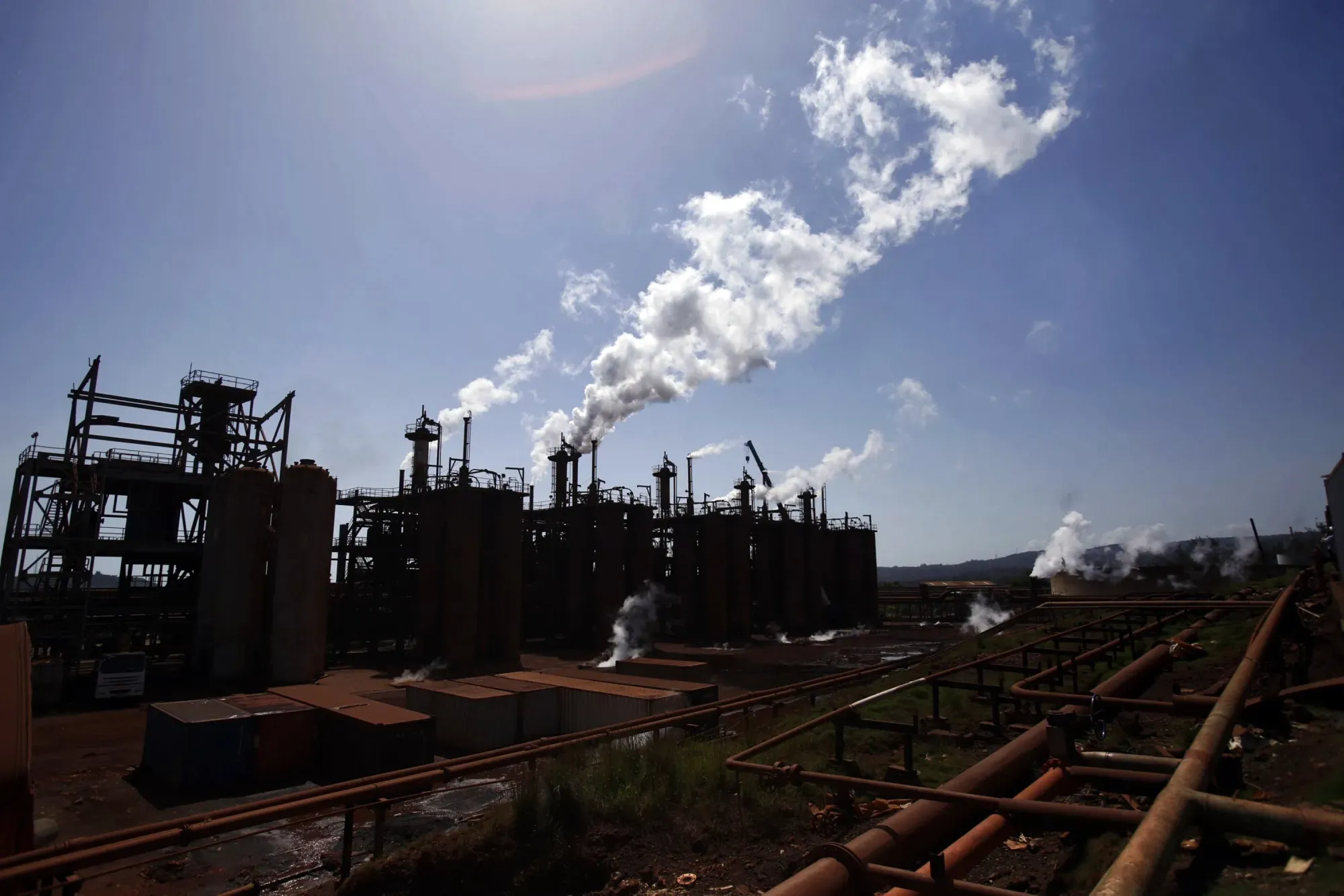
MIAMI — The United States announced new sanctions Thursday against eight Cuban entities and three military officials tied to the island’s nickel industry and its military research and weapons development apparatus, continuing a sustained campaign of economic pressure the Trump administration has escalated steadily throughout 2026.
Secretary of State Marco Rubio announced the designations, split into two groups of four entities each. The first covers state-run companies involved in engineering, research, technical services, and mining tied to nickel extraction, which Rubio said are depleting Cuba’s nickel reserves for the regime’s benefit. The second targets military companies dedicated to research and development of weapons systems, naval capabilities, and battlefield simulation technology — specifically identified as the Centro de Investigación y Desarrollo de Simuladores (SIMPRO), the Centro de Investigación y Desarrollo Naval (CIDNAV), the Centro de Investigación y Desarrollo de Armamento de Infantería (CIDAI), and Pinares S.A.
Three military officials who direct these entities were also named individually, identified in subsequent reporting as Joaquín Francisco Cancio Marín among others.
Legal Framework
All of the new designations were made under Executive Order 14404, which President Trump signed on May 1, 2026, authorizing sweeping sanctions against individuals and entities operating in Cuba’s energy, defense, metals and mining, and financial services sectors, as well as those found responsible for corruption, serious human rights violations, or support for Cuba’s security apparatus.
Under the order, any property or interests belonging to designated individuals or entities that fall within U.S. jurisdiction are blocked, and their transactions with American persons are restricted.
The Treasury Department’s Office of Foreign Assets Control (OFAC) is responsible for enforcing and reporting on the blocked assets.
Rubio characterized the sanctions as targeted specifically at the resources sustaining Cuba’s ruling elite rather than the Cuban population at large.
“For decades, the Cuban regime has channeled all the island’s resources toward a narrow and corrupt military elite, leaving ordinary Cubans without reliable electricity, food, or dignity,” Rubio said in the State Department’s official statement.
Rubio added that the goal of the broader sanctions policy is to change the behavior of the structures being targeted, and confirmed the administration will continue using these tools against those it says sustain Cuba’s repressive and military apparatus.
Thursday’s action is not an isolated designation but the latest in a steadily escalating sequence.
On September 3, just two weeks earlier, OFAC added additional Cuban companies to its sanctions list, including financial entities and companies tied to fuel and nickel — a round that notably included one of former President Raúl Castro’s grandsons, continuing a pattern of designations that has separately touched Castro’s son and another grandson earlier in the year, along with President Miguel Díaz-Canel himself.
That same period saw U.S. pressure on Cuba escalate on a separate front: in late January, Washington threatened additional tariffs on countries supplying oil to Cuba, prompting Mexico and other suppliers to suspend shipments, worsening the island’s already severe energy crisis.
In May, the Justice Department formally indicted Raúl Castro over the 1996 downing of two aircraft belonging to the Cuban-American exile group Brothers to the Rescue, which killed four Americans.
The designations do not extend to Cuban citizens broadly, whether on the island or living abroad in the United States, Spain, or elsewhere. The measures apply specifically to the individuals and entities named. However, restrictions on the sanctioned entities could indirectly affect certain international financial or commercial relationships involving banks, companies, or individuals subject to U.S. jurisdiction — with the concrete impact of any given transaction depending on the specific parties and regulations involved.
Warning to Third Parties
The State Department also cautioned that foreign persons who engage in transactions with the newly designated individuals or entities, or who operate in Cuban sectors covered by the sanctions framework, could themselves become exposed to future U.S. sanctions — a warning aimed at deterring international businesses and financial institutions from continuing to work with the targeted Cuban entities.
With sanctions rounds now arriving roughly every two weeks since late August, and Executive Order 14404 providing broad authority to continue expanding the list of targeted entities across Cuba’s energy, defense, mining, and financial sectors, further designations appear likely in the coming weeks.
The administration will continue to apply economic pressure with the aim of producing the behavioral change Secretary Rubio has said is the policy’s goal, but for now, the sanctions will simply add to the extensive tally of sanctions Havana’s government has repeatedly cited as the primary driver of the island’s economic crisis.
With negotiations seemingly at a public standstill, the island’s residents remain eager for democratic reforms.


