
Section archive
Cuba
Sociedad Media covers Cuba’s unfolding crisis with original reporting from Miami—the city with the largest Cuban exile community in the world. From the island’s historic blackouts and consecutive nights of street protests, to U.S.-Cuba negotiations, Díaz-Canel’s future, and the energy collapse threatening the regime’s survival, we track every development in the story that defines Miami’s Cuban community like no other
All desks
Americas
Brazil
Business
Caribbean
Central America
Cuba
Culture
Democracy
Economy
Entertainment 305
Immigration
Inside Latin America
Mexico
Miami News
Miami Politics
Newsletters
Nuevo Miami
Security
Socialism Finale
Sociedad Media Now
Society
South America
Sponsors
Terms of Service
U.S. Politics
Venezuela
Venezuela & Cuba Now
Video
Viral Clips
World
Cuba
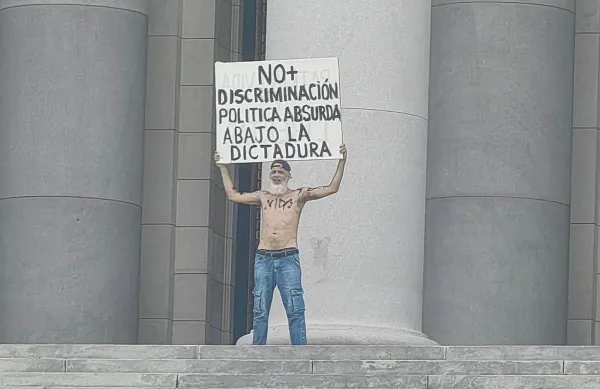
Protester Ariel Limias Leyva Detained in Cuba, Transferred to State Security Prison After Demonstration
By Sociedad Media
Cuba
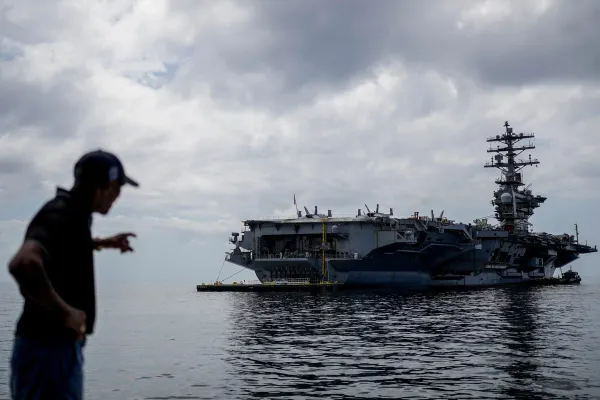
Pentagon Weighs Military Options for Cuba as Rubio's Diplomatic Push Stalls
By Dionys Duroc

Cuba
U.S. Targets Cuba’s Nickel Industry & Military Research Arm in Latest Sanctions Round
By Dionys Duroc

Cuba
Cuba’s President Issues 9/11 Commemoration, Accuses U.S. Government Of “State Terrorism”
By Dionys Duroc

Cuba
Longtime Foreign Minister Hints at Resignation as Cuba’s Regime Dismisses Political Change
By Sociedad Media
Cuba
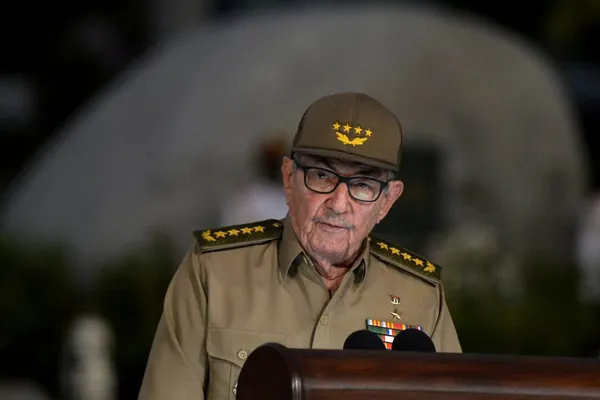
Raúl Castro Reported Gravely Ill as Rumors Swirl Amid Stalled U.S.-Cuba Negotiation
By Sociedad Media
Cuba
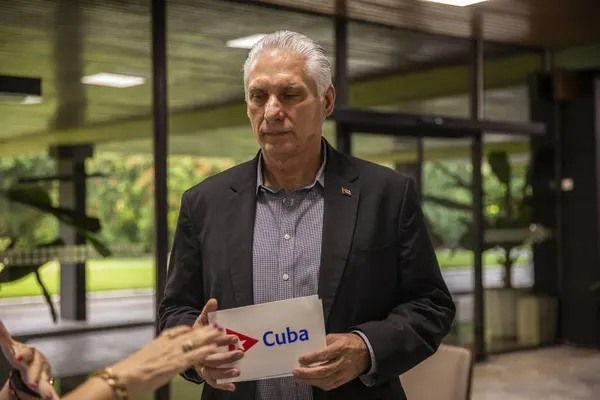
“No Capitalist Reforms”: Díaz-Canel’s Defiance Collides With a Collapsing Island & U.S. Pressure
By Sociedad Media

Cuba
Cuba’s Population In Freefall: Deaths Doubled Births in 2025 as Economic Conditions Worsen
By Sociedad Media
Cuba
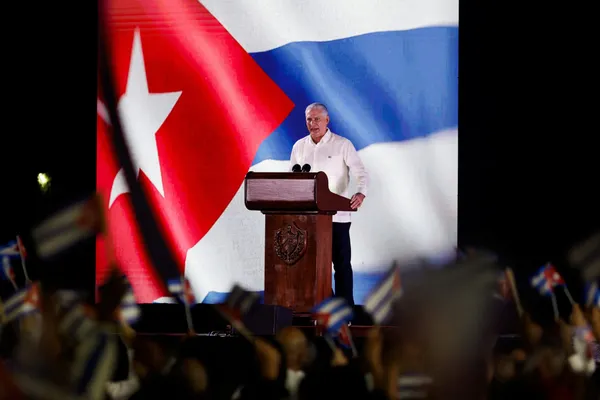
Cuba’s Military Holds $18 Billion in Liquid Assets While Its People Endure Blackouts and Hunger
By Dionys Duroc

Cuba
Díaz-Canel Compares U.S. Policy Towards Island To “Nazis,” Accuses Washington Of Genocide as Energy Crisis Deepens
By Sociedad Media
Cuba
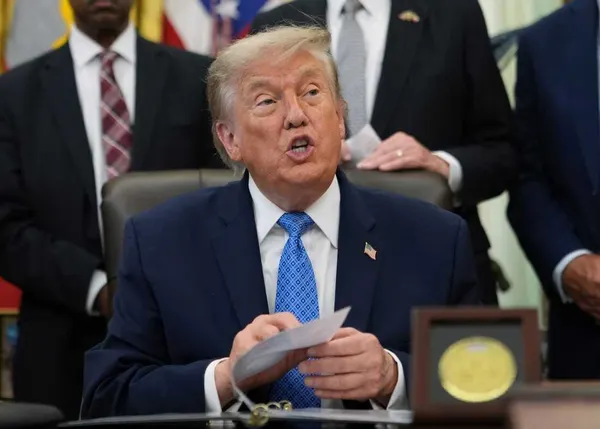
Trump Says U.S. Will “Take Care of It” If Iran Has Drones in Cuba
By Dionys Duroc

Cuba
Washington Sanctions Cuba’s Paramilitary Groups, Tourism Ministry, and Forced Labor Exporters
By Sociedad Media
Cuba
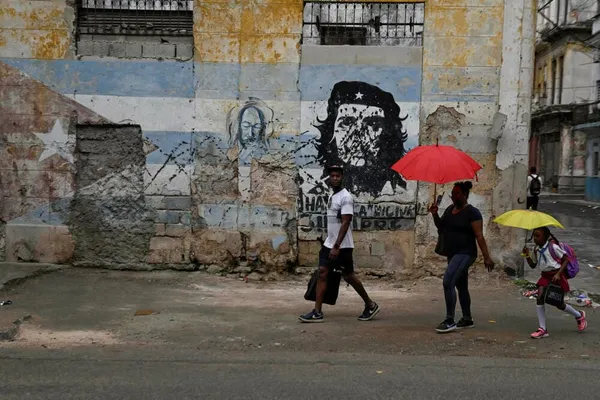
Islandwide Energy Blackout Slams Cuba
By Dionys Duroc
Cuba
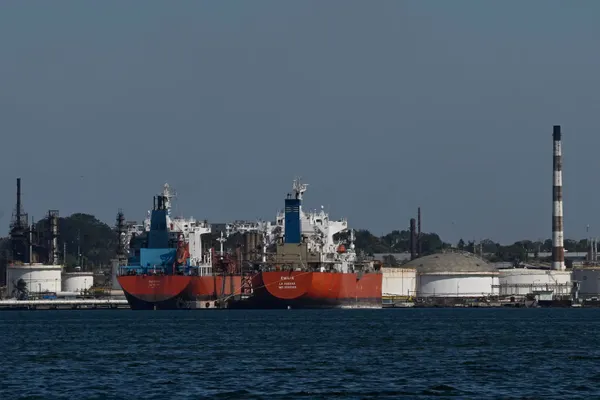
Washington Sanctions Cuba’s Oil Company — and Experts Warn It Will Hit Ordinary Cubans Hardest
By Dionys Duroc
Cuba
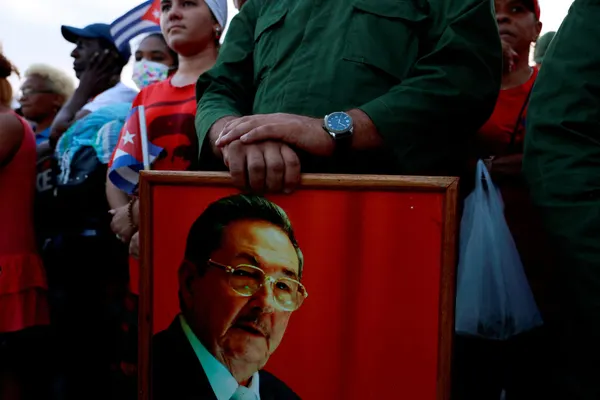
Cuba Just Approved Its Most Sweeping Economic Reforms Since 1959 — And Called Them Socialism
By Dionys Duroc
Cuba
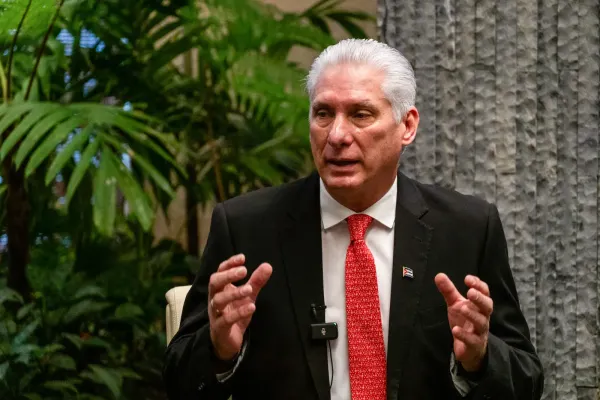
Washington Sanctions Díaz-Canel, Wife & Castro Dynasty in Third Cuba Escalation in a Month
By Dionys Duroc
Cuba
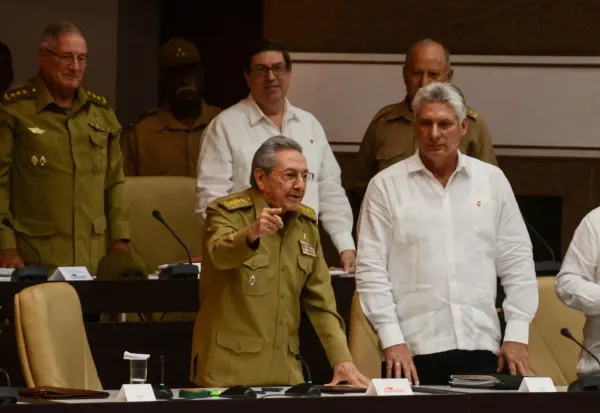
U.S. Indicts Cuba’s Raúl Castro 30 Years After Humanitarian Aid Shootdown. Miami Herald Gets Out of the Way This Time
By Dionys Duroc
66 stories