

MEXICO CITY — A former Chihuahua prosecutor who helped the CIA work alongside state police against drug cartels had himself been accused of cartel ties and had lost his U.S. visa. The New York Times reported this week that Guillermo Zuany Portillo shepherded CIA officers for more than six months, beginning last year, as they trained state forces, joined them on counter-cartel missions and provided expertise during ground operations.
He now faces an arrest warrant in Mexico, and his former boss has been arrested on treason charges.
Who is Zuany Portillo
Zuany was Chihuahua’s special prosecutor for strategic operations and anti-kidnapping, and previously headed the State Investigation Agency. The U.S. government canceled his visa late last year, accusing him of ties to Mexican cartels in Chihuahua, according to a letter the Mexican government sent to the FBI and people familiar with his visa status.
The letter says the FBI had been investigating him, though the status of that case is unclear. Mexican and American officials said his visa was reinstated late last year, after he facilitated the CIA’s partnership with Mexican forces in Chihuahua.
The Times reporting does not say the CIA knowingly traded the visa for his cooperation. It describes his situation as one that left him especially willing to work with the agency.
The arrangement surfaced after a joint operation in April to dismantle a drug lab in Chihuahua. Two CIA agents and two state officials died in a car accident on their way back from the operation. The U.S. embassy first described the Americans as “instructor officers,” and U.S. media later reported they worked for the CIA.
Chihuahua Attorney General César Jáuregui said President Claudia Sheinbaum was not briefed on the mission because it involved only about 40 Mexican agents.
He had initially denied any involvement of foreign agents.
Treason Charges
Jáuregui was detained last month on a treason charge. He is accused of allowing CIA officers to take part in the April drug lab raid without authorization from the Mexican government. Jáuregui has denied the charge and blames a state police commander who also died in the crash for the CIA’s presence.
The Associated Press reported that one analyst, Pérez Ricart, said the treason debate “sends a very bad signal to Washington,” because the conversation should center on “more or better” collaboration with the U.S.
Governor’s Office Disputes Zuany’s Account
The Times quotes Zuany as saying Chihuahua Governor Maru Campos knew of the CIA’s presence in the state, which Campos denies. Chihuahua prosecutors responded that statements attributed to a person with an active arrest warrant are not part of the investigation file, and that the office does not comment on versions expressed outside the process.
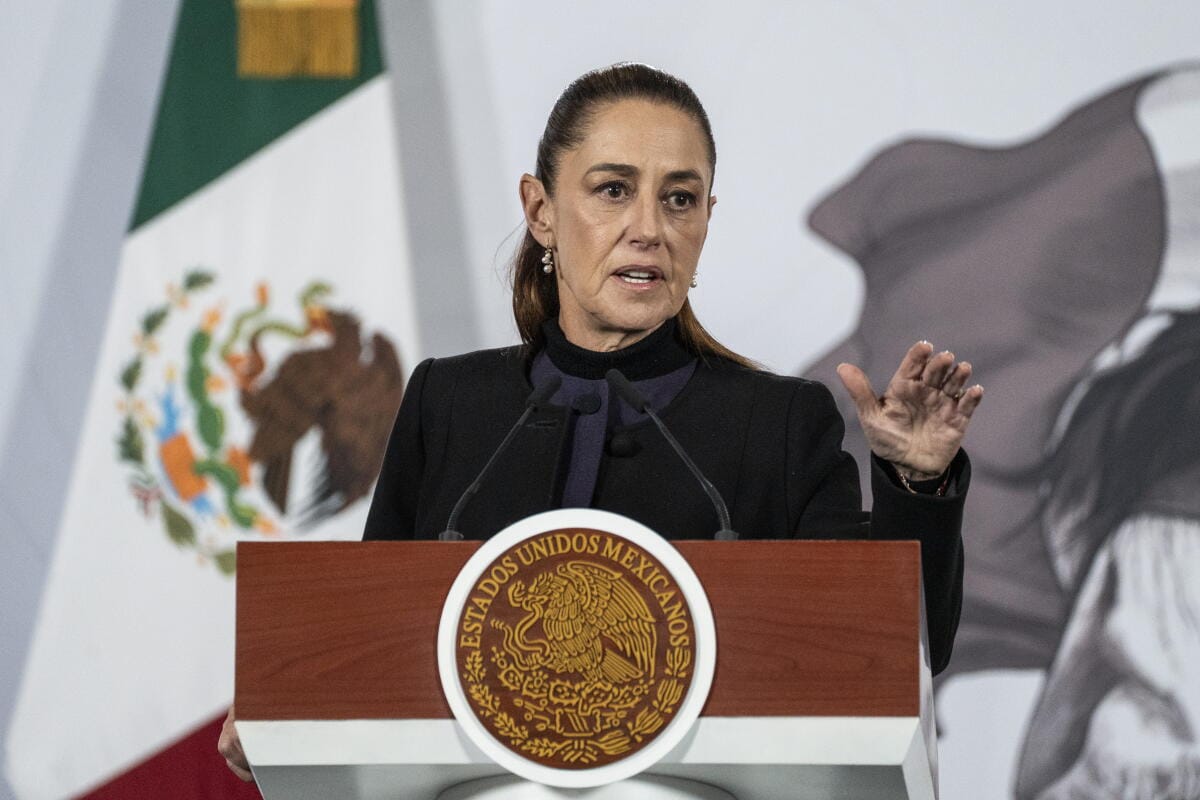
Sheinbaum called the Times report “very interesting” at her Wednesday press conference.
Zuany Reportedly in U.S. Hands
A follow-up Times report says Zuany, who faces an arrest warrant in Mexico for allowing CIA agents into Chihuahua, is under U.S. government protection, according to Mexican and U.S. officials.
Neither Washington nor Zuany has publicly commented on his whereabouts or status in the reporting reviewed.
The case sharpens an ongoing sovereignty dispute that began in April, and one that has since intensified as the Trump administration intends to carry the fight to drug cartels on Mexican soil. Mexico’s federal government says security cooperation with the U.S. must be approved in Mexico City.
The Times account suggests the CIA found a working partner at the state level, one the U.S. government had itself flagged for alleged cartel links. How much Washington knew, and who in Mexico authorized what, is uncertain.