

WASHINGTON, D.C. — The Trump administration escalated its campaign against the Sinaloa Cartel on Tuesday, with the Treasury Department sanctioning 21 individuals and 25 entities tied to Los Mayos, one of the cartel’s two dominant factions, and alleging the group’s corruption network reaches deep into Baja California’s political establishment.
Targets
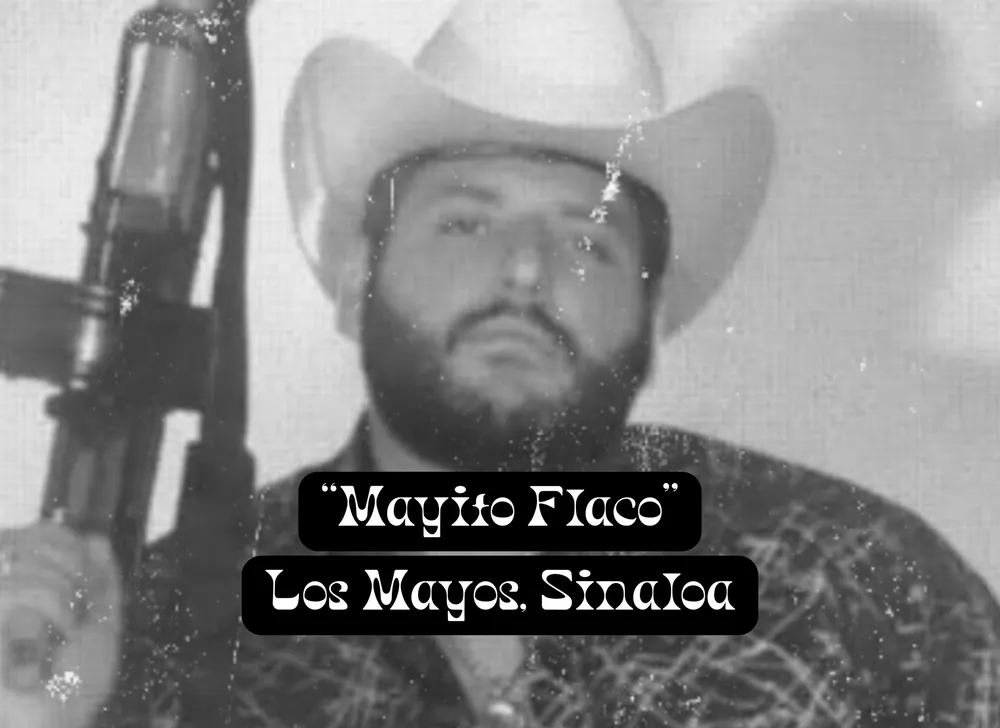
At the center of the action is Ismael Zambada Sicairos, known as “Mayito Flaco,” whom Treasury calls the “undisputed head” of Los Mayos.
Born in Anaheim, California, in 1982, Zambada Sicairos is a dual U.S.-Mexican citizen who filed a legal name change in 2001, reportedly to obscure his cartel ties. He was indicted by a federal grand jury in the Southern District of California in July 2014 on drug trafficking and money laundering charges and remains a fugitive in Mexico, where he took over Los Mayos following the July 2024 arrest of his father, cartel co-founder Ismael “El Mayo” Zambada García.
The faction has since been locked in a violent civil war with its rival, Los Chapitos, over territorial control.
Baja California Corruption Allegations
The U.S. Treasury’s designations reach directly into Baja California’s government. Carlos Alberto Torres Torres, the ex-husband of Baja California Governor Marina del Pilar Ávila, is accused of functioning as a “cartel-linked political operator” who used his political influence to shield Los Mayos from state and police action, allegedly receiving monthly protection payments funneled through his brother, Luis Alfonso Torres Torres, who Treasury says laundered proceeds through businesses and political campaigns.
Torres and Ávila divorced in October 2025; the state government has said Ávila herself is not implicated and holds no undisclosed foreign accounts or property.
The U.S. had already revoked Torres’s visa in May 2025 over his alleged cartel affiliation.
Also named was Pedro Ariel Mendívil García, Mexicali’s former public security director, accused of accepting bribes from cartel figure Juan José Ponce Félix — known as “El Ruso” — in exchange for handing control of municipal police to the cartel.
A third official, Rafael Buenrostro Martín, a former Chihuahua customs official and legislative advisor to the Baja California state government, was accused of trading political favors for bribes from senior cartel leader José Ángel Rivera Zazueta.
Violence Reaching Into the U.S.
The sanctions also target Lorenzo Castillo Maldonado, described by Treasury as a security provider for “Mayito Flaco” who was released from Mexican prison through bribed officials and who coordinates hitmen and criminal networks — including, Treasury alleges, hired killers who have targeted rival cartel members in Southern California on “Mayito Flaco’s” orders.
U.S. Treasury separately designated Alfonso and René Arzate García, longtime joint controllers of the Tijuana drug corridor, along with three lieutenants accused of running fentanyl production, trafficking, and coordinating cartel violence.
Money laundering infrastructure was hit as well. Treasury designated Magic Casa de Cambio, a Tijuana currency exchange it says collects bulk cash narcotics proceeds from Southern California through complicit U.S. exchanges before laundering the funds back into Mexico.
The exchange’s previous owner was murdered in October 2023, allegedly on the orders of cartel lieutenant Pedro Humberto Martínez Rodríguez.
U.S. Treasury Secretary Scott Bessent framed the action as part of a sustained campaign, stating: “Our message is clear: the Trump Administration will identify and disrupt any cartel actor who threatens our security or the integrity of our financial system.”
Treasury’s Office of Foreign Assets Control says it has taken more than 30 actions targeting over 400 individuals and entities since the start of 2025, working alongside the Homeland Security Task Force.
The designations block any U.S. property held by the named individuals and entities and prohibit Americans from doing business with them, with potential secondary sanctions for foreign banks that facilitate transactions on their behalf.
None of the named individuals have been convicted in connection with these specific allegations, and Governor Ávila’s office has publicly distanced her from the case against her ex-husband.
The action nonetheless marks one of the clearest U.S. government statements yet alleging that Sinaloa Cartel corruption has penetrated not just local police forces, but the inner political circles of a sitting Mexican state government.