
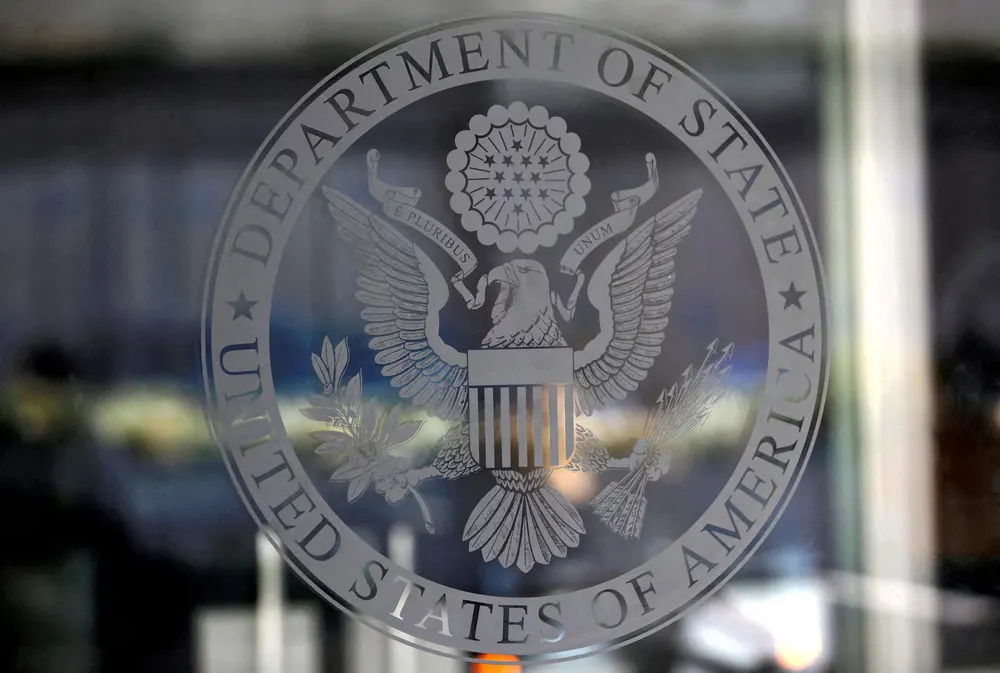
The United States has revoked or restricted the visas of 27 officials across Bolivia, Colombia, Ecuador, and Peru, in one of the broadest coordinated actions the State Department has taken against alleged corruption and narco-trafficking in the region this year.
The announcement, made on Sunday, targets judges, prosecutors, a sitting senator, businessmen, and one of Bolivia’s top law enforcement officials.
The Scope of the Action
Bolivia bore the brunt of the measure, with 12 officials losing their visas outright and 9 more facing restrictions — a group that includes judges, prosecutors, magistrates, a police colonel, and a businessman. Named individuals include Martín Daniel Irusta Flores, Albania Chane Caballero Saavedra, and Alberto Zeballos Flores, among others.
Colombia saw two officials affected: Euclides Antonio Torres Romero, a businessman with interests in energy and infrastructure, and Martha Isabel Peralta Epieyú, a sitting senator.
Peru’s case centers on Juan Carlos Núñez Matos, a constitutional court judge in Lima. Ecuador also had two officials targeted, though the State Department withheld their names.
The most prominent name in the announcement is Roger Mariaca, Bolivia’s attorney general, elected to the post in 2024. The State Department publicly designated Mariaca for allegedly “abusing public office” by soliciting bribes to facilitate drug trafficking — a striking accusation against one of the country’s most senior law enforcement figures, and one that raises pointed questions about the integrity of Bolivia’s justice system at a moment when the country is still working to stabilize its institutions.
Message From Washington
The State Department framed the action as part of a broader campaign against corruption undermining democratic governance across the region. In a statement, the department said plainly: “Corrupt foreign officials can no longer enter the United States freely.” Officials cited three overlapping justifications for the visa actions: corruption and involvement in narco-trafficking, undermining democratically elected governments, and endangering the rule of law more broadly across Latin America.
The action fits a pattern the Trump administration has leaned into throughout 2026 — using visa policy as a tool of pressure against officials accused of enabling organized crime or corruption, rather than relying solely on sanctions or diplomatic statements. It follows a similar, though separate, string of measures the administration has taken against Cuban and Venezuelan officials this year, suggesting a consistent strategy of targeting individuals directly rather than governments as a whole.
None of the four governments named in the State Department’s announcement had issued a public response as of this writing, and the specifics behind the allegations against most of the 27 officials — beyond the headline case against Mariaca — remain limited to what Washington has disclosed.
The possibility that any of the named officials facing formal legal consequences in their home countries, or whether their governments will push back against the U.S. designations, remains to be seen.
Sociedad Media will continue following reaction from Bolivia, Colombia, Ecuador, and Peru as it develops.