


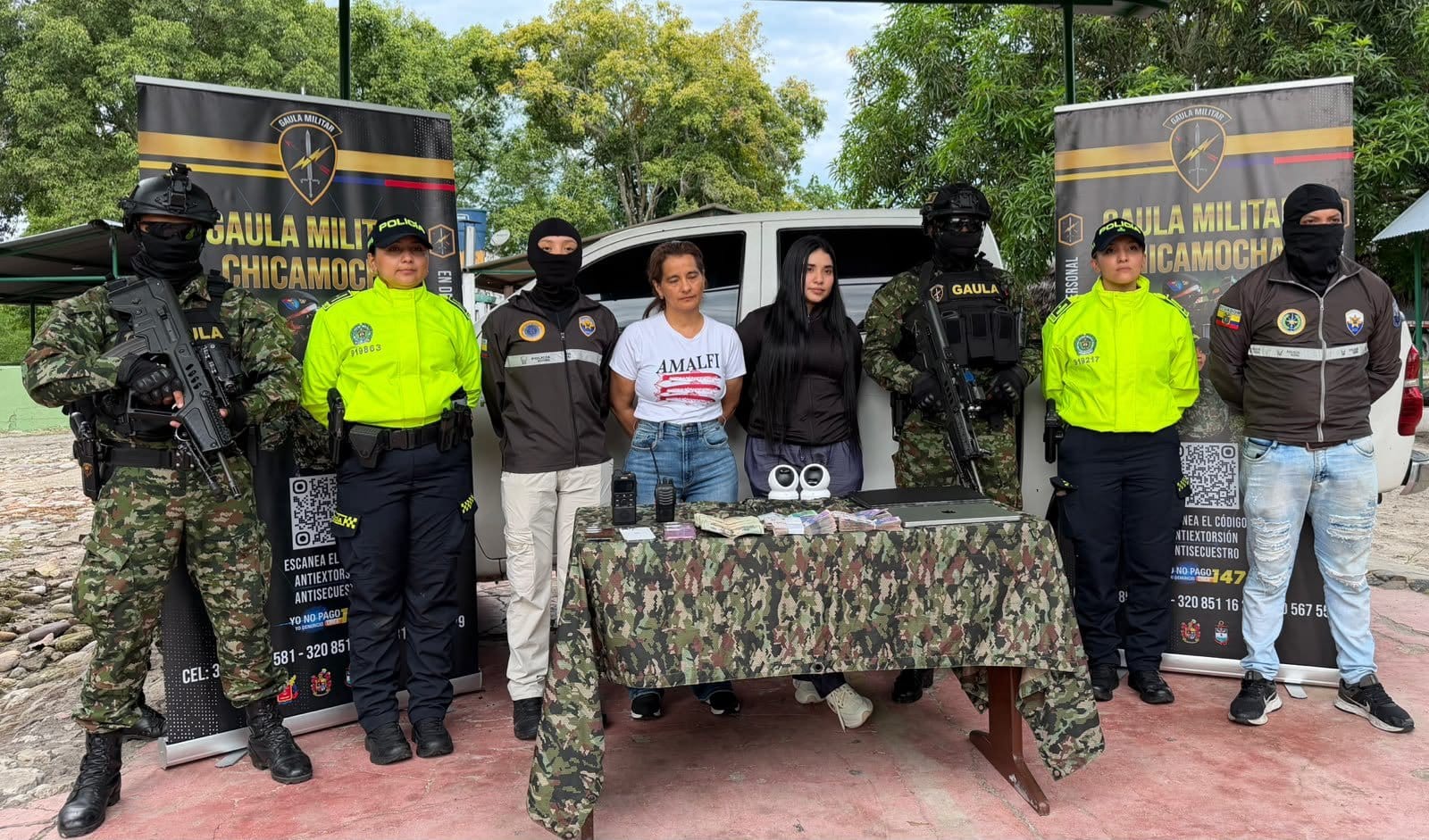
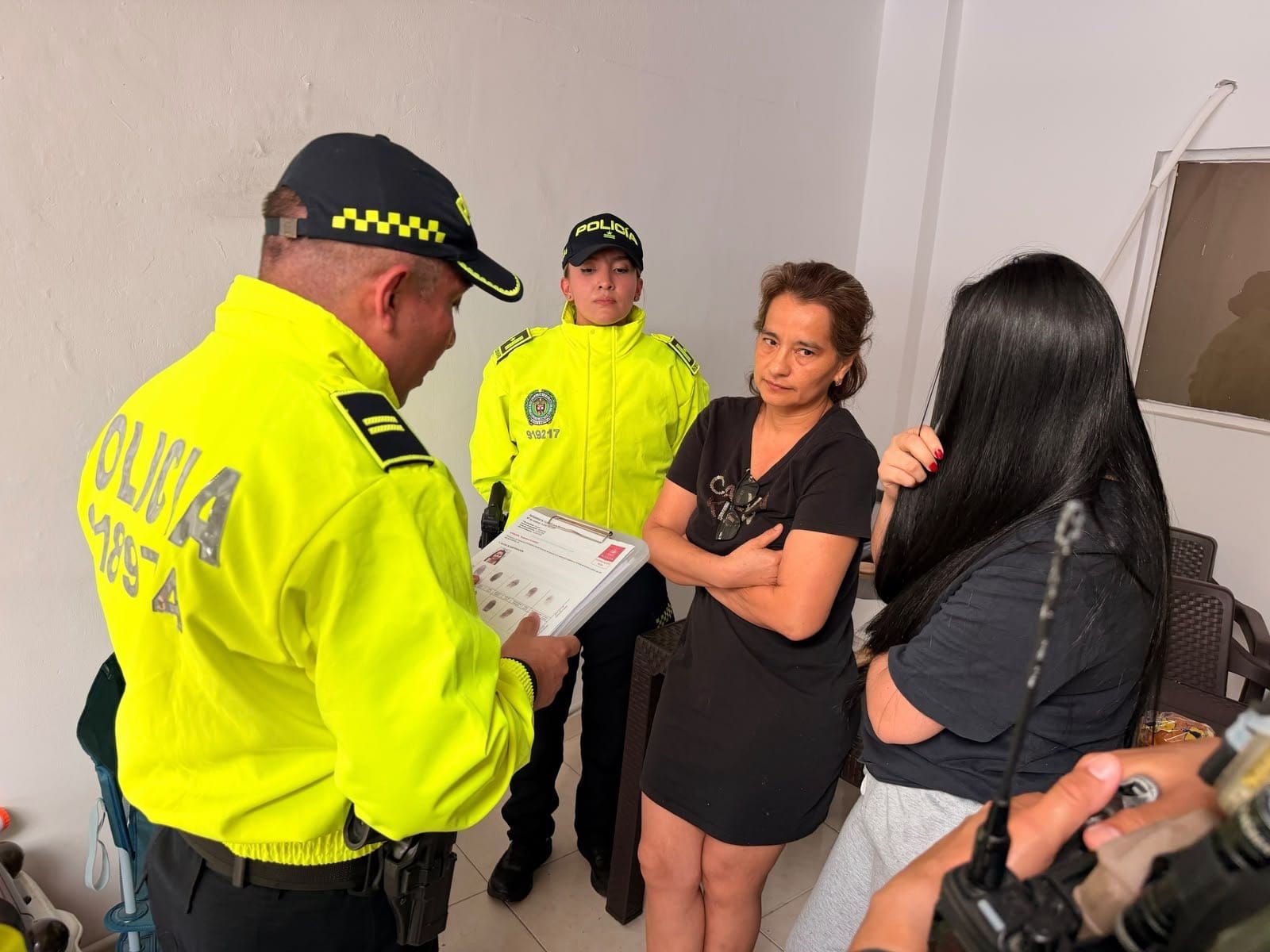
COLOMBIA — Colombian authorities arrested the wife and daughter of Ecuadorian gang leader José Adolfo Macías Villamar, alias “Fito,” on September 27, 2026, capturing the two women in Sabana de Torres, a farming town in the northeastern department of Santander, on Interpol red notices tied to a sweeping money-laundering investigation.
Colombian police detained Inda Mariela Peñarrieta Tuárez, Fito’s wife, and Michelle Jamileth Macías Peñarrieta, his daughter. Both had been wanted in Ecuador since Interpol issued red notices against them in June 2026.
Ecuador’s Interior Minister John Reimberg described the pair as “high-value targets” who had been evading capture as fugitives.

The “Blanqueo Fito” Case
The arrests stem from what Ecuadorian prosecutors have dubbed the “Blanqueo Fito” case, a money-laundering investigation involving an estimated $25 million allegedly tied to Los Choneros, the gang Fito once led.
Investigators allege Peñarrieta accumulated $1.3 million in unexplained income over a five-year period. Her daughter is accused of receiving $435,900 while claiming the funds came from a perfume-sales business.
Ecuadorian authorities allege the family used shell companies to move and disguise money generated by the organization.
Footage from security officials following the apprehension of Inda Mariela Peñarrieta Tuárez, wife, and Michelle Jamileth Macías Peñarrieta, daughter of alias “Fito” in the Santander department during a joint operation between the Ecuadorian Police, with support from the Colombian police and Armed Forces as well as the FBI. Credit: X
The case underscores how Ecuador’s anti-gang crackdown has widened well beyond Fito himself, reaching into the financial networks that sustained Los Choneros’ operations even after its leader was behind bars.
Colombian President Abelardo de la Espriella confirmed the arrests personally, pledging to extradite both women to Ecuador. “I will send them with pleasure to my good friend, President Daniel Noboa, so that they answer to Ecuadorian justice,” de la Espriella said, signaling continued cross-border cooperation between the two governments on organized-crime enforcement.
“Fito’s” daughter, Michelle Jamileth Macías Peñarrieta, showcasing USDollars on TikTok. Source: @narcoblogger/X
The detentions also illustrate a pattern regional security officials have flagged repeatedly in recent years: the lifestyles of relatives connected to major traffickers often outpace any legitimate income, drawing prosecutorial scrutiny long after the principal figure has already been jailed or extradited. Neither woman has been convicted; both now face extradition proceedings to answer the laundering allegations in Ecuadorian courts.
Background: The “Fito” Story
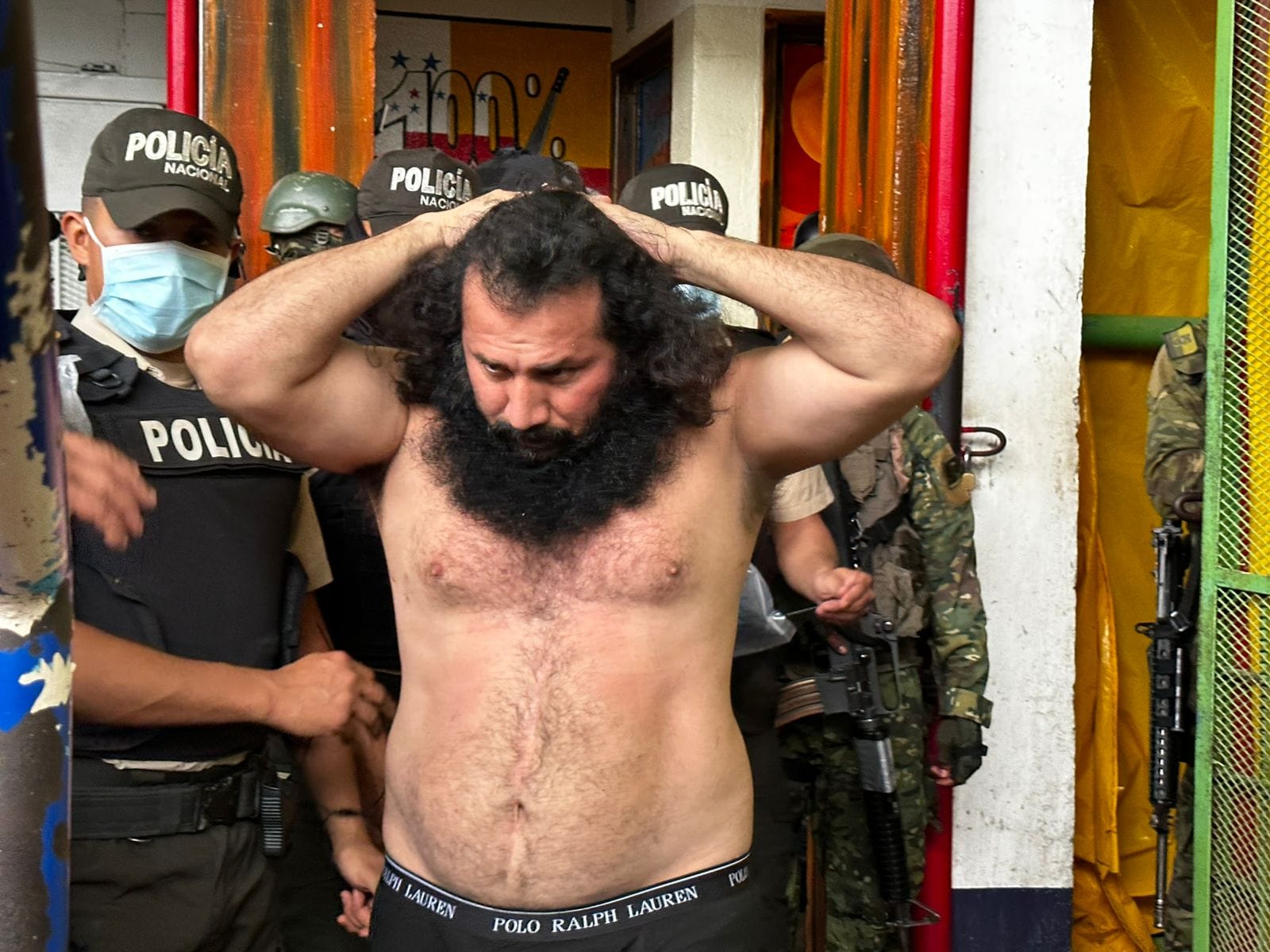
“Fito” led Los Choneros, long considered Ecuador's most powerful criminal organization, a gang with deep links to Mexican and Colombian trafficking networks that turned Ecuador’s ports into a major transit point for cocaine bound for the U.S. and Europe. His influence extended from inside prison walls, where he continued to run operations even while incarcerated, until his January 2024 escape from Guayaquil’s Litoral Penitentiary plunged the country into chaos — prompting then-President Daniel Noboa to declare an “internal armed conflict” against Ecuador’s gangs and setting off a nationwide manhunt.
His recapture, six months later inside an underground bunker in Manta, and subsequent extradition to the United States marked one of the most significant blows dealt to Latin American organized crime in recent years — removing a figure who had come to symbolize the reach of transnational gangs into state institutions.
After agreeing to extradition on July 11, 2025, he was handed over to U.S. authorities on July 20, 2025. He is now in American custody facing trial in a New York federal court, where a grand jury indicted him in April 2025 on seven counts including international cocaine trafficking, weapons trafficking, and drug distribution conspiracy charges.
The arrests of his wife and daughter mark one of the most significant developments in the case since his extradition, suggesting investigators on both sides of the Colombia-Ecuador border are continuing to unravel the financial infrastructure that supported Los Choneros’ rise.