


MEXICO — Mexican military and federal forces captured Epifanio N., alias “El Pepa” or “Pepa,” a regional plaza boss for the criminal group La Línea, in a precision operation in Chihuahua on Tuesday, September 8 — an arrest U.S. Ambassador to Mexico Ronald Johnson publicly credited to direct intelligence-sharing between American and Mexican authorities.
What We Know
Personnel from the Mexican Army and National Guard, working in coordination with the Secretariat of Security and Civilian Protection and the Attorney General’s Office (FGR), detained Epifanio N. in the municipality of Manuel Ojinaga, in the Manuel Benavides-Ojinaga area of Chihuahua, near the U.S. border. The suspect’s son, Alejandro N., was also arrested alongside him in the same operation.
According to Mexico’s Security Cabinet and separate statements from the XI Military Region and 5th Military Zone, the operation resulted from a combination of Mexican military intelligence work and information-sharing with U.S. authorities, including the U.S. Department of Justice through the U.S. Marshals Service.
During the raid, authorities seized one property, five firearms, 16 magazines, 400 rounds of ammunition, and two vehicles.
Both detainees were turned over to the Attorney General’s Office in the city of Chihuahua for further proceedings.
Who “El Pepa” Is
Federal authorities identified Epifanio N. as the plaza boss of La Línea in the Ojinaga area, a faction aligned with the Nuevo Cártel de Juárez.
Investigators attribute to him responsibility for coordinating drug production and trafficking, as well as migrant smuggling networks running from Mexico’s border into the United States. He is also alleged to maintain direct ties to Sergio Pedro N., alias “El Checo,” identified as La Línea’s regional leader.
Epifanio N. carried a provisional detention order with extradition purposes to the United States on drug trafficking charges.
The U.S. Ambassador’s Public Statement
Ambassador Johnson took to social media to publicly celebrate the arrest as a direct product of bilateral cooperation.
“Information shared. Action taken. Mexican authorities detained Epifanio “N,” alias “Pepa,” as a result of information [shared] with United States authorities and Mexican military intelligence work,” Johnson wrote.
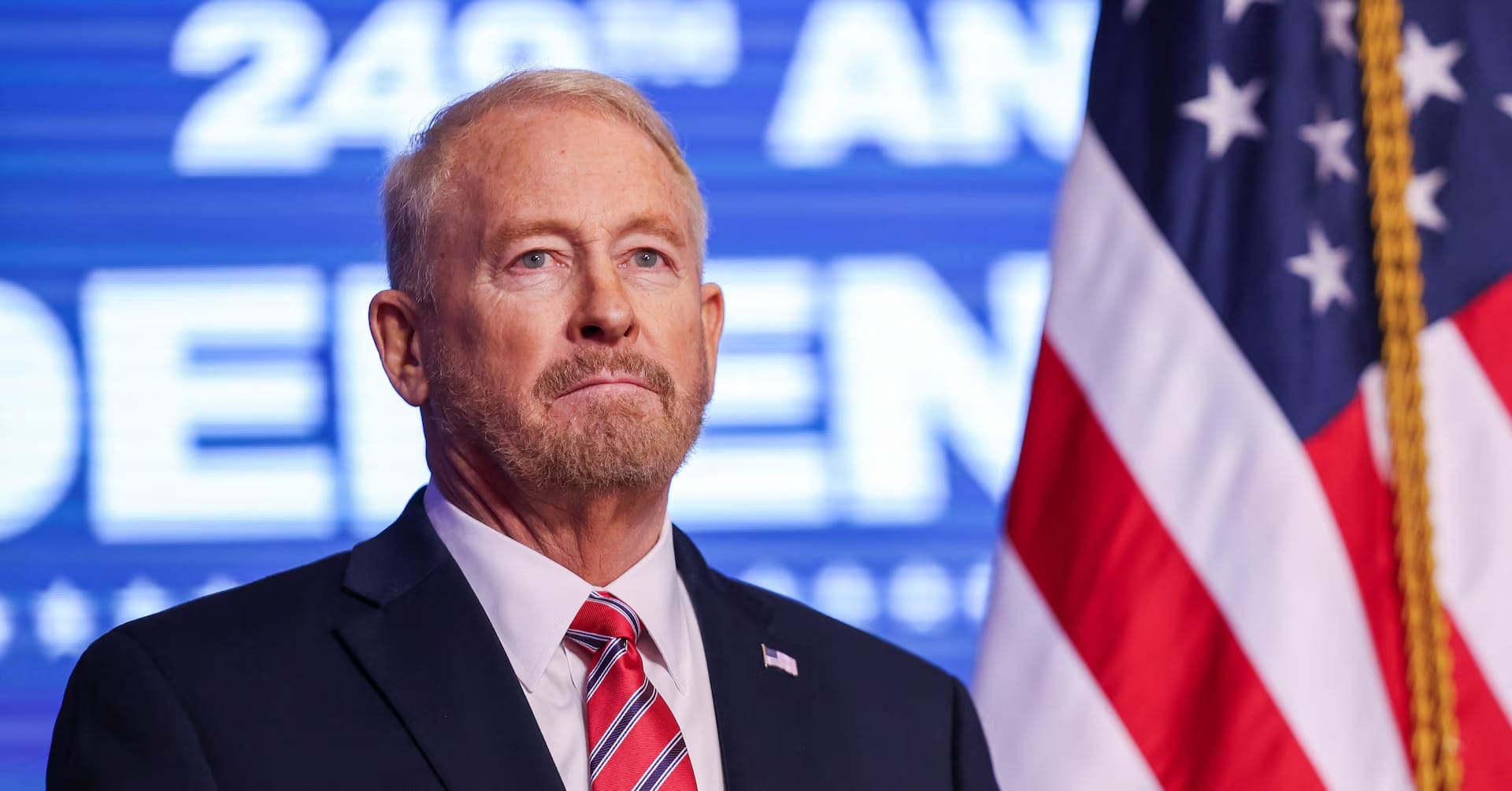
The ambassador specified that the shared information helped authorities locate “El Pepa” in Chihuahua, and highlighted that the detainee carries a provisional detention order for extradition to the United States on narco-trafficking charges.
A Region With a History of Violence
Northeastern Chihuahua — the area encompassing Ojinaga and neighboring municipalities including Aldama and Manuel Benavides — has been identified by state authorities in prior years as a corridor used by criminal organizations for migrant trafficking.
Competition over control of trafficking routes in this region has previously produced violent confrontations; in 2025, clashes attributed to the ongoing dispute between La Línea and a rival group known as “Los Cabrera” were recorded in municipalities including Aldama, Camargo, and Ojinaga.
U.S.-Mexico Security Cooperation
The capture fits within a pattern of increasingly public, jointly credited security operations between Washington and Mexico City throughout 2026.
Both governments have used similar operations in recent months to showcase intelligence-sharing arrangements explicitly, with U.S. officials — including Ambassador Johnson himself and Secretary of State Marco Rubio — regularly highlighting specific captures as evidence of functioning bilateral cooperation, even as Mexican officials, including President Claudia Sheinbaum, have continued emphasizing that such cooperation operates on a basis of “coordination without subordination” rather than U.S. direction of Mexican operations.
With Epifanio N. now in Mexican federal custody and an extradition request from the United States already in place, attention turns to how quickly Mexican judicial authorities process his case and whether an eventual transfer to U.S. custody follows.
Given his alleged direct ties to La Línea’s broader regional leadership structure, authorities on both sides of the border are likely to continue monitoring whether his capture produces further intelligence leads against the group’s remaining leadership, including alias “El Checo,” or whether the group’s Ojinaga-area operations are simply absorbed by a successor within the same criminal structure.