


LIMA, PERU — President Keiko Fujimori announced on Wednesday a Unified Command that will integrate the Armed Forces and the National Police in an offensive against organized crime. Fujimori promised joint operations, tighter control of prisons and a faster state response to extortion and violence.
“We are no longer going to wait,” she said October 7 at Army headquarters in San Borja.
Fujimori made the announcement at the presentation of the Combined Forces for the Fight Against Organized Crime, after the National Security and Defense Council agreed to the change, Andina reported. The force totals 1,350 personnel from both institutions, according to Andina and El Peruano. The breakdown consists of 500 Army, 250 Air Force, 200 Navy, 80 Joint Special Forces and 320 specialized police.
Fujimori tied the decision to Article 44 of the Constitution, which makes protecting the population from security threats a primary duty of the state.
“The fight against crime has no ideology or political color,” she said, and called for “an end to indecision, indifference and ineffectiveness.”
Joint Structure
The command rests on three pieces. A control and operations center at Army headquarters will direct actions against crime. An elite group of police and military personnel will carry out search-and-capture operations. “We are going to appear where you least imagine,” Fujimori said. A Special Commission Against Crime in the executive branch will coordinate ministries and public and private institutions.
The commission’s named participants are the Financial Intelligence Unit, the National Intelligence Directorate, the telecom regulator Osiptel and telecommunications companies. Including the phone sector and financial intelligence suggests a focus on the communications and money flows behind extortion networks.
The government has not published an operational plan confirming that.
Retaking the Prisons
Prisons are a central target. President Fujimori said the state will resume control of penitentiaries and cut off communication for inmates who keep directing crimes from inside. The plans also promised to build three or four additional prison wings quickly.
The command builds on measures already underway. A 60-day state of emergency covers five high-risk prisons: Challapalca, Cochamarca, Miguel Castro Castro, Ancón I and Trujillo’s El Milagro.
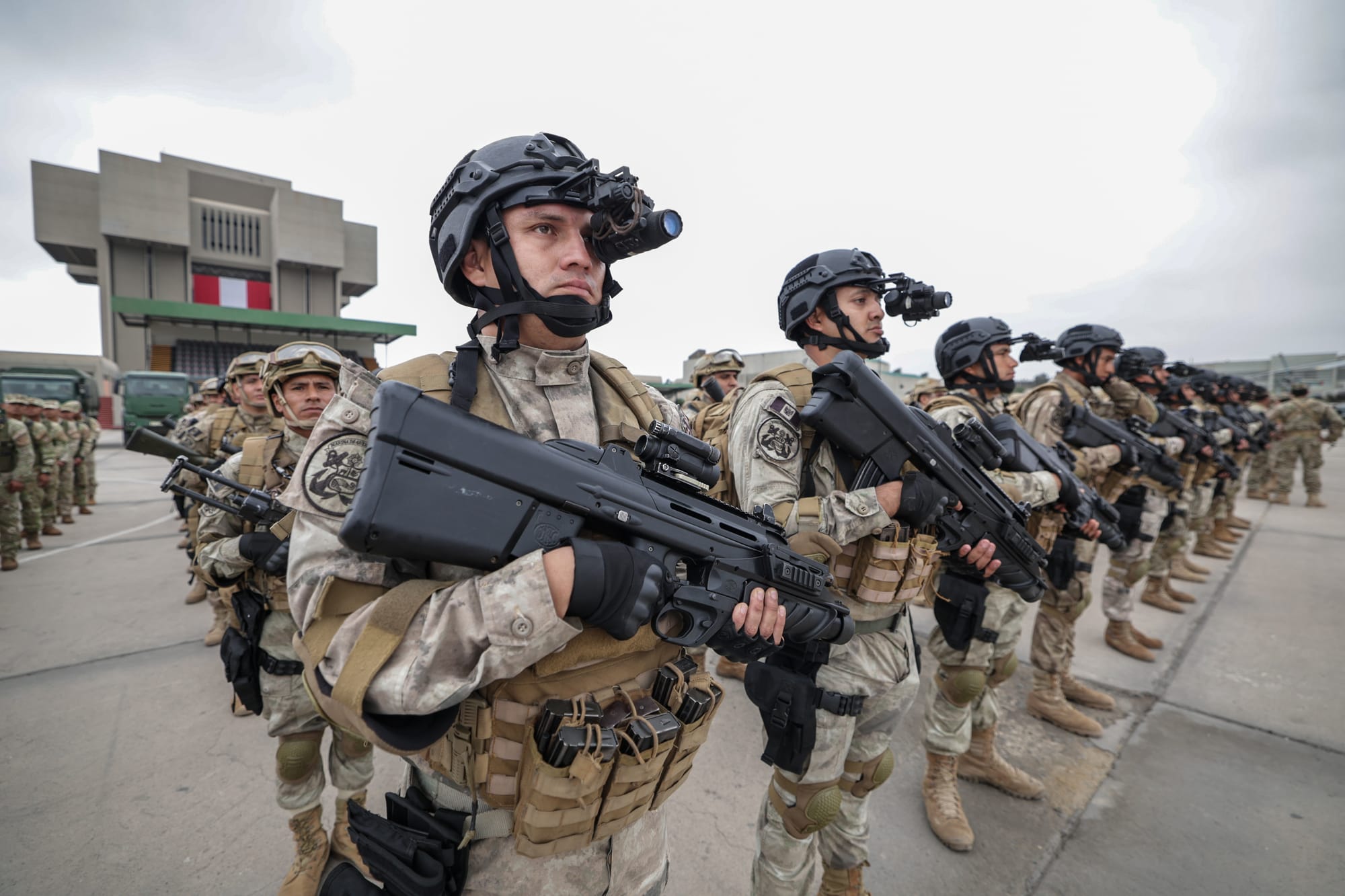
Under Supreme Decree 128-2026-PCM, the Armed Forces support the police in protecting the exterior perimeter within a 200-meter radius. The Army is deployed at El Milagro and Miguel Castro Castro, and the Navy at Ancón I. The Defense Ministry sent millimeter-wave, metal-detector and X-ray equipment to Trujillo.
Expelling Foreign Offenders
Fujimori said the government will expel “in record time” foreigners who “came to break the law and attack Peruvians.” No legal mechanism, target number or deadline has been announced. Any change to visa or residency rules would have to come from the migration agency, Migraciones.
On August 28 the government declared a 60-day state of emergency in Lima and neighboring Callao. Under that decree the National Police keep control of internal order and the Armed Forces support them. The decree also called for a Unified Operational Coordination Command chaired by the police commander general. Whether the new command replaces, absorbs or sits alongside that body has not been explained.
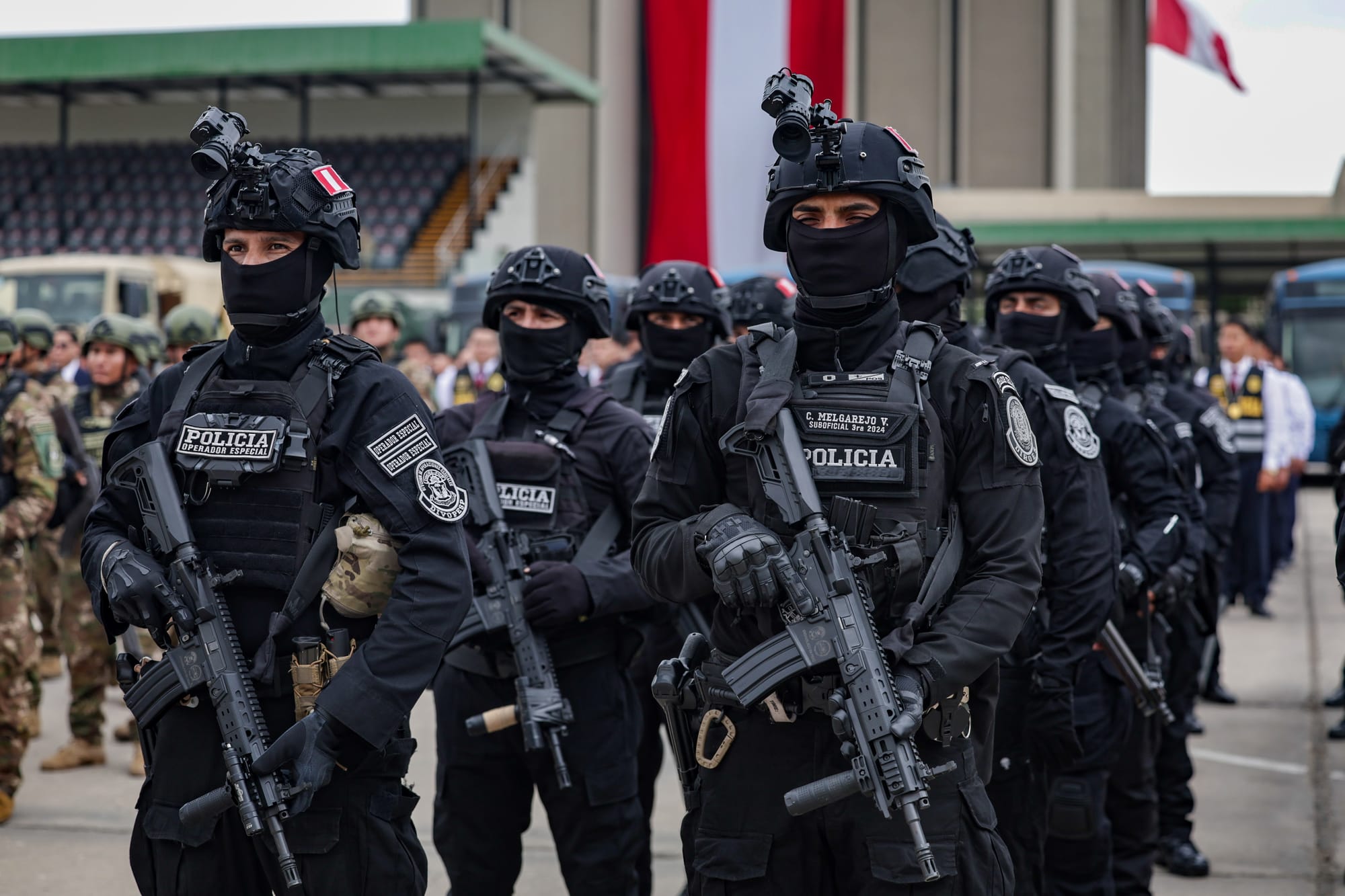
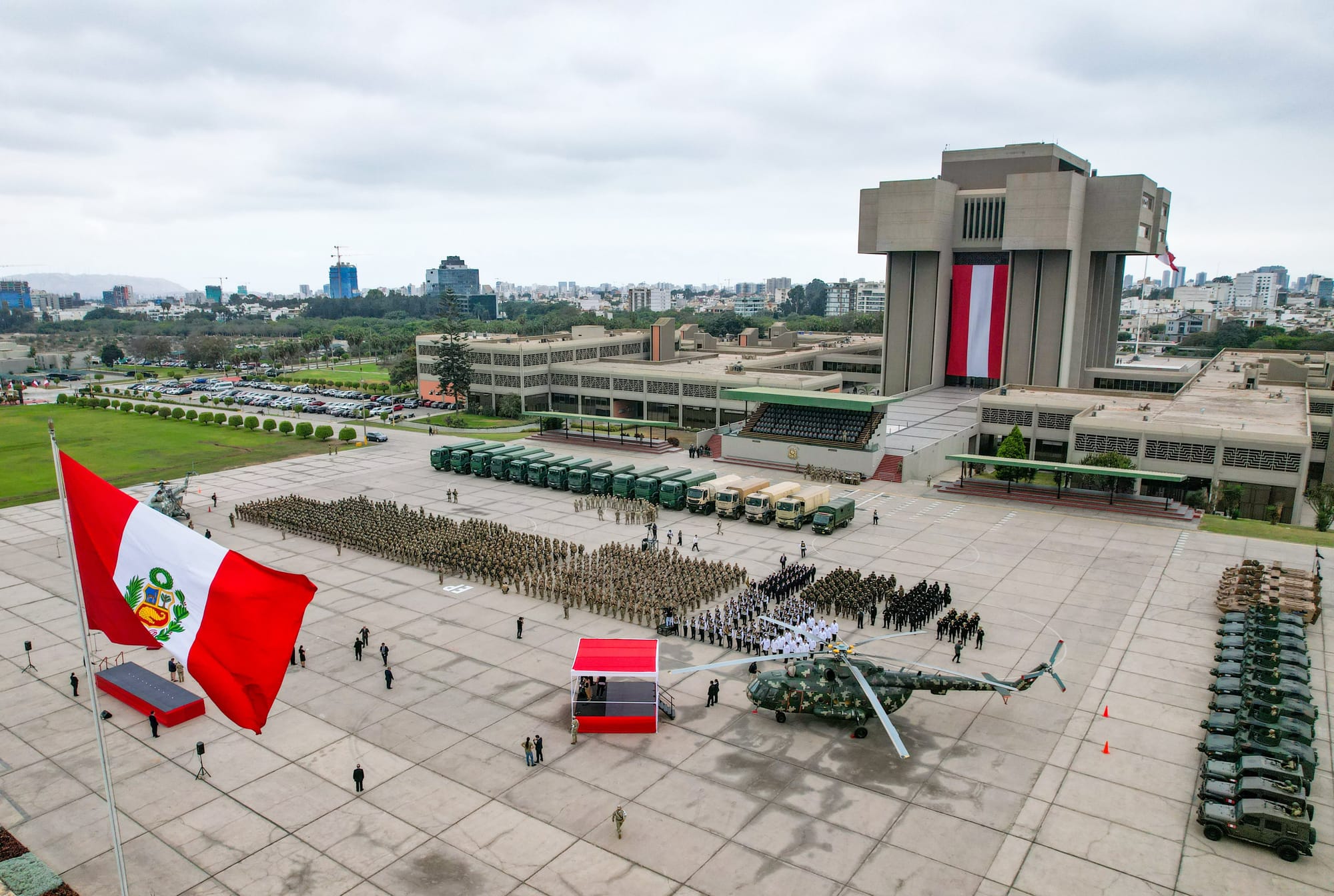
The command arrives as violence persists. The national death registry (SINADEF) recorded 180 homicides from July 28 to August 30, about 74% of them by firearm, according to analyst Juan Carbajal, cited by El Búho.
The data was still being updated. Kidnapping complaints have averaged 428 a month in 2026, up from 410 in 2025, according to Public Ministry data cited by the same analyst.
Fujimori said Peruvians leave home each day fearing extortion or death, and that citizens are disappointed that authorities have done little against crime over the past 26 years.
Fujimori said she expects the forces to act with “professionalism, legality, discipline, discretion and respect for democracy and human rights.”
The government has said it expects results by 2027 if Congress grants it the legislative powers it has requested. Fujimori also plans to travel to El Salvador from October 28 to 31 to meet President Nayib Bukele, whose anti-gang strategy she has praised.
The command’s success will depend on whether the announcement gets a legal framework, a leader and measurable targets.
Crime and security were among the most important issues for voters in the June presidential runoff.
La presidenta Keiko Fujimori anunció la creación de un Comando Unificado que integrará las capacidades de las Fuerzas Armadas y la Policía Nacional para enfrentar con mayor fuerza al crimen organizado.
— Presidencia del Perú 🇵🇪 (@presidenciaperu) October 9, 2026
Esta decisión permitirá ejecutar operaciones conjuntas, reforzar el control… pic.twitter.com/VXy4vhnpCE