


GUATEMALA CITY — A video circulating across Central America shows a motorcycle robber firing at a driver stuck in morning traffic in Guatemala City’s zone 7. The driver survived without a scratch, but the attack is a harsh reminder that street crime remains a daily risk in the capital, and that criminals remain brazen in their attempts even as national homicide numbers edge down.
The incident occurred Friday, October 23, at 7th Avenue and 9th Street in zone 7 in the nation’s capital of Guatemala City. That is the area where the Quinta Samayoa and Landívar neighborhoods meet.
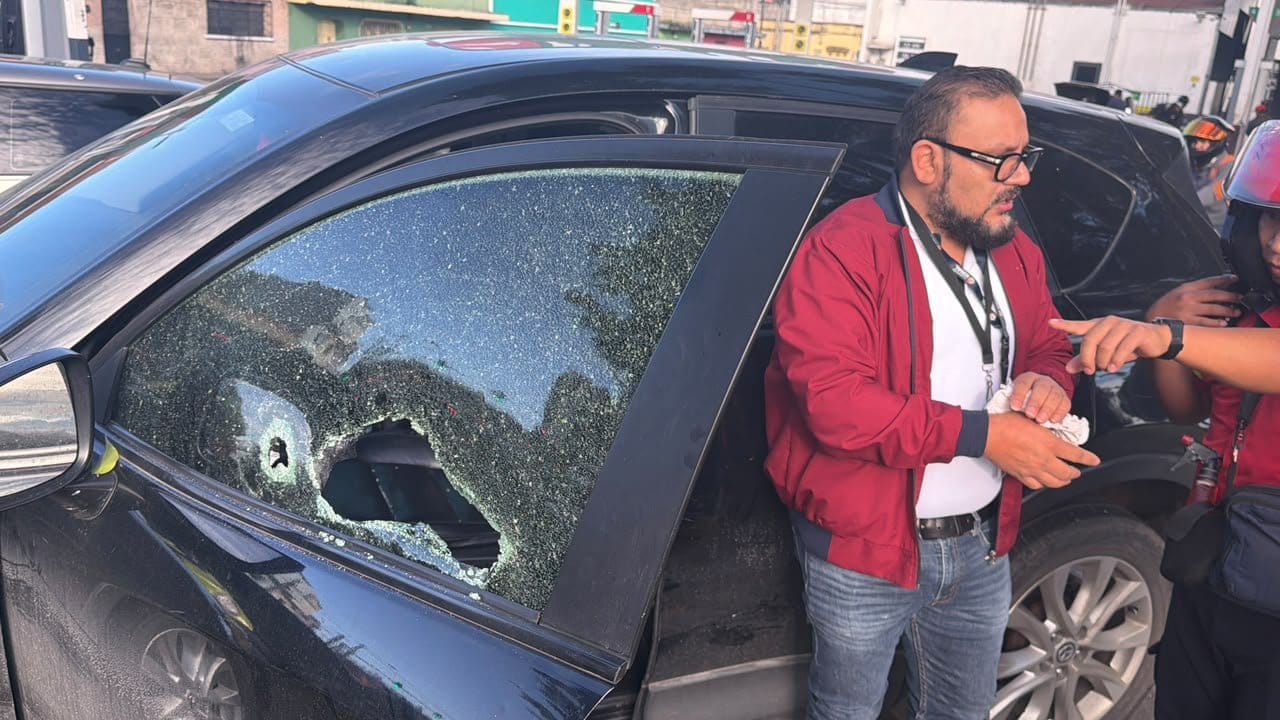
Local outlets published the video that same morning as the video spread throughout social media. A driver in a stopped car is approached by two helmeted robbers on a motorcycle. When the driver does not hand over his belongings, the attacker fires into the air twice and then a third shot, shattering the driver’s window,while other motorists sit trapped in the jam.
The victim, a 49-year-old man, was unharmed, according to Soy502 and Publinews. Bomberos Municipales treated him for a nervous crisis at the scene. Police cordoned off the area and recovered shell casings for the Ministerio Público’s investigation. The attackers fled between the stopped cars.
No arrests had been reported as of Friday.
Zone 7 is one of five capital zones that account for most of the city’s killings. CIEN, the research arm of the Citizen Security Coalition, found that zones 18, 6, 7, 1 and 12 accounted for 61% of homicides in the municipality of Guatemala through July. Reports indicate that the night before the attack, violence across the capital left at least two dead and six injured, mostly in zone 18.
Is Violence Falling?
The numbers point down, with caveats. CIEN counted 1,751 homicides from January through July 2026, about 6% fewer than the same period of 2025. That works out to 16.46 per 100,000 inhabitants.
In the first quarter the drop was steeper, roughly 21%, with 615 homicides, the second-lowest first-quarter total since 2019.
The gap has been narrowing. June 2026 was the first month of the year with more killings than the same month in 2025, and July’s total was higher by 40.
Diálogos’ violence observatory, using National Civil Police data, put the national rate at 16.6 per 100,000 in August, 5.6% below 2025.
The Interior Ministry cited a 5.9% reduction and said it cannot yet conclude 2026 will end with an annual increase.
Context matters, too. Guatemala recorded 3,139 homicides in 2025, up from 2,869 in 2024. The Diálogos analysis shows homicides fell from 2015 through 2020, then rose and have stayed roughly flat since 2022. The 2020 low coincided with pandemic curfews.
A business-sector proposal presented this month at the Enade forum would cut the rate to below eight per 100,000 by 2036.
Government Response
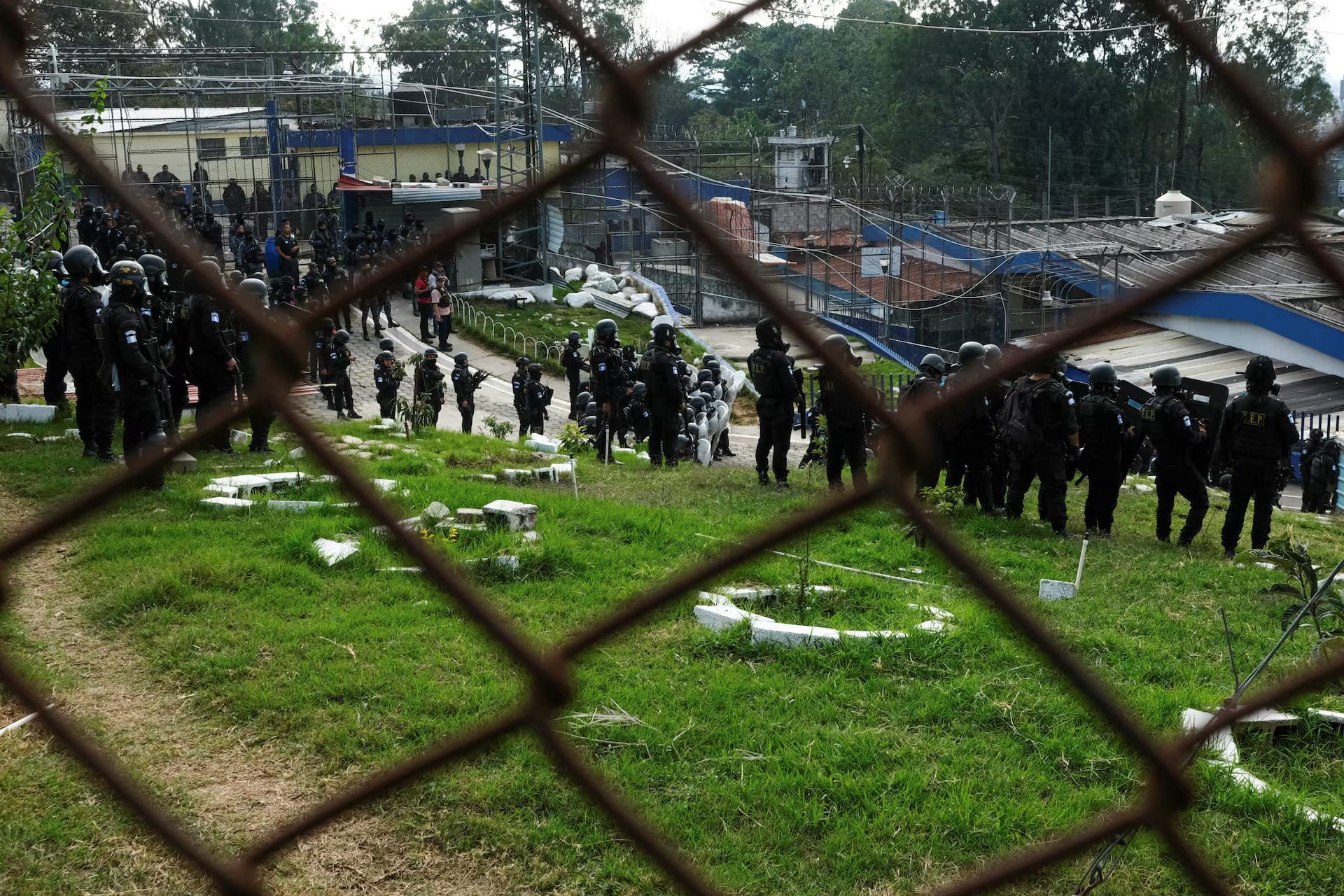
President Bernardo Arévalo declared a nationwide state of siege on January 19 after gang inmates took over three prisons, held more than 40 guards hostage and were blamed for attacks that killed police officers. Authorities retook the prisons.
Guatemala and the United States have designated Barrio 18 and MS-13 as terrorist organizations.
On February 15, Arévalo ended the emergency and moved to a less restrictive state of prevention. He cited 83 arrests of “highly dangerous” gang members, a 33% drop in extortion and a 49% drop in homicides, calling the results “resounding,” according to TRT World.
The outlet did not verify those claims.
Police also run patrol operations in the capital and Escuintla.
The data supports part of that picture. Extortion complaints fell to 10,005 through July from 16,427 a year earlier, per CIEN. Homicides, however, fell about 6% through July, well short of 49%. Street crime such as the Friday attack falls outside those headline measures.
CIEN found that 59% of victims were between 18 and 35, and that a concentration of cases persists in ten of the country’s 22 departments.