


BOGOTÁ — Colombia’s National Federation of Coffee Growers (Fedecafé) has signed a new agreement with the All Japan Coffee Association aimed at boosting sales of Colombian coffee in one of the country’s most important overseas markets.
The pact reinforces a commercial relationship between the two countries that has spanned more than six decades, dating back to Fedecafé’s first Tokyo office in the early 1960s.
Strengthening Partnerships
The agreement is less about opening a new market than deepening an already mature one. Japan ranks as Fedecafé’s second most important direct sales market and among the top five overall destinations for Colombian coffee exports, trailing only larger markets like the United States, Europe, and Canada.
According to the federation, the deal is meant to consolidate Colombian coffee’s presence in Japan, advance opportunities in premium and specialty segments, and open new business channels for Colombian growers.
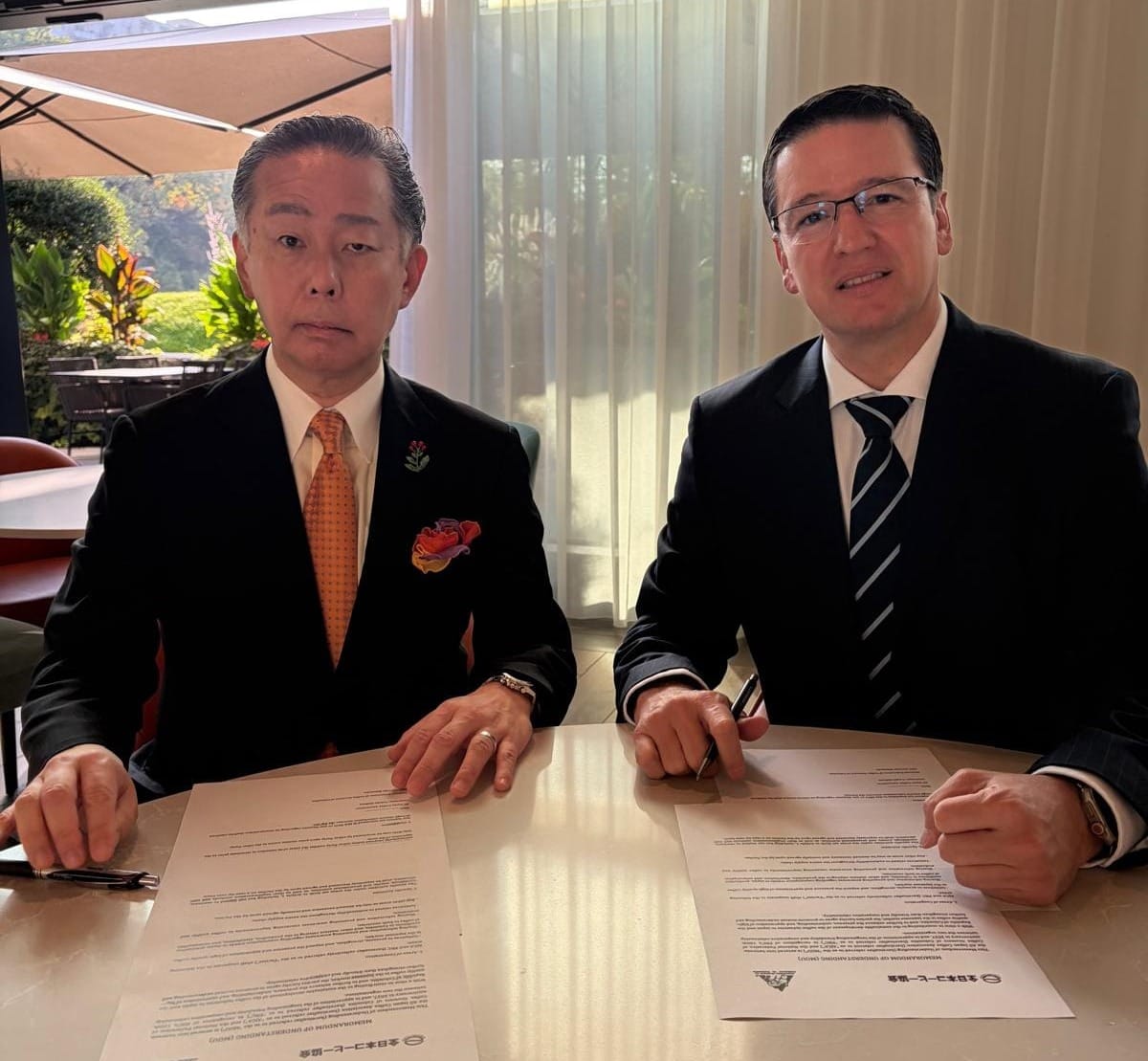
The timing matters. Colombia’s coffee sector has faced a difficult stretch, with production and export volumes both declining amid weather-related disruptions to the harvest cycle. Even so, the country continues to ship roughly 12.8 million sacks of coffee abroad annually, and Fedecafé appears to be leaning into its most reliable long-term partnerships rather than chasing new ones during a period of tighter supply.
A Six-Decade Relationship Built on Quality
The Japan-Colombia coffee relationship has grown substantially since it began. Export volumes to Japan expanded from roughly 41,000 sacks in the early years of the partnership to close to a million sacks annually in more recent decades — a trajectory built in part on Colombia’s reputation for quality rather than sheer volume.
One landmark moment came in 1989 with the launch of “Emerald Mountain,” a premium Colombian coffee brand developed for the Japanese market that remains a fixture in both specialty coffee shops and Japan’s canned coffee industry.
Fedecafé has also invested directly in the relationship beyond sales, running quality training programs for more than 200 Japanese coffee and beverage industry professionals over the years — an effort to embed Colombian coffee’s reputation for quality directly into how Japanese roasters and blenders think about sourcing.
For Colombian growers, the renewed agreement signals continuity rather than disruption at a moment when the sector needs stability. Japan’s coffee market, known for prioritizing quality and consistency over price, offers Colombian producers a buyer willing to pay a premium — a valuable cushion as the country’s coffee sector navigates a tighter production cycle heading into 2026. Whether the new agreement translates into higher export volumes to Japan specifically will likely become clearer as the current harvest cycle plays out.