

MIAMI — Florida voters went to the polls this Tuesday, in the state’s first primary conducted under its newly redrawn congressional map — producing a closely watched governor’s race matchup, a genuine upset in the U.S. Senate special election, and a series of high-stakes South Florida congressional primaries reshaped by redistricting.
Governor
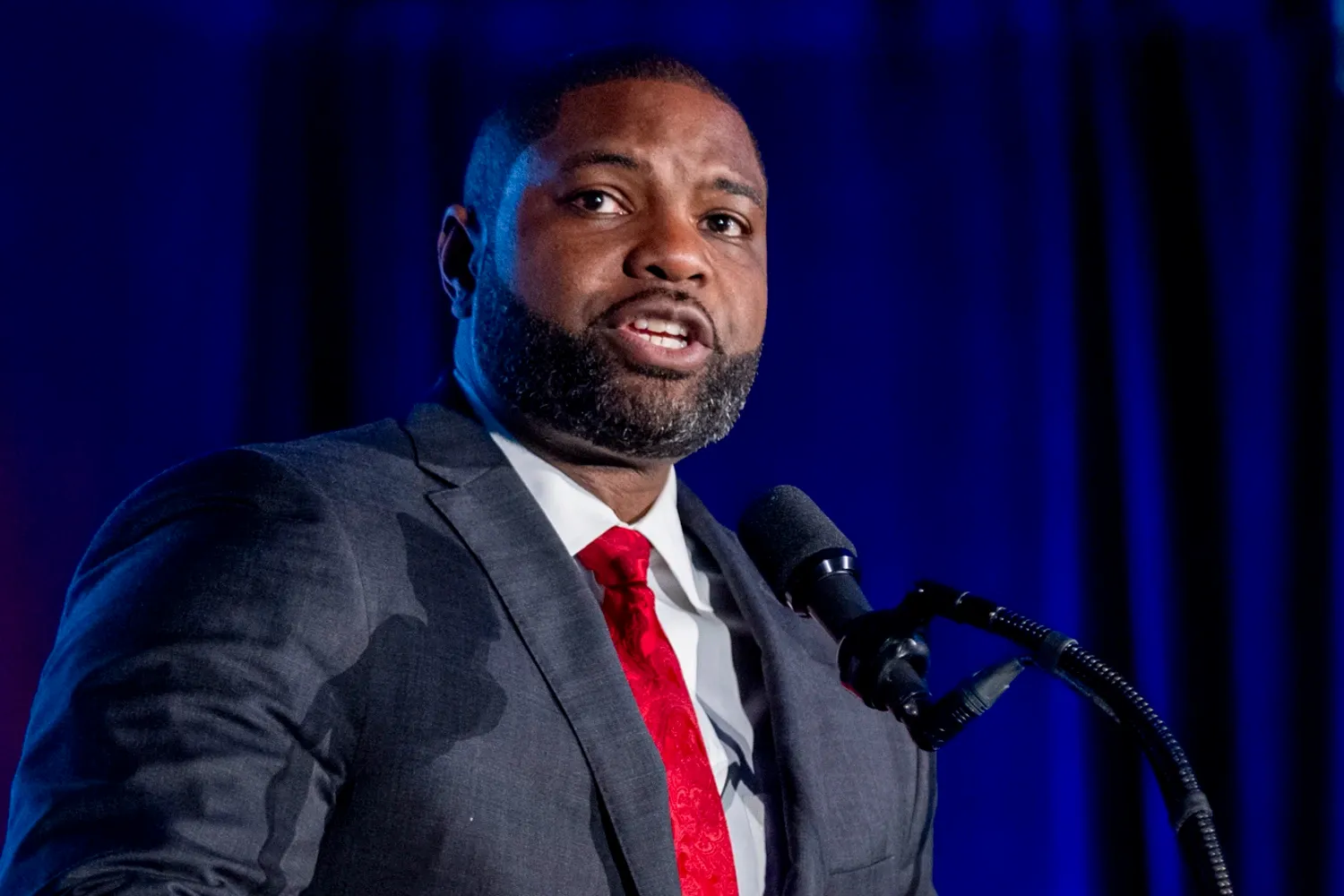
Republican U.S. Representative Byron Donalds won his party’s nomination for governor with 48% of the vote, comfortably outdistancing a crowded field that included Lieutenant Governor Jay Collins (25%), investor James Fishback (10%), and former House Speaker Paul Renner (9%), with 99.2% of precincts reporting.
Donalds, first elected to Congress in 2020 to represent the Naples-Fort Myers area, ran with President Trump’s endorsement and campaigned as a longtime “Make America Great Again” aligned member of the House Freedom Caucus.
Fishback drew separate controversy during the race over his association with Nick Fuentes and use of racial and sexist language.
On the Democratic side, former Republican Congressman-turned-Democrat David Jolly won his party’s nomination decisively, taking 61% of the vote against a field that included Dayna Foster (15%), Dotie Joseph (10%), Evelyn Castillo-Bach (8%), Thomas Fernandez (4%), and Stephann Norman (3%).
Jolly and Donalds now advance to a November general election to succeed term-limited Governor Ron DeSantis, confirming a matchup that polling had forecast for months.
Ahead of the race, a University of North Florida poll had shown Donalds locked in an effectively tied contest with a potential primary challenge from Casey DeSantis, the governor’s wife, before she ultimately did not enter the race — a decision that helped clear Donalds’s path to Tuesday’s win.
U.S. Senate (Special Election)
The night’s most significant upset came in the Democratic primary for the U.S. Senate seat vacated by Marco Rubio when he became Secretary of State.
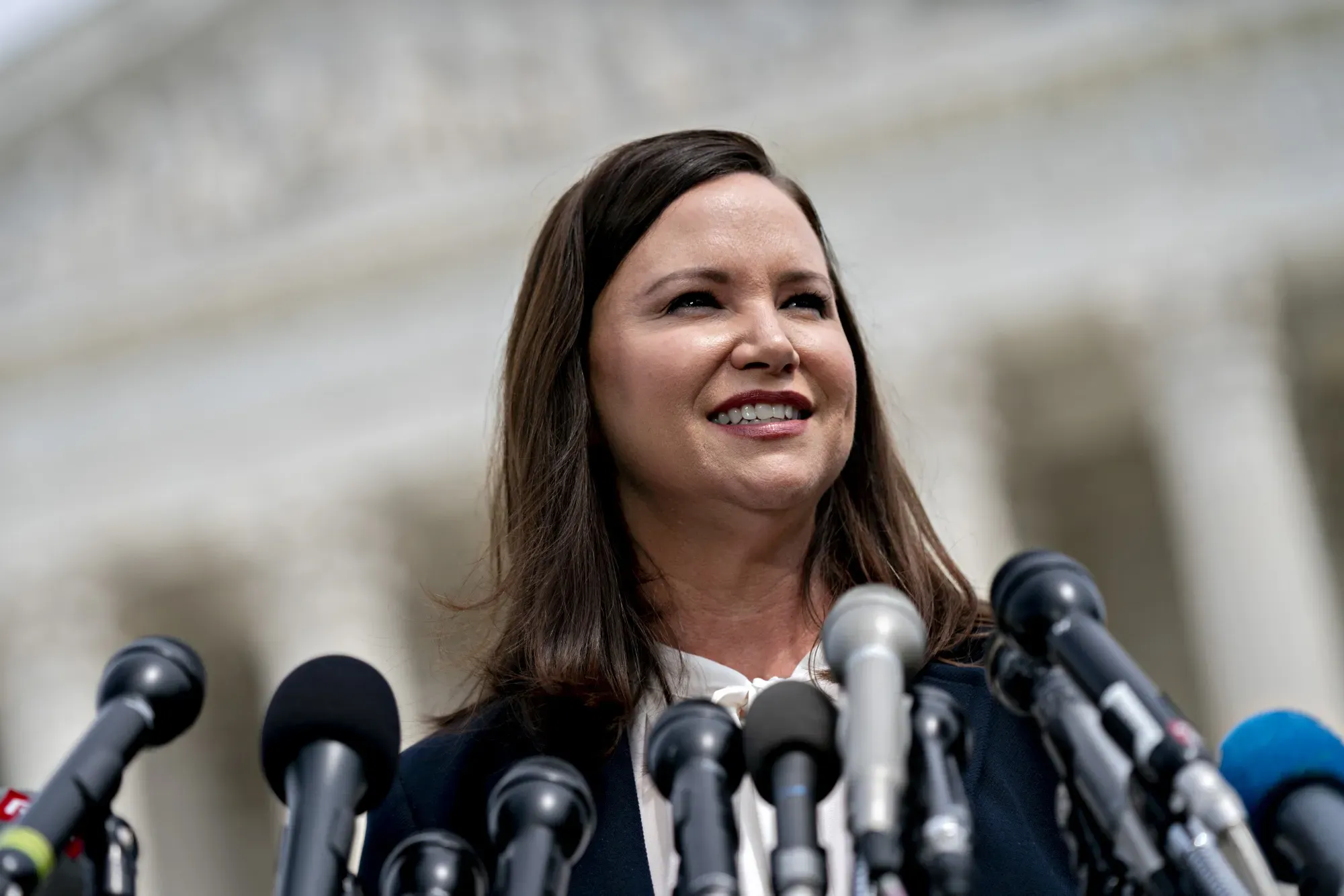
Florida State Representative Angie Nixon, who joined the Democratic Socialists of America weeks before the election, defeated retired Army Lieutenant Colonel and former National Security Council official Alexander Vindman — a far better-funded, nationally prominent candidate.
Nixon will face Republican Senator Ashley Moody, who was appointed to the seat and is seeking to hold it through a special election, in November for the final two years of Rubio’s term.
One Democratic strategist described the result to NBC News as potentially “a blessing in disguise” for the party, arguing Florida was unlikely to be competitive in the general election regardless of the Democratic nominee, and that Vindman’s loss would spare national donors from spending heavily on a race they were unlikely to win.
Florida’s 20th Congressional District
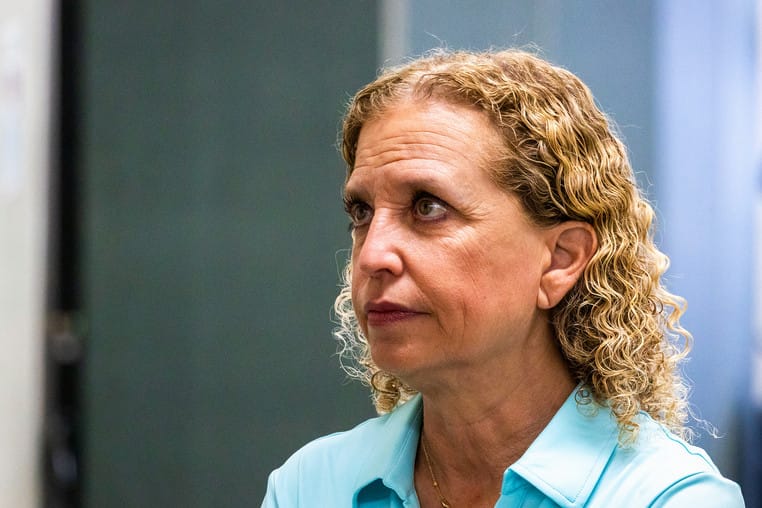
In one of the night’s most closely watched South Florida races, Representative Debbie Wasserman Schultz won the Democratic primary for the newly redrawn 20th District, a reliably blue Broward County seat that includes most of the county’s Black-majority precincts.
The Associated Press called the race just 24 minutes after polls closed, with Wasserman Schultz taking 50.5% of the vote against a field that included former Representative Sheila Cherfilus-McCormick, former Broward Mayor Dale Holness (21.1%), teacher and activist Elijah Manley (12.8%), and community activist and rapper Luther Campbell.
Wasserman Schultz’s move into District 20 was itself a direct consequence of redistricting: her previous district was redrawn to stretch from Miami Beach to Delray Beach in a configuration Ballotpedia projected would likely turn Republican, prompting her to run instead in the safely Democratic 20th — a seat that has been represented by Black lawmakers for 34 years, dating back to the late Alcee Hastings.
That decision drew notable discomfort in the district, which the Associated Press reported has sent Black Democrats to Congress continuously since 1992.
Wasserman Schultz addressed the tension directly in her victory speech: “The most important thing I can say is that I can commit to the people of District 20 to work every day to live up to the legacy of Alcee Hastings.”
On the Republican side, businessman Brent Andersen won his party’s primary, defeating Army veteran Rod Joseph, Navy veteran Carla Spalding, and Lateresa “LA” Jones; he will face Wasserman Schultz and independent candidate Kedner Maxime in November.
Florida’s 25th Congressional District
In the race we’ve covered closely in recent weeks, incumbent Democratic Representative Jared Moskowitz defeated DSA-backed challenger Oliver Larkin in the primary for Florida’s newly redrawn 25th District, which now stretches from Palm Beach County through Broward and into Miami-Dade.
The result followed a campaign that became a proxy fight over Israel policy, complete with a canceled Rashida Tlaib rally and dueling accusations of Islamophobia and antisemitism between the two camps in the race’s final days.
Moskowitz now advances to face former Boca Raton Mayor Scott Singer in November, in one of four Democratic-held Florida districts Republicans are seriously contesting this cycle.
Florida’s 24th Congressional District
In North Miami’s Democratic-leaning 24th District, being vacated by retiring Representative Frederica Wilson, former Miami Gardens Mayor and Miami-Dade County Commissioner Oliver Gilbert narrowly defeated state Senator Shevrin Jones in a closely contested primary; Jones conceded shortly after polls closed.
As the Democratic nominee in a heavily Democratic seat, Gilbert enters the general election as the heavy favorite to join Congress in January.
Florida’s 27th Congressional District
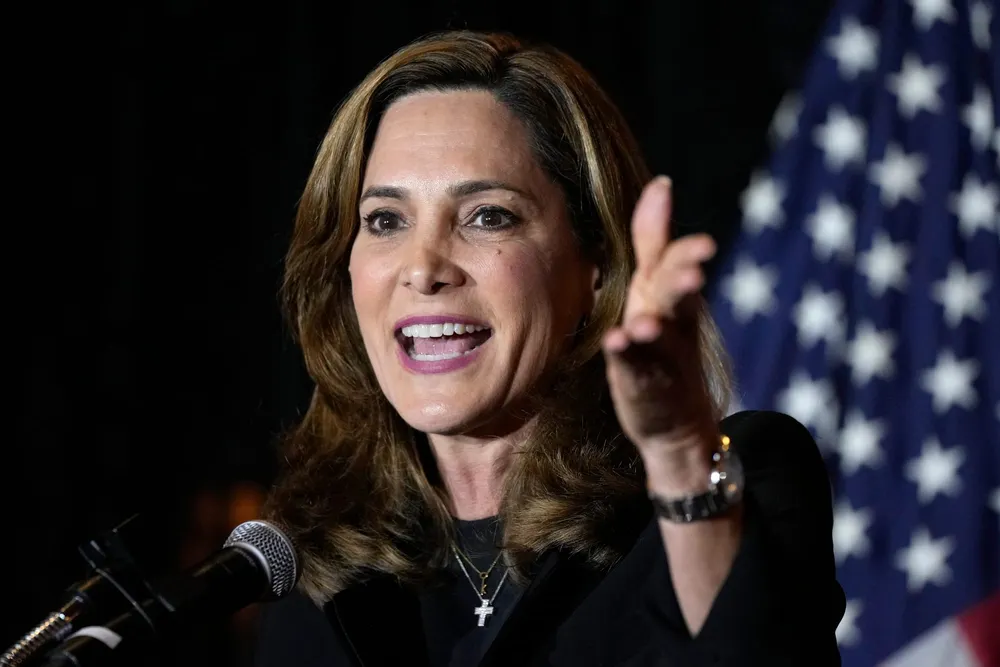
Incumbent Republican Representative Maria Elvira Salazar won her party’s primary in the Miami-Dade-based 27th District, which covers parts of the City of Miami, Coral Gables, Kendall, Key Biscayne, Pinecrest, and surrounding communities, setting up another term bid in November.
Democrat Eliott Rodriguez won the corresponding Democratic primary.
A Map Redrawn to Republican Advantage
Tuesday’s primaries were the first held under Florida’s new congressional map, signed into law by Governor DeSantis on May 4 after passing the state legislature in late April.
The redrawn map is projected to produce a 24-4 Republican-to-Democratic split among Florida’s 28 U.S. House seats — a significant shift that forced several incumbent Democrats, including Moskowitz and Wasserman Schultz, into altered districts and, in some cases, competitive primaries against each other or new challengers as a result of how their old territory was redistributed.
NBC News noted that beyond Wasserman Schultz’s win, two other Trump-backed Republican House candidates lost their primary bids elsewhere in the state Tuesday, underscoring that the night's results cut in more than one direction politically.
A Local Ballot Measure in Miami
Beyond the partisan contests, Miami voters also weighed in on a nonpartisan local matter Tuesday, approving a referendum on the restoration of the Miami Marine Stadium, the long-shuttered waterfront venue on Virginia Key that has been the subject of a preservation campaign for years.
Beyond the Marquee Races
Tuesday’s ballot also included a notable disruption unrelated to the results themselves: Palm Beach County Clerk of Court Michael Caruso was arrested early Tuesday on felony charges related to child sexual abuse and was subsequently suspended by DeSantis, adding an unexpected complication to election administration in one of the state's largest counties on primary day itself.
With both major-party nominations for governor now set, Donalds and Jolly head into a general election campaign that will determine who succeeds DeSantis in Florida’s governor's mansion, while Nixon’s underdog Senate campaign against Moody offers Florida Democrats a genuine, if longshot, test case for whether a Democratic Socialist candidate can be competitive statewide.
Across South Florida’s congressional map, Wasserman Schultz, Moskowitz, Gilbert, and Salazar all now carry their party’s nomination into November contests of varying competitiveness, several of them shaped directly by a redistricting process both parties are still adjusting to as the state’s political map continues to evolve.