

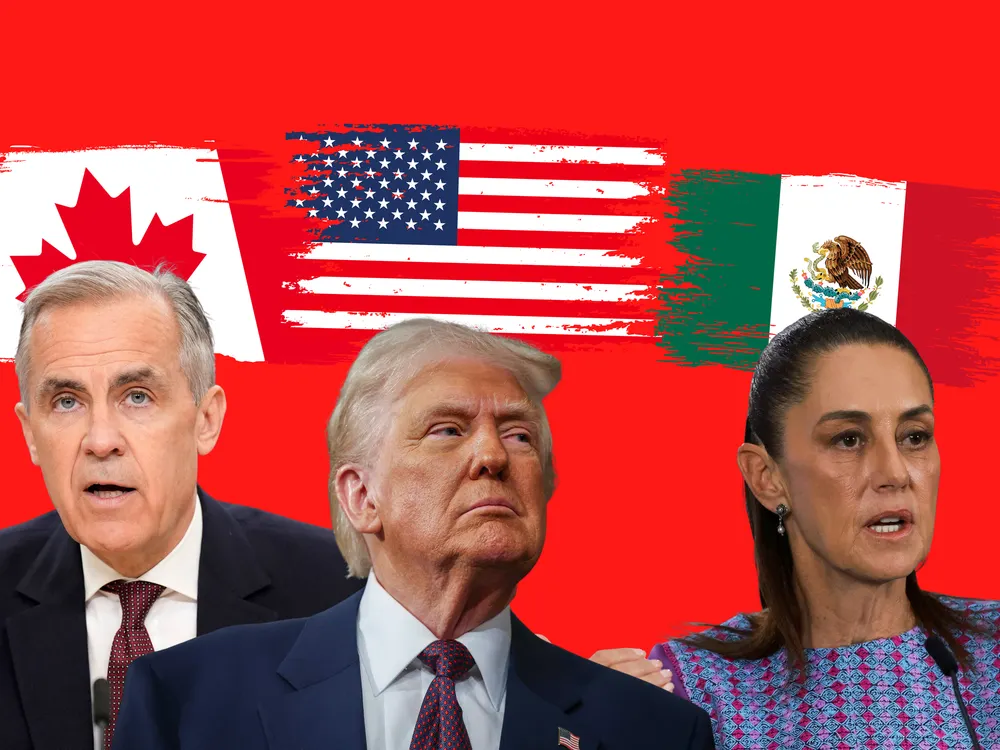
MIAMI — Nearly two months after Washington formally declined to renew the USMCA in its current form, both Canada and Mexico are racing to strike separate bilateral arrangements with the United States — not a unified trilateral deal — and Canada now says it’s on the verge of finalizing one, even as key details remain unresolved.
Canadian and U.S. negotiators met for a third consecutive day this week, following Trump’s decision to pause a new wave of threatened tariffs on Canadian goods overnight. Both sides have publicly signaled optimism, though without confirming specifics.
Trump described the emerging arrangement as “a very fair deal for both sides,” while Prime Minister Mark Carney posted a congratulatory message and said the deal would secure “the best terms” for Canada’s strategic sectors and provide certainty on the future of U.S.-Canada trade.
U.S. Trade Representative Jamieson Greer told reporters after a 45-minute meeting with his Canadian counterpart that the Americans are “very happy” with the discussions.
But the fine print remains genuinely unsettled. Provincial premiers Scott Moe of Saskatchewan and Tim Houston of Nova Scotia, briefed directly by Carney, said negotiators were still bargaining over the exact level of tariff relief Canadian industries would receive, particularly the sectoral tariffs imposed last year under Section 232 of the U.S. Trade Expansion Act. “They’re still working out some of the details on some of the exact tariff amounts,” Houston said.
In a sign of how seriously Ottawa is treating the moment, Carney has asked Canadian premiers to restock U.S. alcohol on store shelves and end procurement bans targeting American goods — provincial-level retaliatory measures that had been adopted amid the trade dispute.
Where Things Stand With Mexico
Mexico is pursuing a separate track, having entered its third round of formal bilateral talks with Washington this week.
Mexican Economy Minister Marcelo Ebrard confirmed following a meeting with Greer that Mexico had “presented something similar” to a key Canadian demand: excluding the value of all qualifying North American content from U.S. tariffs, a proposal aimed at preserving the integrated supply chains the USMCA was built around.
Sources familiar with the negotiations, speaking to the Globe and Mail, said Canadian and Mexican officials remain in direct contact with each other even as they negotiate bilaterally rather than trilaterally — an arrangement neither government initially wanted.
Former Mexican trade negotiator Juan Carlos Baker offered a pointed comparison of the two governments’ relative positions: “She has more degrees of freedom to operate than Prime Minister Carney does,” he said of President Claudia Sheinbaum, suggesting Mexico’s negotiating posture carries fewer domestic political constraints than Canada’s does right now.
Why Bilateral Talks, Not a Trilateral Deal
The current negotiating structure traces back to July 1, when the USMCA’s required six-year joint review concluded with the Trump administration declining to renew the agreement in its existing form.
USTR Ambassador Jamieson Greer’s formal statement that day was unambiguous: “The United States did not agree to renew the USMCA in its current form. As a result, the USMCA is not renewed.” Crucially, the agreement did not terminate — it remains legally in force while the three countries work through the review’s unresolved issues, now on an annual-review track that, absent a different resolution, runs until the agreement's scheduled 2036 end date.
Both Canada and Mexico had originally wanted to negotiate an extension of the trilateral pact together. Instead, both governments agreed to pursue separate bilateral talks with Washington — a structure that carries a real strategic risk analysts have flagged directly: whichever country reaches a bilateral deal with the U.S. first effectively sets the template the other must then accept or contest, rather than the three parties negotiating shared terms together from the outset.
What a Deal Would Cover — and What It Wouldn’t
Even if Canada’s emerging arrangement is finalized soon, U.S. officials have been clear it would function as an interim measure rather than a full USMCA revision.
A senior Trump trade official told the Globe and Mail the administration is aiming for interim deals with both Canada and Mexico by the end of this year, while negotiations over core structural elements of the agreement — including rules of origin and labor regulations — could “take a little more time” and involve further discussions with Congress into next year.
The Stakes for North American Trade
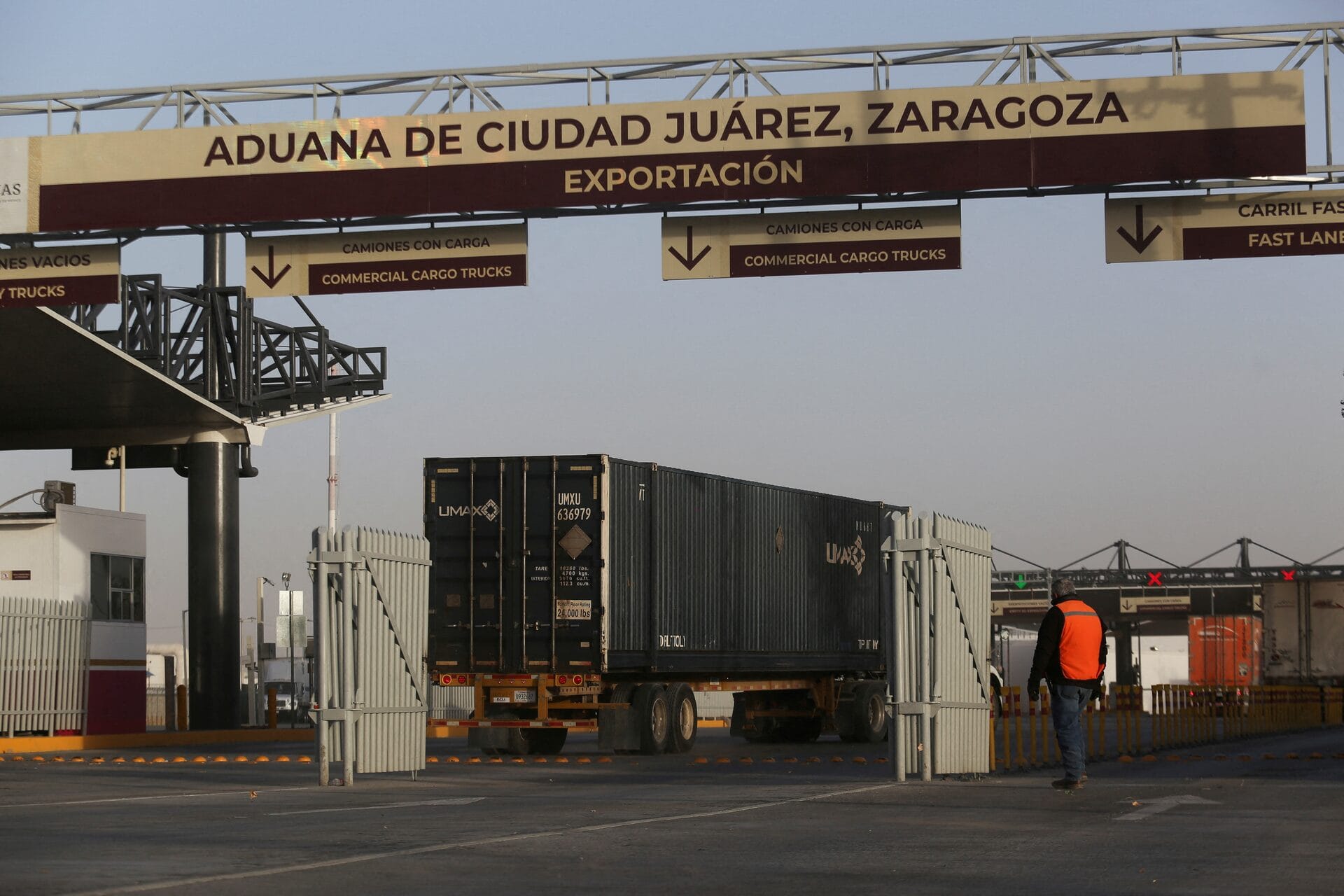
The three economies conduct roughly $1.6 trillion in annual goods trade under the USMCA framework, which has also shielded both Canada and Mexico from a considerable share of the tariffs Trump has imposed on other trading partners globally.
Canada’s own data underscores how central the agreement has become to its export economy: the share of Canadian goods exports to the U.S. claiming USMCA tariff preferences surged to 53% in 2025, up sharply from around 37% the year before, even amid the uncertainty surrounding the review.
For Mexico, whose government has said it is aiming to resolve dozens of outstanding trade barriers with Washington as part of its own bilateral process, preserving USMCA’s core framework remains similarly central to its economic planning, particularly given how deeply integrated its manufacturing and automotive sectors have become with U.S. supply chains over the agreement's six years in force.
Neither the Canada-U.S. nor Mexico-U.S. track has produced a finalized, public agreement as of this article, despite the optimistic language from both Ottawa and Washington this week.
With interim deals targeted for both countries by year’s end, and the more substantial rules-of-origin and labor questions pushed into 2027 discussions involving Congress, the coming months are likely to bring incremental bilateral announcements rather than a single, comprehensive trilateral resolution — a structural shift from how the original USMCA itself came together in 2020.