


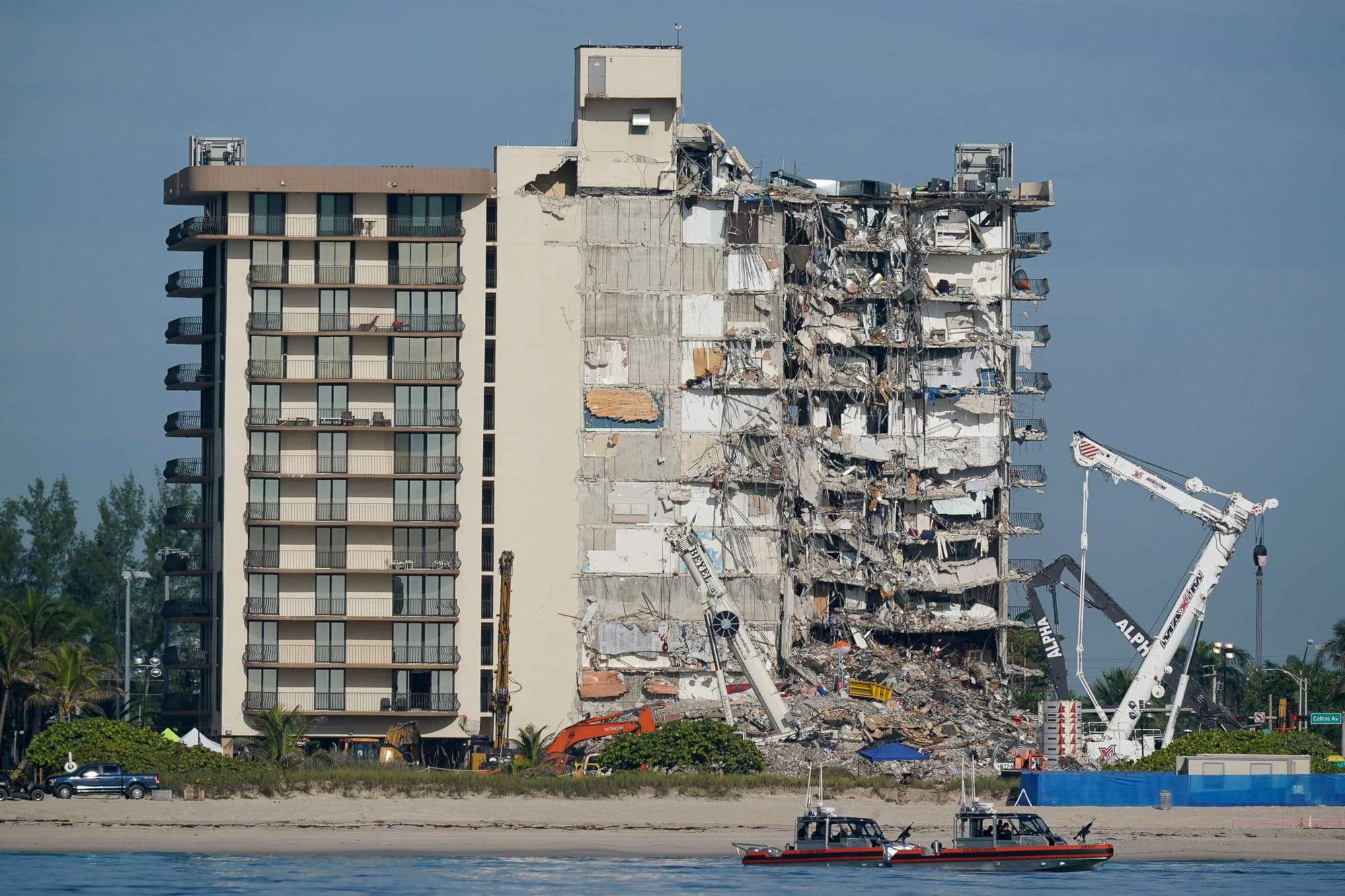
MIAMI — Nearly five years after the Surfside condo collapse killed 98 people, the safety laws Florida passed in response are now producing their most consequential effects — and Miami’s condo market is absorbing the full financial impact in real time.
The Laws Behind the Crisis
Florida enacted two central pieces of legislation following the June 2021 Champlain Towers South collapse: SB 4-D and SB 154, which established mandatory Milestone Inspections and Structural Integrity Reserve Studies (SIRS), and the more recent HB 1021, focused on governance and financial transparency.
The Milestone Inspection requirement is narrow but consequential: it applies specifically to condominium and cooperative buildings three or more habitable stories tall, is state law uniform across every Florida county, and requires structural inspections once buildings reach a set age threshold.
The SIRS requirement sits alongside it, forcing condo and co-op associations to study — and, critically, fully fund — reserves for major structural components. The core change from pre-Surfside practice: associations can no longer vote to waive or underfund those reserves.
This is distinct from Miami-Dade’s older building recertification ordinance, which predates the Milestone law and covers a broader universe of structures — rental buildings, offices, warehouses, and mixed-use towers — once they hit their own age threshold, administered locally rather than by the state.
2026: Bill Comes Due
The laws themselves passed years ago, but their financial consequences were phased in on a delay, and that delay has now expired for a large share of Miami’s older housing stock.
The combined effect of mandatory reserve funding, Milestone compliance costs, and an already-hardened property insurance market has produced a wave of special assessments now landing on unit owners, with figures ranging from $10,000 to well over $100,000 per unit depending on the building’s age and condition.
Towers built between 1975 and 1995 have been particularly exposed, with some facing combined roof, concrete restoration, and waterproofing assessments exceeding $100,000 per unit when bundled together.
The Financing Freeze
The consequences have extended well beyond the assessment bills themselves. More than 1,400 Florida condo buildings are now on Fannie Mae’s “unavailable” list, meaning conventional mortgage financing is effectively off the table for buyers in those buildings.
That shrinks the realistic buyer pool for an affected unit down to roughly three categories: cash buyers, foreign buyers, and other buyers who already understand and accept Milestone-era risk.
Some market analysts describe the resulting price impact in stark terms, estimating that older, Milestone-affected buildings have seen values fall 20% to 40%, and characterizing the situation as a structural market shift rather than a normal cyclical correction — one they expect will not resolve for years.
A Real Divide Opening in the Market
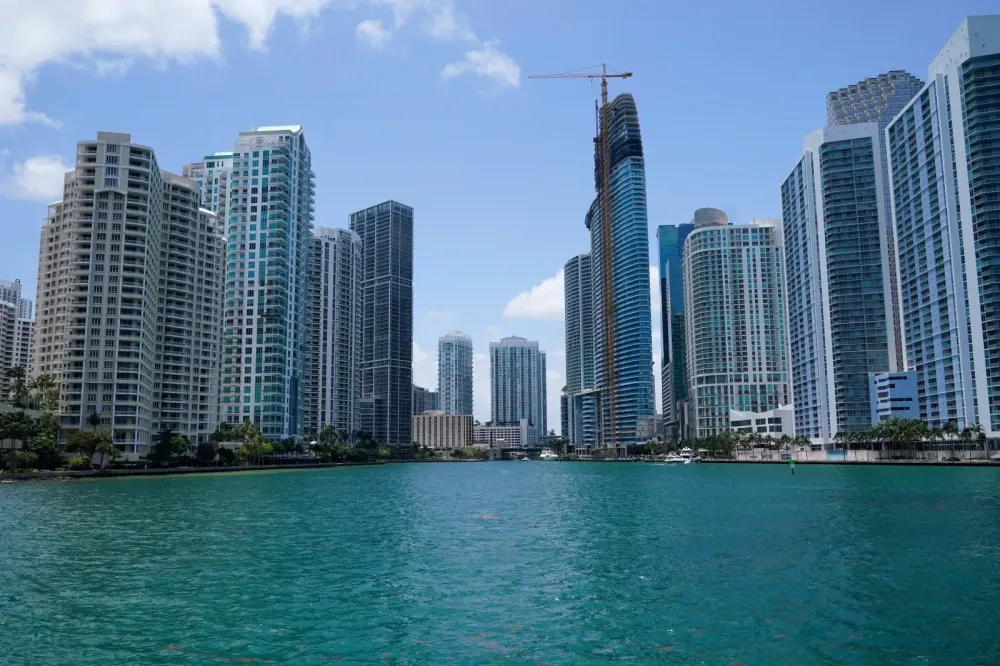
The crisis has created a visible split between Miami’s older housing stock and its newest towers. Buildings delivered in the current construction cycle — premium property developments like Baccarat Residences, Cipriani Residences Miami, and Aston Martin Residences in Brickell — do not carry the same 30-year reserve catch-up liability older buildings face, since they’re starting their reserve funding fresh under the new rules rather than trying to retroactively fund decades of deferred maintenance.
Buyers in those newer buildings pay a real premium on price per square foot, but they avoid inheriting the structural liability now weighing on older resale inventory. That trade-off has become a central part of how real estate advisors frame the pre-construction-versus-resale decision for Miami buyers in 2026.
What Buyers & Owners Need to Verify
Real estate professionals now treat several documents as essential due diligence before any Miami condo purchase: recent Milestone inspection reports, to confirm compliance and flag structural concerns; full maintenance and reserve funding records, since a well-funded association carries meaningfully lower special-assessment risk; and board minutes covering any special assessments already levied or under consideration.
Advisors also note that a clean recertification paired with a Milestone report flagging deterioration and thin reserves represents a materially different risk profile than a fully funded association with no open items — and that missing or vague documentation is itself a warning sign.
When a pending or anticipated special assessment turns up during due diligence, two standard resolutions have become common in Miami resale transactions this year: the seller pays the outstanding balance in full before closing, or the sale price is reduced by an amount equal to the assessment.
The Cost of Non-Compliance
The stakes for associations that fail to meet safety requirements are severe. Buildings that don’t satisfy Florida’s structural standards risk having residents forced to vacate their units, in some cases for months or even years, while the building comes into compliance. Displaced owners remain financially responsible for their existing monthly association fees and any new special assessments throughout that period, on top of the added cost of securing temporary housing — a scenario that has pushed some owners, even those facing five-figure assessment bills, to conclude that paying and remaining is still preferable to the alternative.
What This Means for Miami
For a city whose identity and tax base are deeply tied to condo living and waterfront properties, the scale of this adjustment carries implications well beyond individual owners’ balance sheets — affecting property values, the composition of who can realistically buy into older Miami neighborhoods, and the broader trajectory of a housing stock built heavily in the decades before the safety standards that now govern it.
With compliance deadlines continuing to phase in across different budget cycles and building ages, real estate professionals expect the special-assessment wave to keep working through Miami’s inventory well beyond this year, making due diligence on any older building’s Milestone and reserve status one of the single most consequential steps in any 2026 Miami condo transaction.