
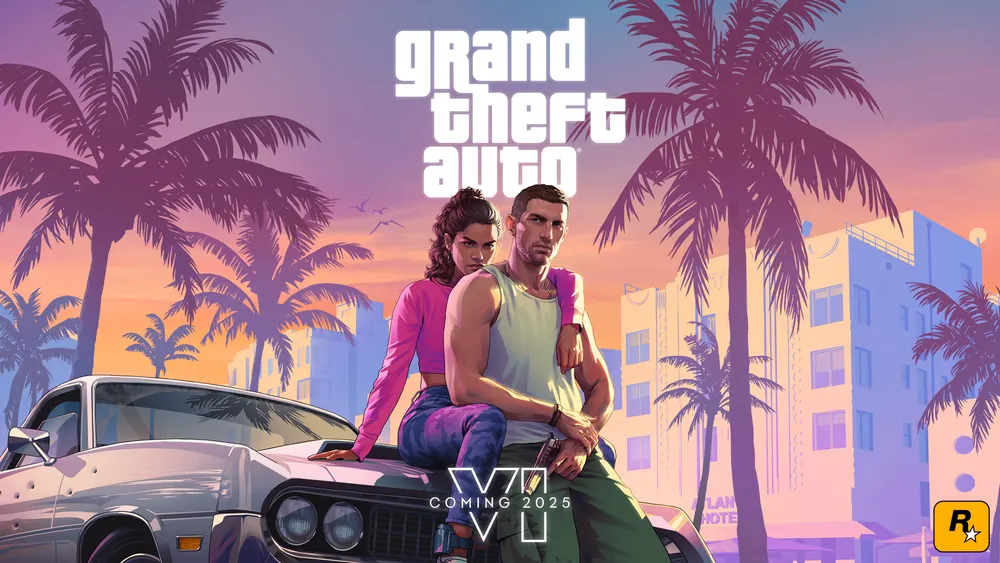
MIAMI-DADE — A proposed marketing partnership that would have temporarily transformed parts of Miami-Dade County into the fictional “Vice City” setting of Grand Theft Auto VI has stalled after Miami-Dade’s sheriff and a county commissioner publicly objected, arguing the county should not lend its name and public property to a game built around crime.
According to a presentation dated June 29, 2026, and marketing materials later reviewed by TheGamer, the proposal envisioned wrapping recognizable Miami-Dade infrastructure in Grand Theft Auto VI branding ahead of the game’s November 19, 2026 release.
Concepts floated included Vice City-themed transit passes, redesigned Metromover cars, GTA-inspired manhole covers, rebranded storefronts and beachfront promenades, large-scale installations at PortMiami and Tropical Park, and — the detail that has drawn the sharpest criticism — the possibility of temporarily rebranding Miami International Airport with Vice City signage.
Every proposed activation was explicitly described in the presentation as preliminary and subject to feasibility checks, permits, property-owner approval, and formal county sign-off — meaning no element of the plan had been finalized even at the proposal stage.
Reporting on the deal’s origin has shifted since it first became public. Early accounts indicated Rockstar Games approached Miami-Dade County directly; later reporting suggested the county itself may have pitched several of the concepts to Rockstar after the studio reached out about potential collaboration.
Carlos Suarez, communications director for Mayor Daniella Levine Cava, confirmed only that county staff have held conversations with Rockstar about opportunities tied to the game’s launch, while stressing repeatedly that “nothing has been formally agreed to or approved,” and that any eventual arrangement would still need to clear the county’s standard review process.
The Case For
County officials have framed the potential partnership primarily as a revenue and tourism opportunity. Suarez said the county sees “a unique opportunity to generate revenue for the County” while showcasing Miami-Dade to “a massive global audience,” betting that the enormous cultural attention surrounding Grand Theft Auto VI’s launch could translate into real-world visitor traffic to the actual Miami locations that inspired the game’s fictional setting.
The scale of that attention has historical precedent: the franchise’s previous installment, Grand Theft Auto V, generated more than $1 billion in revenue within its first three days of release, and Take-Two Interactive has historically treated Grand Theft Auto launches as major cultural events rather than standard product debuts, with marketing budgets to match.
Who’s Opposed, and Why?
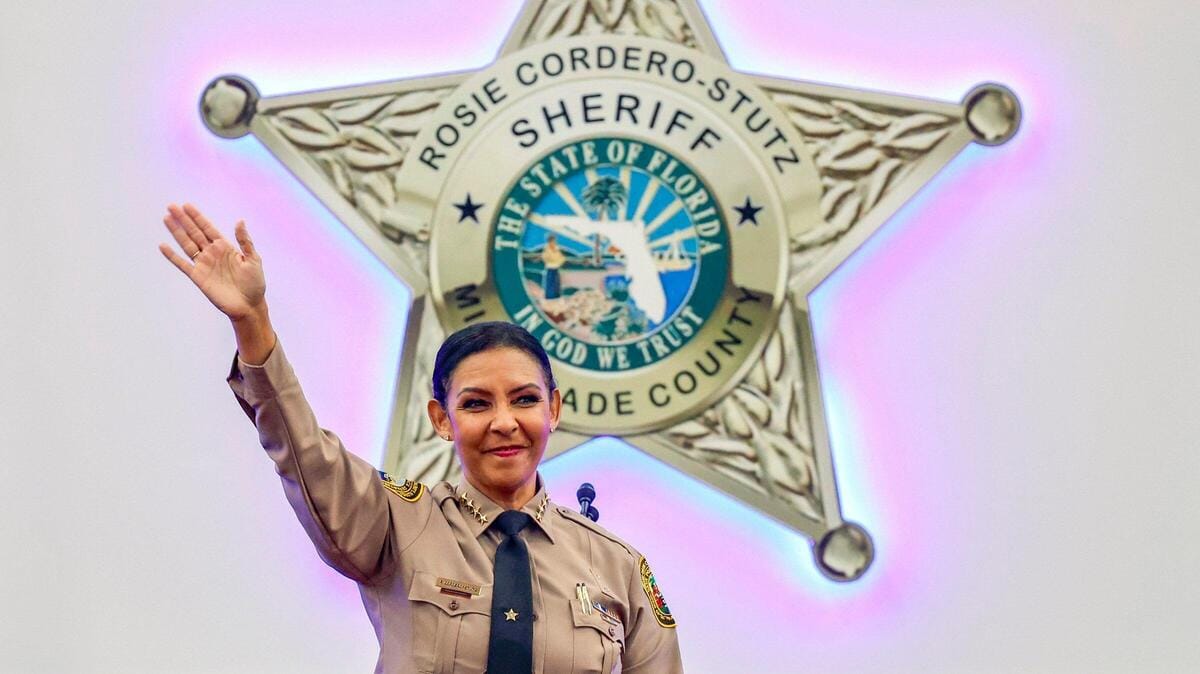
The clearest and most forceful opposition has come from Miami-Dade Sheriff Rosie Cordero-Stutz. In a statement reported by the Miami Herald, she drew a direct line between the game’s content and her department’s daily work: “Grand Theft Auto is a video game franchise built around criminal activity. Its fictional world includes murder, robbery, drug trafficking, carjacking, violence against law enforcement, and other conduct that the men and women of the Miami-Dade Sheriff’s Office work every single day to prevent.”
She argued the county’s decades of work building its reputation as a global destination for tourism, business, and investment shouldn’t be undermined by association with a fictional world defined by crime: “We should be promoting the Miami-Dade we have worked so hard to build, not a fictional version of our community defined by crime and violence.”
County Commissioner Juan Carlos Bermudez, a potential future mayoral candidate, echoed that position, specifically questioning the idea of rebranding Miami International Airport with Vice City signage and calling for greater transparency around any negotiations — including their costs, their public benefits, and the extent of county resources involved.
Both officials framed their objection not as opposition to the game itself, but to the specific choice of putting county-owned public property and the Miami-Dade name behind it.
Where Things Stand
As of this article, the proposal remains stalled rather than formally withdrawn. No agreement has been signed, and county officials have not indicated whether a scaled-back version of the partnership — omitting the airport rebranding or other more contentious elements — remains under consideration.
With the game’s November 19 launch date approaching, the window for finalizing any substantial county-wide promotional partnership and securing the necessary approvals is narrowing quickly.
What This Means for Miami
The dispute captures a genuine tension in how Miami-Dade thinks about its own global image. Grand Theft Auto VI’s Vice City is explicitly built on Miami’s real cultural identity — its architecture, nightlife, and Art Deco aesthetic have shaped the fictional setting since the original Vice City game decades ago — meaning the county’s brand and the game’s brand are already deeply intertwined in the public imagination, formal partnership or not.
The financial upside officials have pointed to is real: a global audience of millions engaging with content inspired by the city of Miami represents exactly the kind of exposure the county’s tourism apparatus regularly pays to manufacture through other campaigns.
However, the opposition from law enforcement and elected officials reflects a genuine concern that formally endorsing that association, particularly through public infrastructure like the airport or transit system, risks reinforcing a crime-centered caricature of the region that local leaders have spent years trying to move past since the county’s cocaine cowboy heydays of the late 1970s and 1980s.
Whatever the county ultimately decides, the debate itself signals how seriously Miami-Dade’s leadership is weighing the tradeoff between viral marketing exposure and the risk of undercutting its own carefully built civic identity.