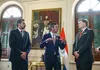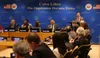


The United States is sending hundreds of Army soldiers to Latin America as its campaign against drug-trafficking networks moves from the sea onto the mainland. The troops are headed first to Panama, with training stops planned in Colombia and Honduras, and a new military command is taking shape in Miami to run the effort.
Soldiers come from the 10th Mountain Division, based at Fort Drum, New York, and are being forward-staged under U.S. Southern Command, which will decide where they end up. The unit will first train at a new jungle warfare facility in Panama. Part of the force is then expected to join Southern Vanguard, a military exercise planned for late October in Colombia, and to train with local forces in Honduras at a later date.
The mission is framed as training and joint exercises. Some troops could also support U.S. special operations personnel who advise regional militaries on raids against suspected traffickers.
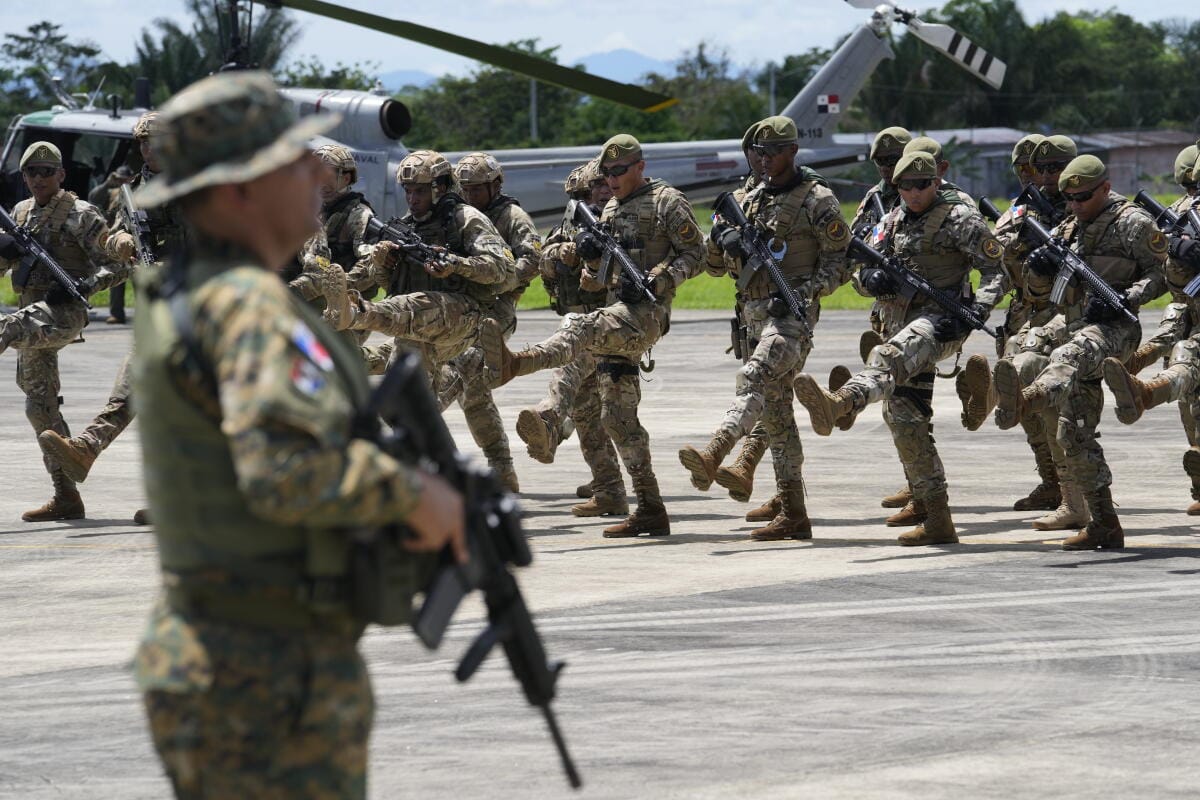
Several hundred additional soldiers will staff the new Western Hemisphere command in Miami.
Assignments are temporary for now, though officials say the rotations could grow into a more permanent presence.
Southern Command has declined to confirm details. “We do not disclose details or comment on U.S. personnel deployment,” a spokesman said, citing operational security.
More Than Men
The Pentagon has also moved MQ-9 Reaper drones, previously used against militant targets in Africa, to Colombia and Ecuador, and Ecuador has already received the first ones.
About $52 million in military aid has been shifted from Europe and the Middle East to Latin American allies.
In Ecuador, U.S. special forces partnered with local police on September 24 to dismantle a trafficking ring tied to Mexican cartels, following an arrangement for joint operations reached in March.
General Francis Donovan, who commands Southern Command, has said land operations are under consideration. “We want all options at the table,” he said, adding that the goal is to create “total systemic friction” for cartels.
The aim, he has said, is to bring onto land the operations already carried out in the Pacific and Caribbean.
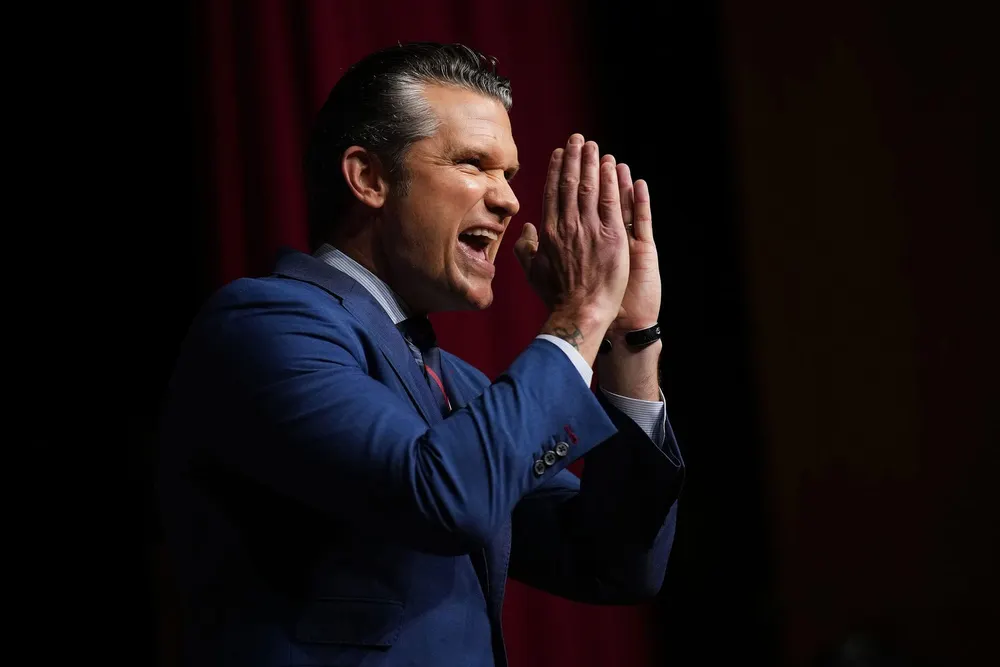
The land push follows more than a year of strikes on suspected drug boats, more than 60 in the Caribbean and eastern Pacific, which have killed more than 200 people. Defense Secretary Pete Hegseth launched “Operation Southern Spear,” and Washington has designated 20 Latin American criminal groups as terrorist organizations.
In August, Hegseth said in Panama that Colombia, Honduras and Guatemala had agreed to allow joint operations on their soil.
Guatemala denied it.
The deployment is tied to the Shields of the Americas initiative, a regional coalition of 19 Latin American nations that Trump created earlier this year. Army Western Hemisphere Command leader Gen. Joseph Ryan said the U.S. is working to regain ground in the region.
“We have ceded economic dominance in the region to an adversary,” he said, in a nod to China’s growing role in Latin America.
Colombian President Abelardo de la Espriella welcomed the deployment as a way to deliver on his campaign promise to confront drug cartels, according to one report.
The Panamanian, Colombian and Honduran governments did not respond to The New York Times’ questions about the troops.