Monday’s Sociedad Media Now daily newsletter with three of the top stories on Democracy in Latin America: Brazil, Venezuela & Colombia are the topics of the day — this September 14, 2026.
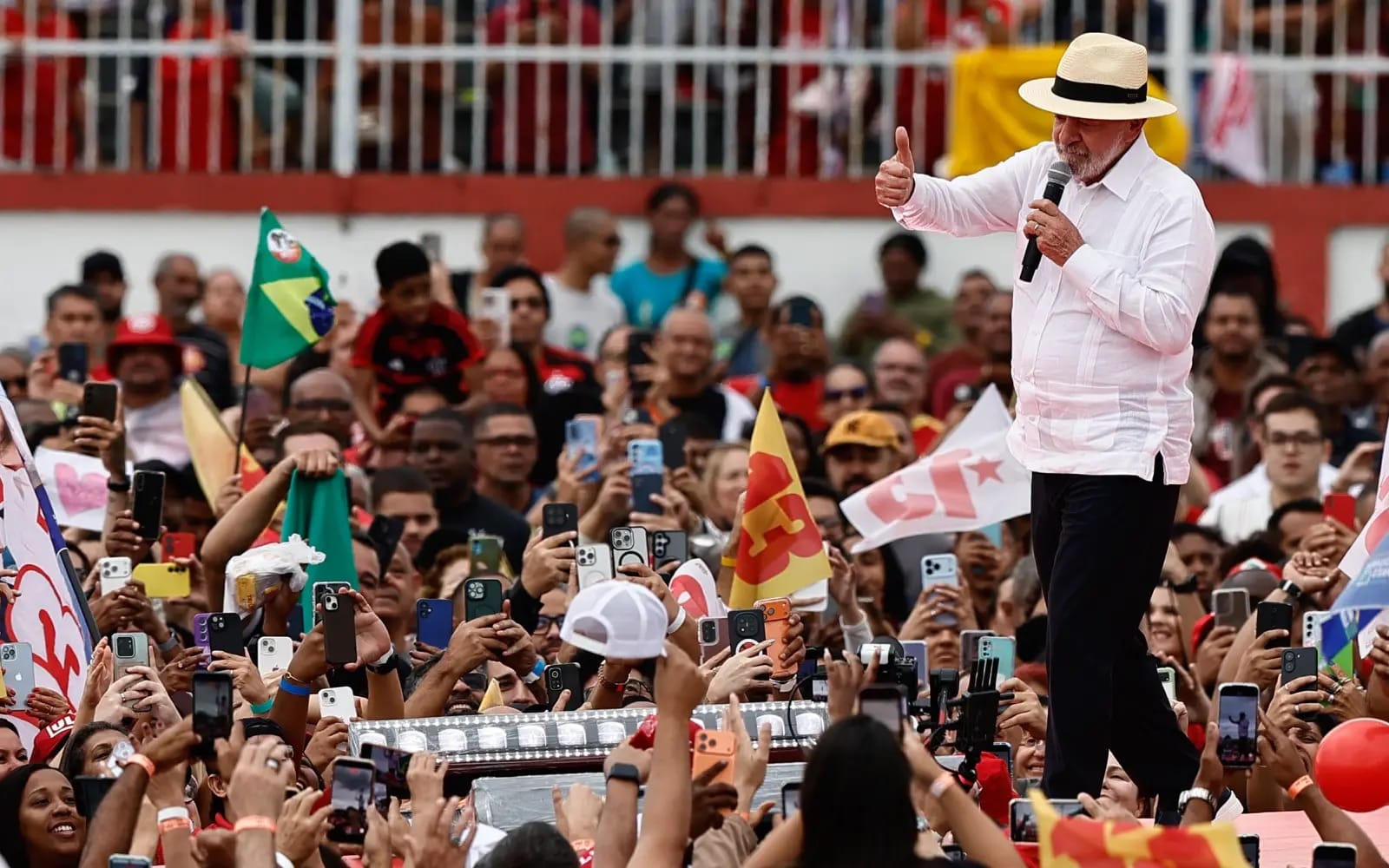
Lula Skips BRICS Summit For Presidential Campaign, Warns Brazil’s Voters: Don’t Let This Become Venezuela
BRASÍLIA — President Lula of Brazil skips the BRICS summit in New Delhi, India to campaign at home, warns Brazilians that their natural resource — oil and minerals — could suffer Venezuela’s fate — now under 35% Pentagon control — unless voters vote to keep him in office and “in the hands of the Brazilian people.”
The message caps 1,120 coordinated campaign events across 26 states, timed to a race against Flávio Bolsonaro that remains locked within the margin of error.
With Brazil’s October 4 vote just weeks away, the Venezuela comparison has become the sharpest closing argument yet in Lula’s bid for a fourth term.
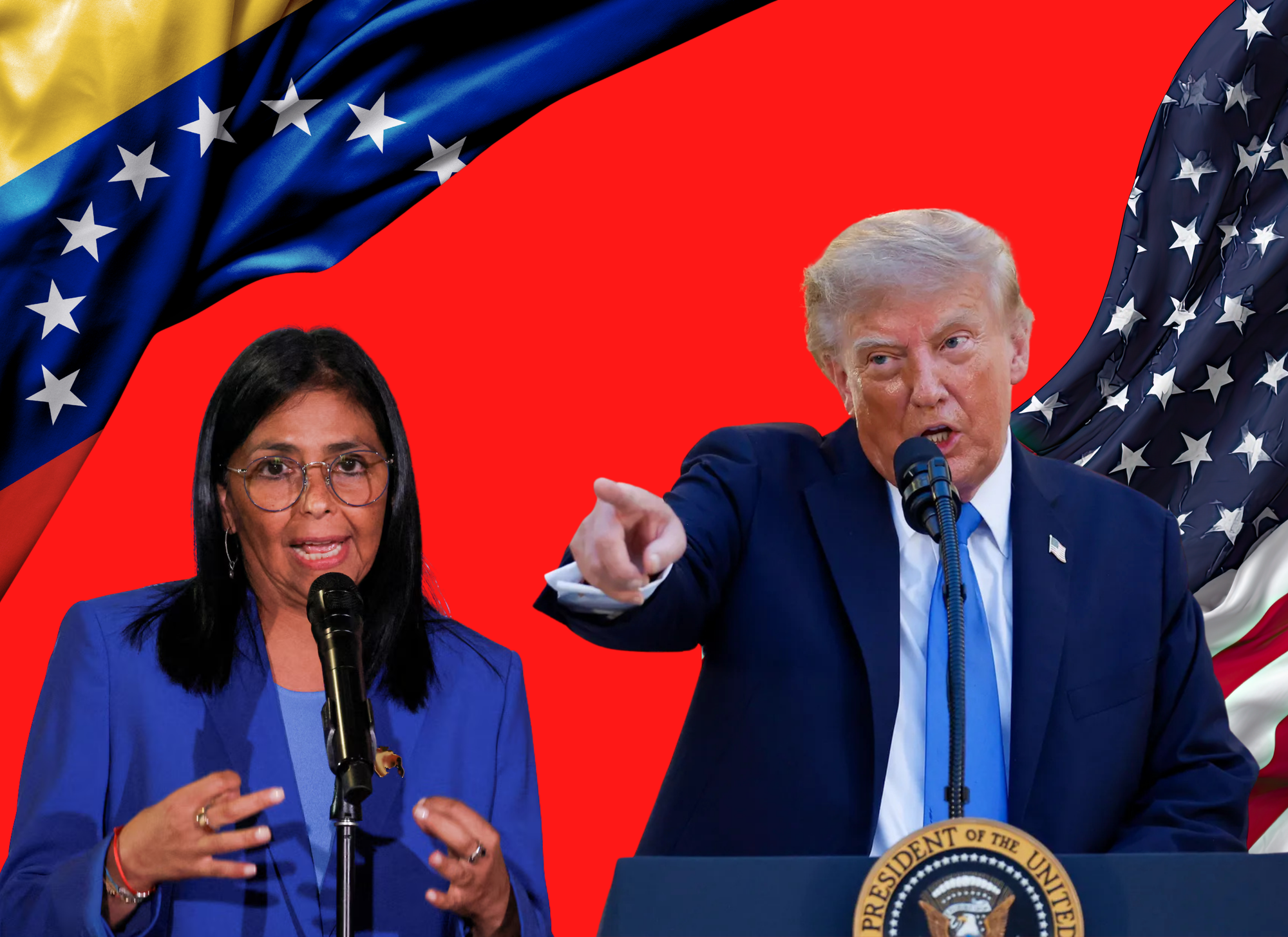
Venezuela’s Opposition Returns to Table in Caracas as Trump Hints at Delcy Rodríguez Meeting at U.N.
CARACAS — Venezuela’s opposition, led by Dinorah Figuera, is set to resume dialogue with Chavismo in Caracas this month, focused on political guarantees, even as U.S. President Donald Trump left open the possibility of meeting Delcy Rodríguez at the UN General Assembly, saying “maybe” when asked.
Notably, elections remain uncertain, with Trump offering only that they’ll happen “when they’re ready.”
If a meeting occurs, Rodríguez would become the first sitting Venezuelan president to visit the U.S. in over a quarter century, underscoring just how far the relationship has shifted since Maduro’s January capture, and even providing Rodríguez with an air of legitimacy on the international stage.
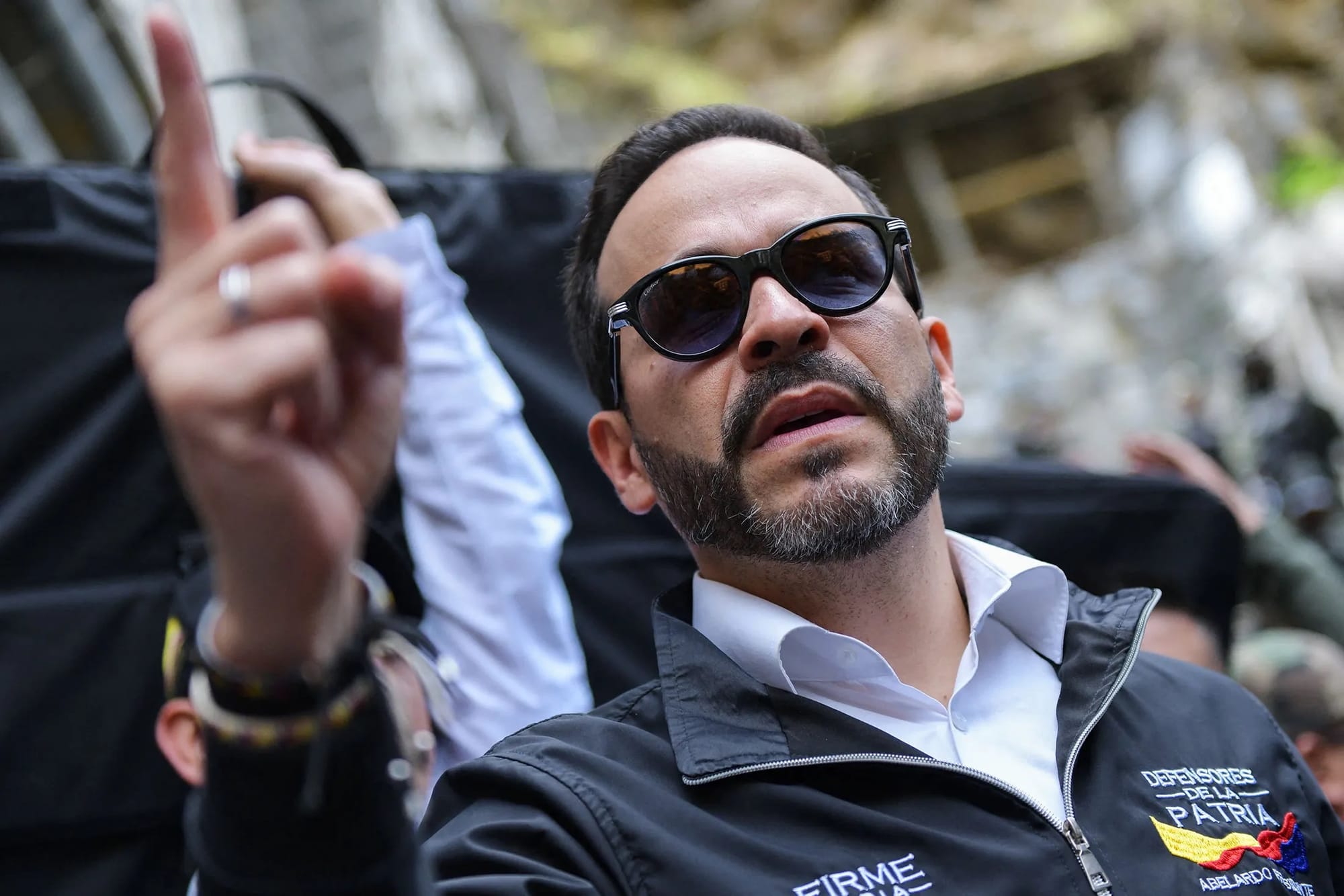
De la Espriella’s First Address to the Nation: Fiscal Crisis, U.S. Relations & The War On Rebels
BOGOTÁ — President De la Espriella marked his first 36 days in office with a nationwide address covering the fiscal crisis, a sweeping security offensive that’s captured or killed 24 criminal leaders, earthquake recovery, and a pledge that corruption convicts will serve time in “ordinary prison.”
The government’s security results included more than 17,140 captures and 73 signed extraditions, framed as a direct break from the Petro administration’s negotiation-first approach.
Analysts credited the security push as his clearest early success, while flagging the budget rollout as a communication stumble.