

Today’s edition of our Sociedad Media Now daily newsletter focusing on the region’s tops stories. U.S. Energy Secretary Chris Wright arrives in Caracas to sign oil agreement, but how likely will it lower costs for Americans? Lastly, Brazil increasingly becomes Cubans’ primary asylum destination, and we explain why.
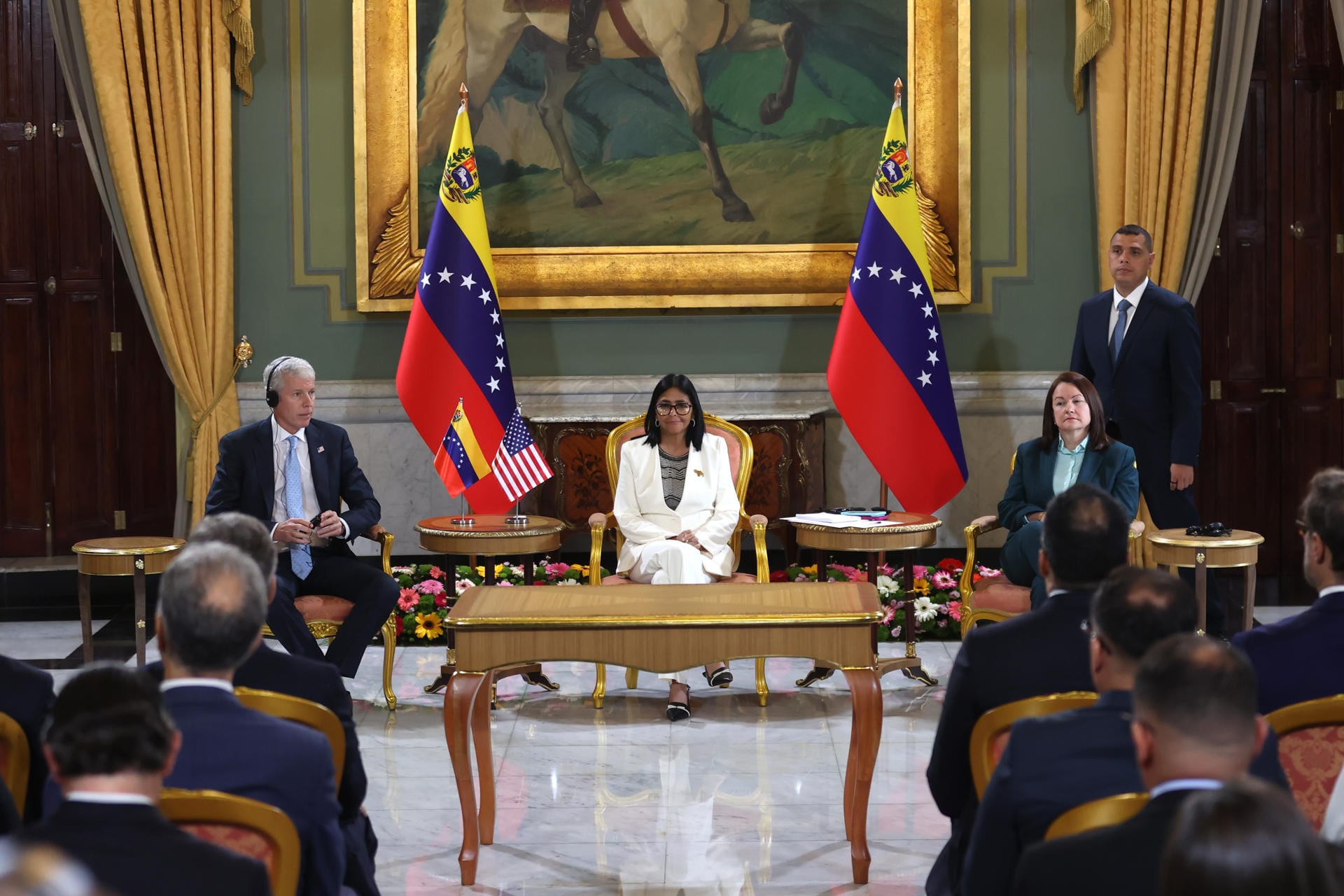
Venezuela Formally Signs Oil Deals With Chevron & Eni as U.S. Energy Secretary Visits Caracas
CARACAS — Venezuela formally signs oil deals with Chevron and Eni in Caracas, with Chevron pledging over $7 billion to double its production over five years, as U.S. Energy Secretary Chris Wright called the day “historic” and pointedly noted China would hold no rights to the oil.
Rodríguez promises electoral process “will happen” — without offering any timeline, leaving Venezuela’s economic ties with Washington to keep advancing well ahead of its political transition.
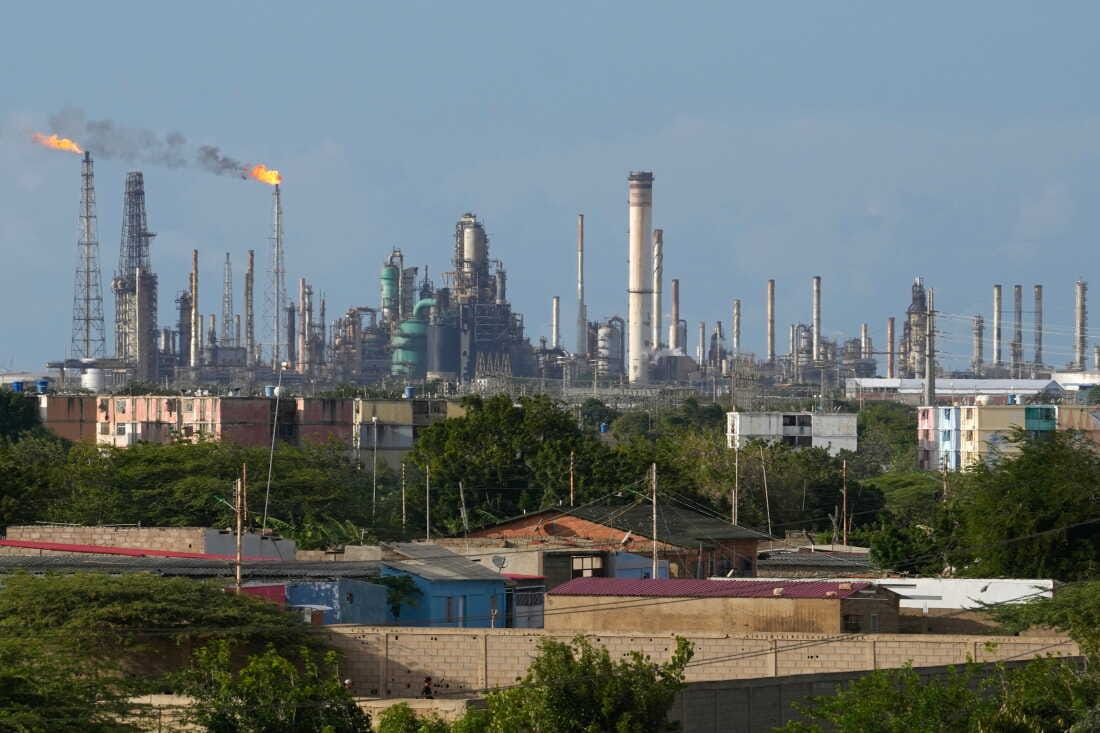
U.S.-Venezuela Oil Deal Likely Slow To Reduce U.S. Oil Prices
Trump says his Venezuela oil deal will lower gas prices, but the numbers tell a different story: crude prices have actually risen since the announcement, with WTI pushing past $90 and Brent past $95.
Analysts across multiple institutions say Venezuelan crude is heavy, hard to refine, and years away from reaching U.S. pumps at any meaningful scale — meaning American drivers, already paying nearly a dollar more per gallon than a year ago, shouldn’t expect relief anytime soon.
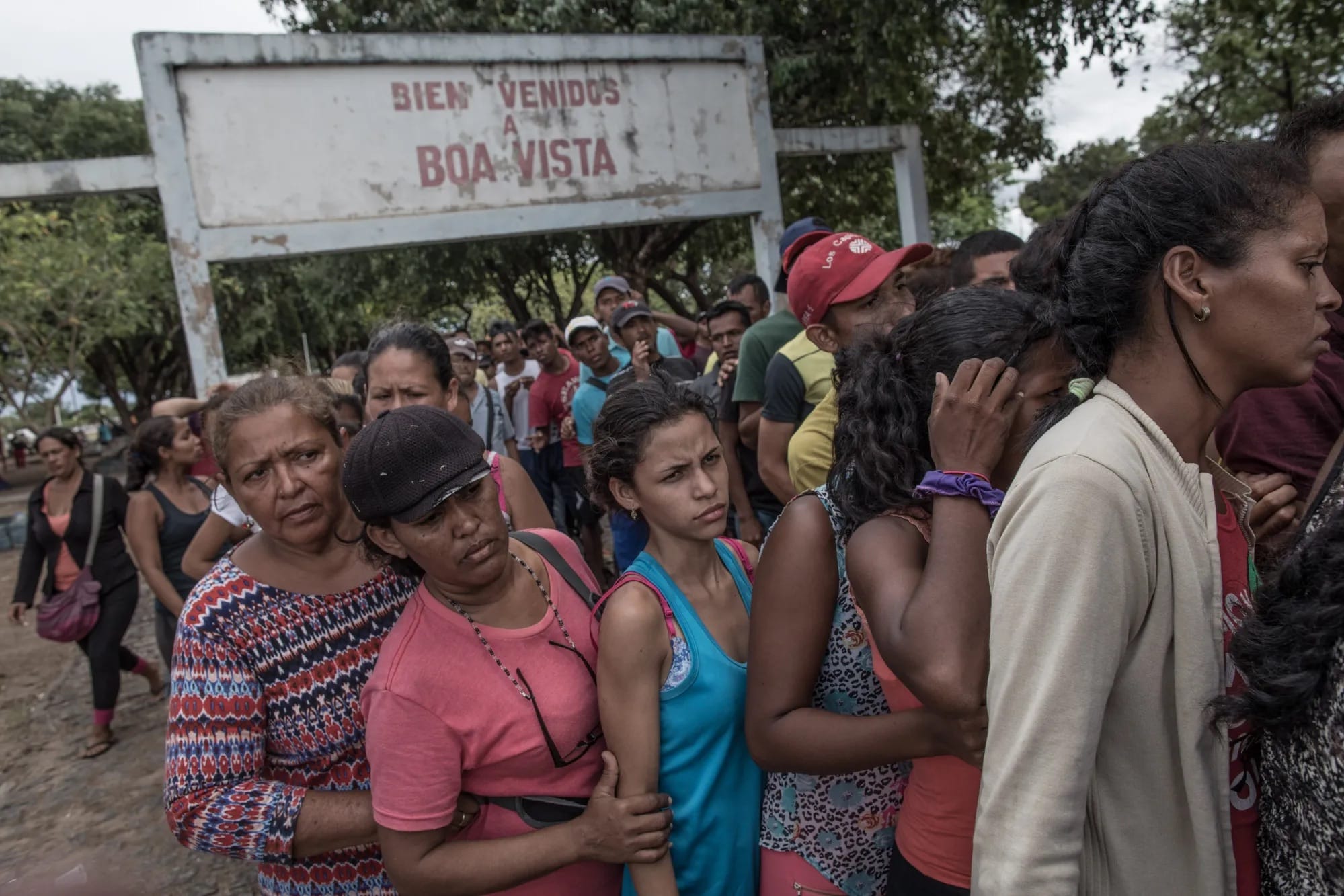
Why Cubans Are Rebuilding Their Lives in Brazil
MIAMI — With U.S. pathways closed, Cubans have surpassed Venezuelans as Brazil’s top asylum-seeking nationality, filing over 20,000 applications in just the first half of 2026 — a community that’s grown thirtyfold in under five years, reversing a migration corridor that once ran north toward the U.S. and now runs south toward Brazil instead.