

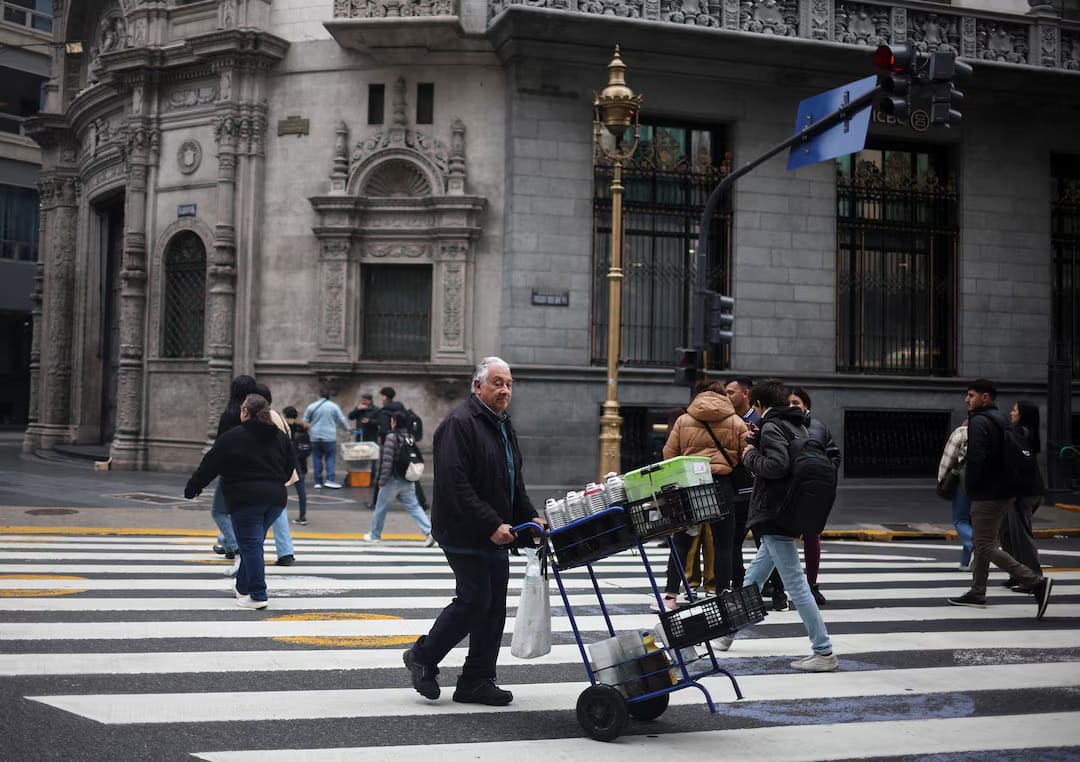
Argentina Poverty Down Since Milei, But Rising Again
BUENOS AIRES — Argentina’s poverty rate has fallen sharply since Javier Milei took office, from 52.9% in the first half of 2024 to 28.2% at the end of 2025, according to INDEC.
The latest data show progress stalling, though, with poverty rising to 32.3% in the first half of 2026 and extreme poverty to 7.5%, as incomes lagged behind the cost of living.
The article looks at what drove the earlier decline and why economists see the easy gains as over. It also covers what the reversal means for Milei’s political standing ahead of 2027.
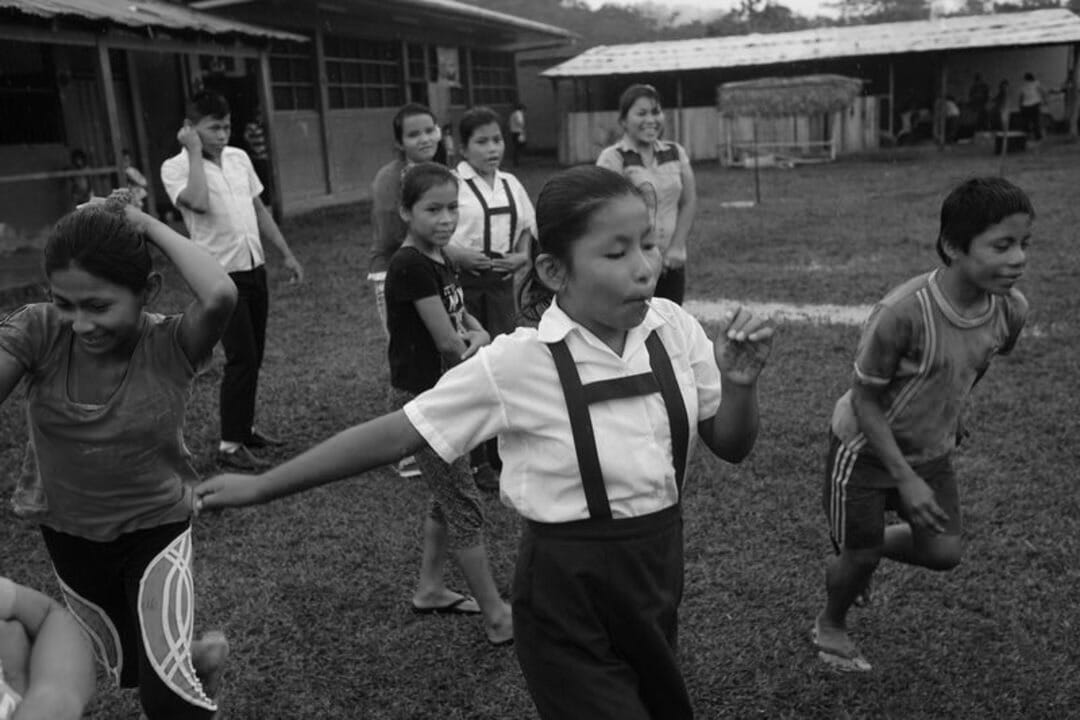
Peru Drafts Student Expulsions, Dress Codes in Major Public School Reforms
LIMA, PERU — President Keiko Fujimori has presented draft school discipline guidelines that would bring back student suspensions and expulsions, a graded conduct score and stricter dress and grooming rules in Peru’s public schools.
The agenda sorts misconduct into three tiers, from minor to very serious, and allows expulsion after repeated suspensions or serious offenses such as bullying and sexual violence.
The proposal follows a September sexual assault case at a naval school and is open for public comment until Oct. 27. Critics, however, say hair and skirt rules do little to address violence, while the government argues the changes will restore order and teacher authority.
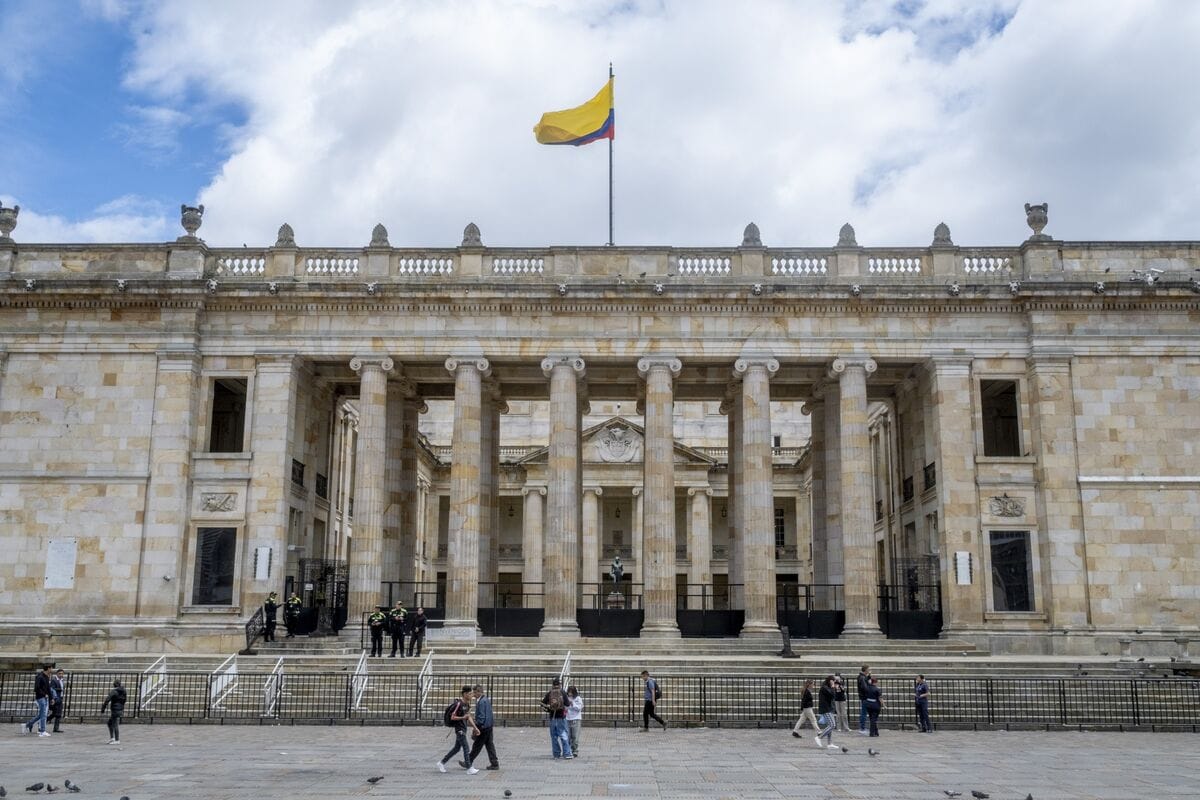
How Colombia’s Fiscal Crisis Ballooned, and the Government’s Plan to Contain it
BOGOTÁ — Colombia’s government is facing a widening fiscal gap that ballooned under the Petro government — driven by rigid spending, revenue that never arrived and the failure of the Petro administration’s 2026 tax reform.
Interest payments now take roughly one of every three pesos collected in taxes, and the independent fiscal committee expects the deficit to approach 10% of GDP next year.
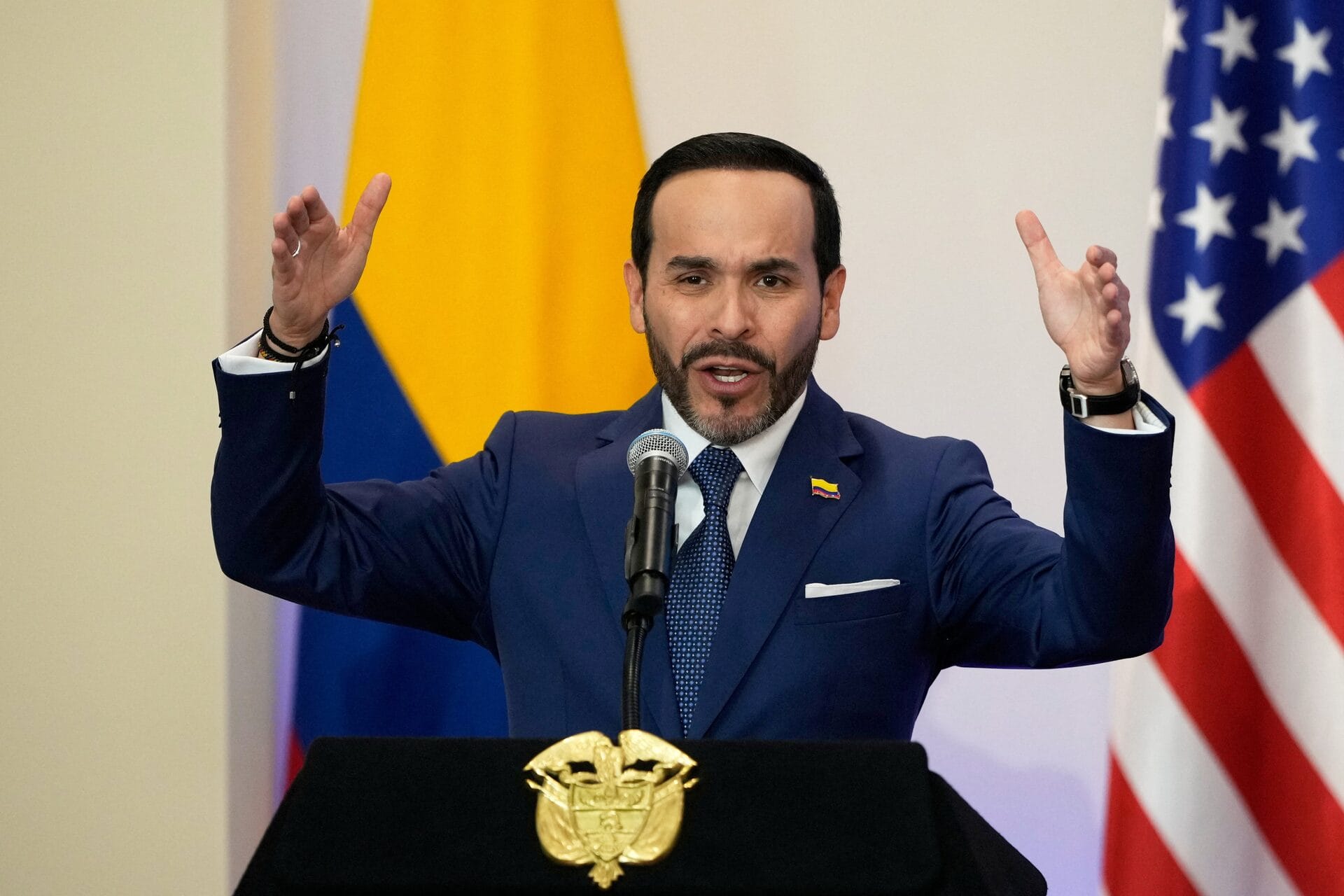
President Abelardo de la Espriella’s plan has three stages: deep budget cuts in 2027, a still-unpublished “Rescue Law” to cut the deficit, and structural reform through the next national development plan.
The article also covers the government’s request for an early IMF review and the risks to the plan, including Congress, optimistic savings targets and the toll on social programs.
X · Instagram · Facebook · WhatsApp