

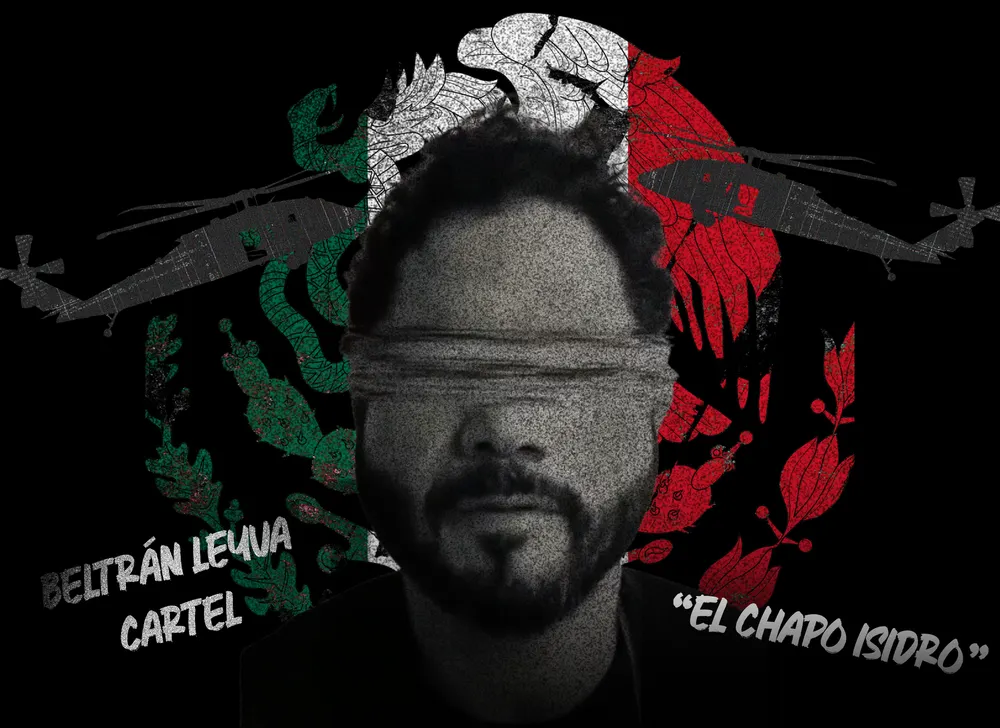
MEXICO — Mexican special forces captured Fausto Isidro Meza Flores, known as “El Chapo Isidro” and a fugitive on the FBI’s Ten Most Wanted list, in a night raid in Guasave, Sinaloa. Mexico’s Defense Ministry (Sedena) confirmed he was detained late Friday night. The operation cost the lives of four Mexican soldiers, according to U.S. and Mexican officials, and set off roadblocks and fires lit by cartel operatives across northern Sinaloa.
Sedena says the arrest followed intelligence coordination between Mexican and U.S. agencies under bilateral security cooperation. Army special forces and National Guard special forces took part, along with special forces officers assigned to Sinaloa’s public security secretariat.
Forces located the target using technological resources and carried out the operation in three phases, according to officials. Troops entered by several land routes to surprise the targets and cut off escape routes or reinforcements. The target area then came under heavy machine gun fire and explosives by air and ground forces before entering the house and making the arrests.
The Defense Ministry described the operation as one of “stealth and surprise.”
Two others were detained with Meza Flores: Germán “N,” alias “Serafín,” described as the group’s second in command, and José “N,” described as its financial operator. The three were flown to Mexico City on a Mexican Air Force aircraft and placed at the disposal of the competent prosecutors. The Defense Ministry’s account did not list seized weapons, drugs or cash, according to Proceso.
U.S. Intel Cooperation
Washington acknowledged a role in the operation, though neither government has described it in detail. U.S. Northern Command said its Joint Interagency Task Force Counter Cartel, working with other U.S. agencies, supported the target-identification work that made the operation possible, adding that “bilateral cooperation delivers results against transnational criminal organizations.”
U.S. Ambassador Ronald Johnson said the exchange of strategiccintelligence between the two countries helped make the operation possible and that results like these “are not achieved overnight.”
DEA chief Terry Cole called the capture a significant victory against one of Mexico’s most violent criminal networks. None of the statements say what kind of intelligence was shared. The reporting reviewed does not say whether U.S. personnel or aircraft took part on the ground.
The cooperation comes as President Donald Trump presses President Claudia Sheinbaum to do more against the cartels. Trump said Friday that Washington was working with her and that “the cartels are running Mexico.”
FBI MOST WANTED
The FBI added Meza Flores to its Ten Most Wanted Fugitives list in February 2025, and the State Department offered up to $5 million for information leading to his arrest and conviction.
U.S. prosecutors first indicted him in 2012, and a 2019 indictment accuses him of conspiring to make and distribute cocaine, heroin, methamphetamine and marijuana for the U.S. market from 2005 to 2019. He also faces a firearms charge.
Former acting FBI Director Brian Driscoll said he was accused of “flooding the US with fentanyl, cocaine, heroin, and other deadly drugs” over 20 years, and of kidnapping, extortion, torture and murder. Mexico has an arrest warrant against him for organized crime and crimes against health, and the United States has an extradition order for conspiracy to distribute drugs in U.S. territory.
En Guasave, Sinaloa, elementos de Fuerzas Especiales de @Defensamx1 y @GN_MEXICO_, en coordinación con personal militar comisionado en @sspsinaloa1, detuvieron a Fausto Isidro “N”, alias “Chapo Isidro”, identificado como jefe de la organización delictiva “Beltrán Leyva” y aliado… pic.twitter.com/KHfrW7WZXE
— Gabinete de Seguridad de México (@GabSeguridadMX) November 21, 2026
Authorities have not said how any extradition would proceed. Despite the similar nickname, he is not related to Joaquín “El Chapo” Guzmán.
Mexican authorities identify him as the leader of a Beltrán Leyva-linked organization and an ally of the “Los Mayos” faction of the Sinaloa Cartel. The FBI describes the group as the Meza-Flores cartel, often called the Guasave Cartel.
Authorities say it operates in several northern Sinaloa municipalities and extends into southern Sonora, and that it is a major producer of synthetic drugs, including fentanyl, for the U.S. market.
A year ago, early reports of his capture in Guasave proved false. After a November 3, 2025 clash that left 13 alleged gunmen dead, now resigned Sinaloa Governor Rubén Rocha Moya said he was not among the detainees.
The Aftermath
Sedena’s first account did not report victims. Later, Ambassador Johnson and Security Secretary Omar García Harfuch mourned four soldiers killed in the operation, and Quadratín reported that seven attackers died.
Official figures on the dead and wounded have not been confirmed.
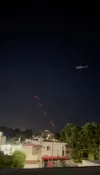
Blockades were reported in Ahome, Guasave, Navolato and Guamúchil, and authorities deployed anti-blockade units with local police. Shootings, narco-blockades and arson were reported in Guasave that night, including burned gas stations and vehicles.
A baseball game between the Algodoneros and Venados de Mazatlán was suspended, and authorities asked residents to stay indoors. Resident videos showed armed helicopters firing over neighborhoods, as we reported separately.
Harfuch called the arrests “an important step toward restoring peace in Sinaloa” and said security institutions remain deployed in the state.
Whether the capture weakens the group, or triggers a fight over its territory, is not yet clear. Sinaloa has been in a prolonged conflict between criminal factions, and arrests of leaders have often been followed by violence. Open questions include whether Meza Flores will face trial in Mexico or be sent to the United States, and what the capture means for the group’s alliance with Los Mayos.
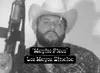
Fausto Isidro Meza Flores, known as “El Chapo Isidro” advising his operatives in the Meza Flores Cartel to cease operations and upheaval in the state of Sinaloa, Friday, November 20, 2026.