
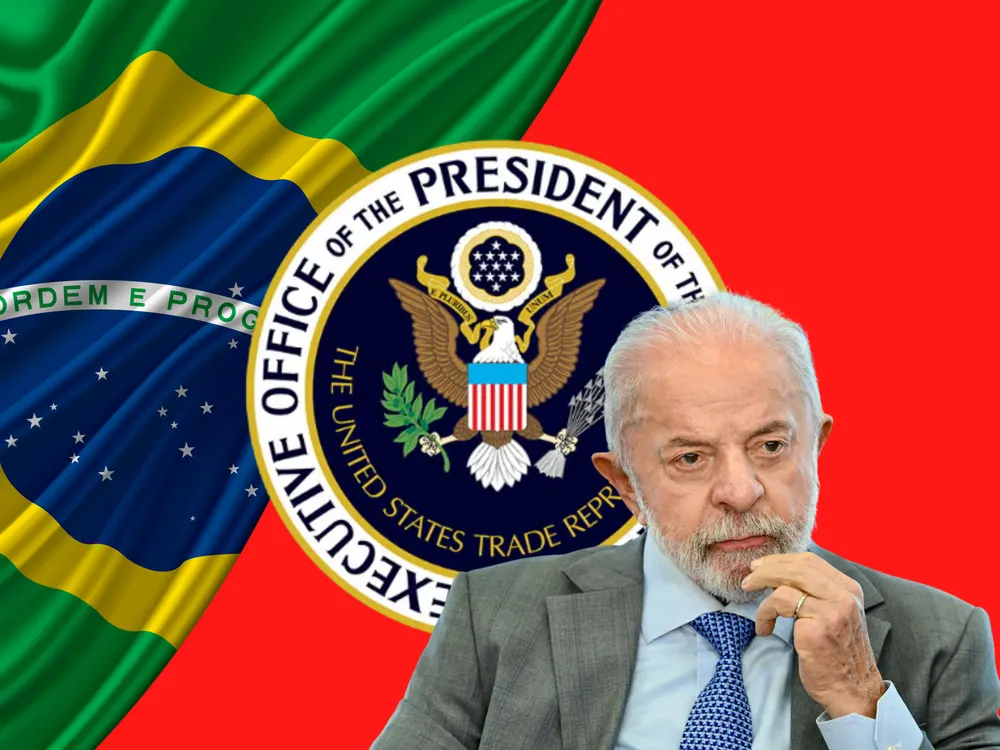
WASHINGTON, D.C. — The Office of the U.S. Trade Representative finalized a 25% tariff on a broad range of Brazilian goods on July 15, concluding a yearlong Section 301 investigation into what Washington calls a pattern of unfair trade practices. The tariff takes effect July 22.
In a post on X announcing the action, the office of the U.S. Trade Representative framed the decision around a list of “unreasonable acts, policies, and practices” it says have disadvantaged American producers for decades. Illegal deforestation featured prominently: USTR cited data showing that 91% of Amazon deforestation between 2023 and 2024 involved illegal logging, and argued that illegally sourced timber has depressed global prices for legally harvested U.S. wood products by an estimated 7% to 16%.
The agency also flagged reports that some sub-national Brazilian governments have rolled back incentives meant to discourage deforestation, and pointed to a broader set of grievances — digital trade and electronic payment restrictions, preferential tariffs, anti-corruption enforcement, intellectual property protection, and ethanol market access — that the investigation examined over the past year.
Ambassador Jamieson Greer, in the official USTR statement, tied the action to President Trump’s “America First” trade agenda, citing Brazilian measures against U.S. technology companies and what he described as Brazilian farmers gaining an advantage from illegally logged land.
Greer said the U.S. remains open to further negotiations despite the impasse.
The measure carries significant exemptions: coffee, beef, orange juice, oranges, aircraft parts, and certain energy and metal products are excluded, along with more than 1,600 tariff-line exceptions covering critical goods not readily sourced elsewhere. Sugar, agricultural machinery, apparel, electrical machinery, paper, and steel are among the categories that will face the new duty.
The action replaces an earlier, more sweeping 50% tariff that Trump imposed last year under a separate legal authority — a move widely read as retaliation for Brazil’s prosecution of former President Jair Bolsonaro, who was later convicted and sentenced to 27 years for attempting to overturn his 2022 election loss.
The Supreme Court struck down that broader tariff program in February, finding Trump had exceeded his authority under the law he’d invoked, leaving only a global 10% baseline tariff in place. USTR’s Section 301 process, the mechanism used in this latest action, is being pursued as a more legally durable substitute across dozens of countries under investigation.
President Luiz Inácio Lula da Silva rejected the tariff as groundless, saying Brazil would pursue countermeasures under its domestic reciprocity law and raise the matter through the World Trade Organization’s dispute settlement process. He noted that the U.S. has run a cumulative $424.5 billion goods-and-services trade surplus with Brazil over the past 15 years.
Secretary of State Marco Rubio responded on X that Lula’s government had failed to negotiate in good faith, framing the tariffs as the cost of prioritizing politics over a resolution.
The dispute lands squarely in Brazil’s domestic political calendar: Lula faces a competitive re-election fight in October against Flavio Bolsonaro, son of the convicted former president, and has accused the senator of encouraging the tariffs during a recent Washington visit — a claim Flavio denies.
A separate USTR forced-labor investigation covering Brazil and dozens of other countries is due to conclude within days and could add another 12.5% duty, which would bring Brazil’s total tariff burden to 37.5%.
Sociedad Media will continue to monitor any new developments in trade relations between the United States & Brazil
For decades, Brazil’s unreasonable acts, policies, and practices have harmed U.S. commerce, including by unfairly advantaging Brazil’s producers over their American competitors and by restricting access to one of the world’s top export markets. For example:
— United States Trade Representative (@USTradeRep) July 16, 2026
Illegal… pic.twitter.com/58WX433MO5