

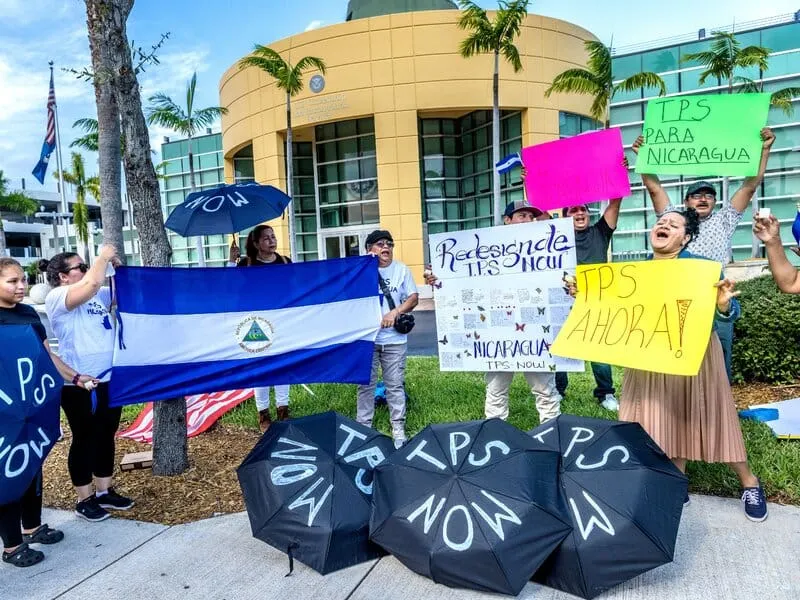
MIAMI — The U.S. Department of Homeland Security confirmed on Tuesday, August 18, that Temporary Protected Status (TPS) terminations for all designated countries, including Honduras, are now formally in effect — ending a program that had shielded tens of thousands of Honduran nationals from deportation for more than two decades.
DHS Statement
DHS’s statement, posted to social media, was blunt:
“ALL TPS terminations are now IN EFFECT. Those with TPS terminated should leave NOW. If they don’t, we will DEPORT them.”
The announcement follows a long legal battle: the Trump administration first announced Honduras’s TPS cancellation in July 2025, initially setting September 8, 2025 as the termination date. That decision was challenged in court, producing months of shifting legal orders and uncertainty for beneficiaries. A turning point came June 25, 2026, when the U.S. Supreme Court ruled in favor of the administration in a related case involving TPS terminations for Haiti and Syria.
In April 2026, the Ninth Circuit Court of Appeals declined to reconsider the matter further, keeping the appeals process on hold pending related TPS litigation before the Supreme Court — leaving Honduras’s termination in effect despite the ongoing legal challenges.
How Many People Are Affected
Figures vary depending on the source. The U.S. government has estimated approximately 72,000 Honduran nationals held TPS status, while organizations tracking the program put the number of people actually affected by the termination closer to 50,000.
Honduras originally received TPS designation after Hurricane Mitch devastated the country in 1998, and the protection had allowed thousands of Hondurans to live and work legally in the United States for more than two decades since.
What Termination Actually Means — and Doesn’t
The end of TPS does not mean automatic deportation for everyone who previously held the status. What it does mean is the loss of the specific deportation protection and work authorization that TPS provided, for anyone who doesn’t have another independent legal basis to remain in the country.
Honduras’s Foreign Ministry, in guidance updated this year for affected citizens, has been explicit on this point: individuals with permanent residency, a pending asylum application, a family-based immigration process, an employer petition, or any other authorization independent of TPS should continue to be governed by the terms of that separate process — TPS termination doesn’t override those other pathways.
At the same time, Honduran officials caution against assuming the reverse is automatically true either: having held TPS for years does not, on its own, create a right to permanent residency, but it also doesn’t prevent someone from potentially qualifying for a different immigration mechanism based on factors like family ties, length of time in the United States, or individual circumstances.
Statement From Honduras Government
Honduras’s government has published a formal guide for citizens affected by the change, and its central recommendation is consistent: consult with qualified immigration legal counsel to determine whether any alternative exists that would allow continued legal presence in the U.S., before considering a return to Honduras.
Officials have stressed that each case should be individually reviewed, since eligibility for any alternative path depends heavily on personal circumstances that vary case by case.
The Honduran government has also said it requested an orderly transition process from the United States, and has publicly attributed the TPS termination to a broader U.S. immigration policy shift dating back to 2018, spanning both the current and prior Trump administration.
Honduras’s Foreign Ministry has acknowledged that not everyone previously protected by TPS will necessarily face an immediate return, given how varied individual cases are, and said the government is preparing for a possible increase in returning nationals as a result of the policy change.
A Reminder That Legal Status for Some Remains Unaffected
For Honduran TPS holders based in states like Florida, where the community is especially large, immigration attorneys have continued to emphasize monitoring official USCIS announcements directly, since court challenges and potential future legislative action could still affect the program's trajectory even now that termination is formally in effect.
The core message from both Honduran officials and immigration law practitioners remains the same: individual legal status varies significantly, and no beneficiary should assume their specific situation mirrors the general policy announcement without professional review.
With DHS’s enforcement posture now explicit and public, the practical stakes for the roughly 50,000 affected Hondurans are immediate. Anyone without an independent legal basis to remain in the U.S. faces a genuinely urgent decision window, while those with other pending immigration processes should continue following the requirements specific to those cases.