

MIAMI - The General Confederation of Labor, the nation’s largest labor union, which also serves as an umbrella force representing workers in several industry sectors, declared a 24-hour nationwide strike to coincide with Argentina’s scheduled Congressional debate over a proposal from President Javier Milei to implement new labor reforms.
Amid sweeping budgetary cuts by the self-described “anarco-capitalist” and libertarian economist, Javier Milei has attracted the ire of Argentina’s liberal establishment and Peronist factions, named after the ideological forebear to Argentine populism that has been rooted in social justice and economic self-reliance during the 21st century, in a self-mutilating attempt to fend off the neoliberal policy agenda exerted by the international community in Latin America.
On Feb. 12, Milei’s labor reform bill cleared the Argentine Senate and will now make its way through the Chamber of Deputies’ Labor Legislative Committee for final debate.
The CGT, according to local reports, has ruled out a march on Congress, instead opting for a 24-hour strike in a bid to leverage its 7,000,000-member army to push for a more broad-sweeping shutdown across various sectors.
The CGT is now relying on a major endorsement from the UTA (Argentina’s bus transport union) for support for the anticipated strike, with a date that is yet to be determined, subject to the parliamentary timetable.
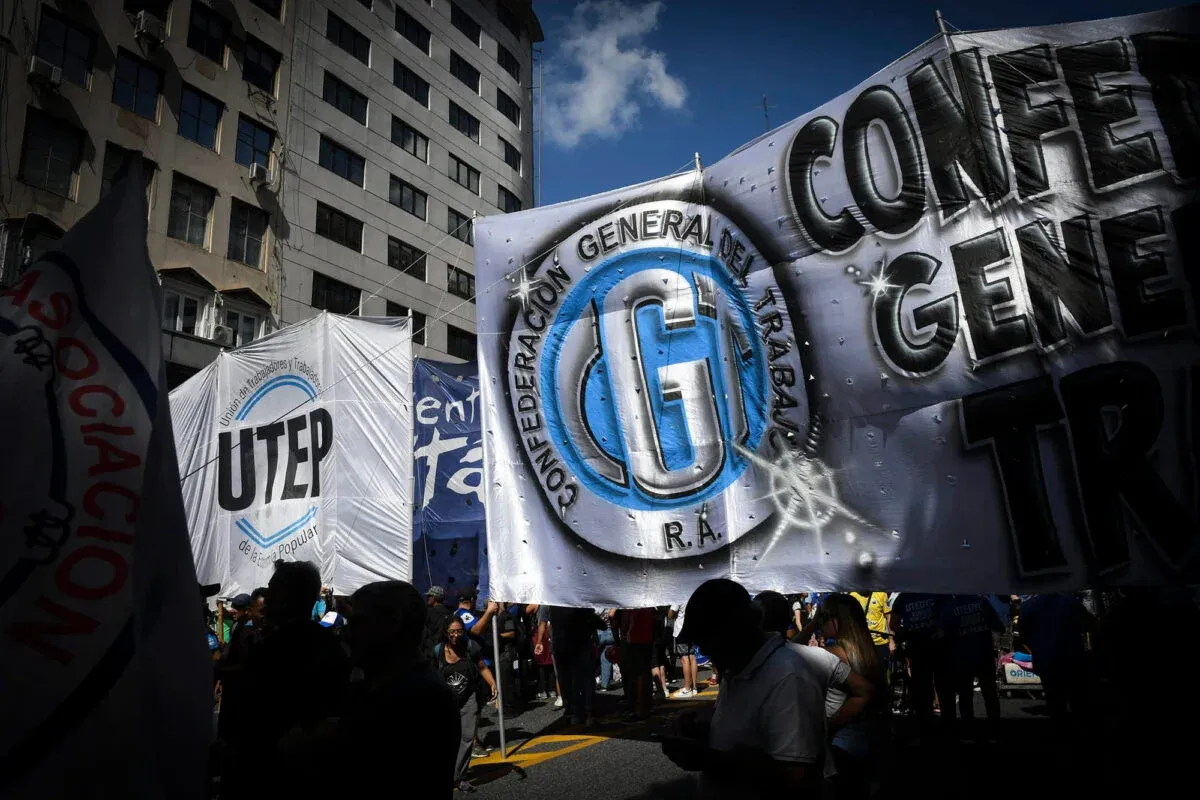
President Milei’s reform bill, which is the administration’s most recent batch of proposed budgetary cuts, is being marketed as a sweeping “labor modernization” campaign by the government.
Some of the items attached to the bill have stirred controversy among the nation’s deeply rooted labor organizations. The items subject to parliamentary debate include allowing for 12-hour work shifts that are compensated with time off rather than overtime pay; severance reform, which will reduce employer costs; and further restrictions on the right to labor strikes.
🚨🇦🇷 | AHORA/SOUTH AMERICA: Argentina’s largest labor union, General Confederation of Labor (CGT), declares a 24-hour nationwide strike over President Javier Milei’s new labor reform bill, which rolls back unemployment benefits and strike rights, and an extension to the day’s… pic.twitter.com/TomI3p3HrH
— Sociedad Media (@sociedadmedia) February 16, 2026


