

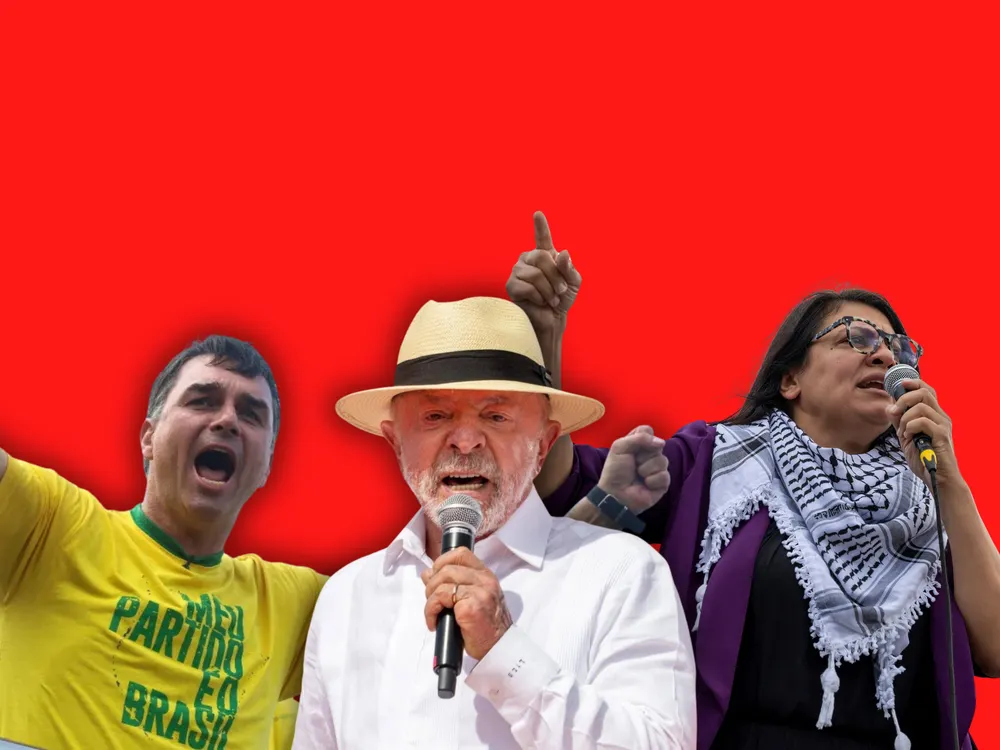
Sociedad Media’s Monday newsletter features three stories focusing on Democracy: Brazil’s presidential election & the internal struggle for the Democratic party in South Florida as Democratic Socialists of America (DSA) candidates barnstorm Fort Lauderdale & Miami.
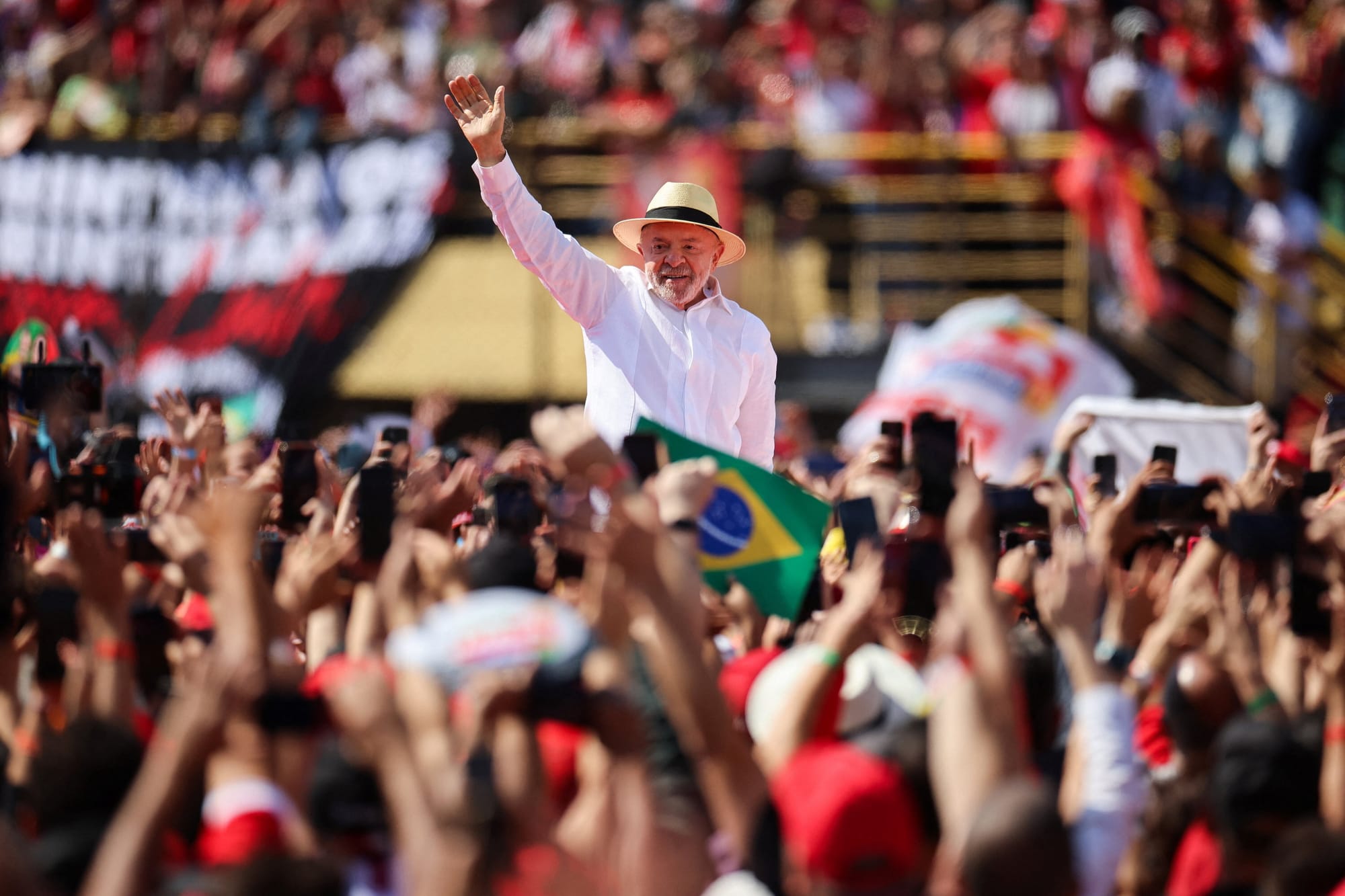
Brazil’s Election Tightens Fast as The Region Watches How Washington Plays It
MIAMI — With Brazil’s official campaign period now underway and the October 4 vote approaching, Lula’s runoff lead over Flávio Bolsonaro has narrowed to a statistical tie amid a fierce fight over U.S. tariffs, Bolsonaro family drama, a race whose outcome will help determine how far Latin America’s rightward realignment reaches the region’s largest economy.

Democratic Socialists Storm South Florida: A Rally, the DSA & a Primary Election To Shape November
MIAMI — A DSA-backed challenger’s campaign for South Florida’s newly redrawn 25th District, headlined by a rally featuring Rep. Rashida Tlaib, is testing how far the party’s leftward momentum extends into a district now stretching directly into Miami-Dade for the first time.
The venue’s last-minute cancellation, followed by a candidate’s stage remark accusing critics of “a campaign of Islamophobia” designed to “excuse AIPAC’s corrupting influence,” has exposed a deepening rift within the Democratic Party over Israel policy just days before the primary — turning a local congressional race into a national flashpoint over the direction of the party’s left flank.
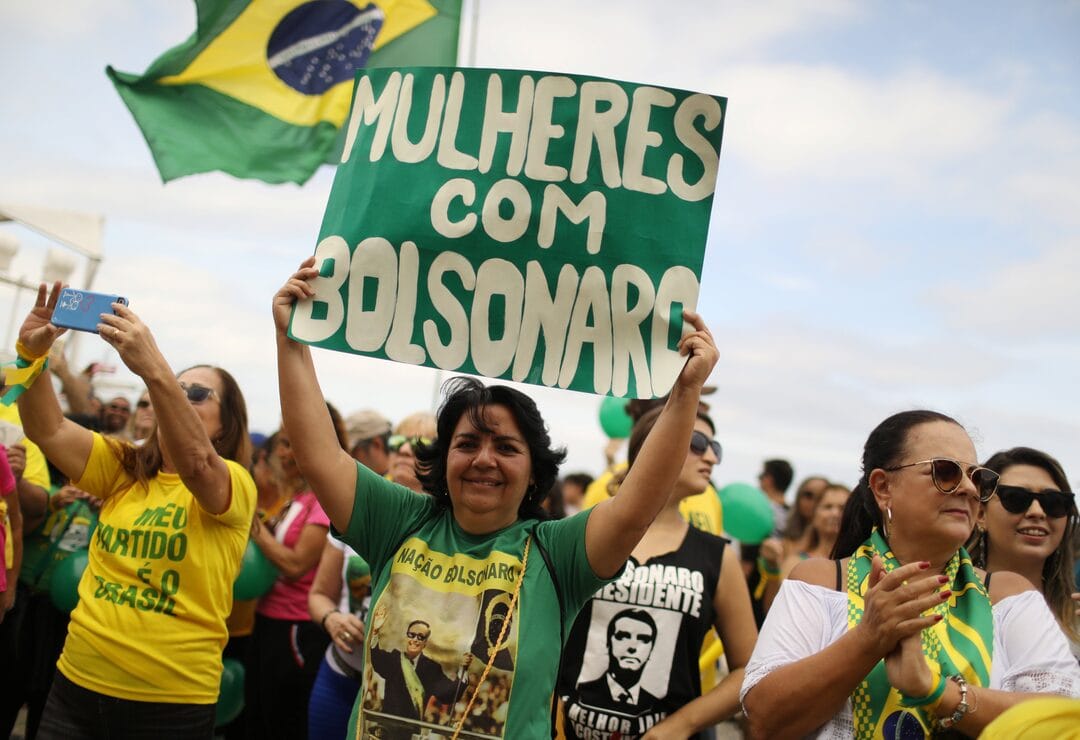
Brazil’s Presidential Candidates Fight For Valuable Voting Bloc: Women
BRASÍLIA — Lula and Flávio Bolsonaro both pivoted toward women voters — 53% of Brazil’s electorate — at their campaign launch rallies, with Lula pledging a formal platform on education and preventing violence against women within 10 days, while Flávio, flanked by his mother and wife, made his own pledge to combat gender-based violence.
The stakes are real: Brazil logged 1,558 femicides in 2025 and an average of four women killed daily, a crisis both campaigns' rhetoric carries as much political calculation as policy substance to address.