

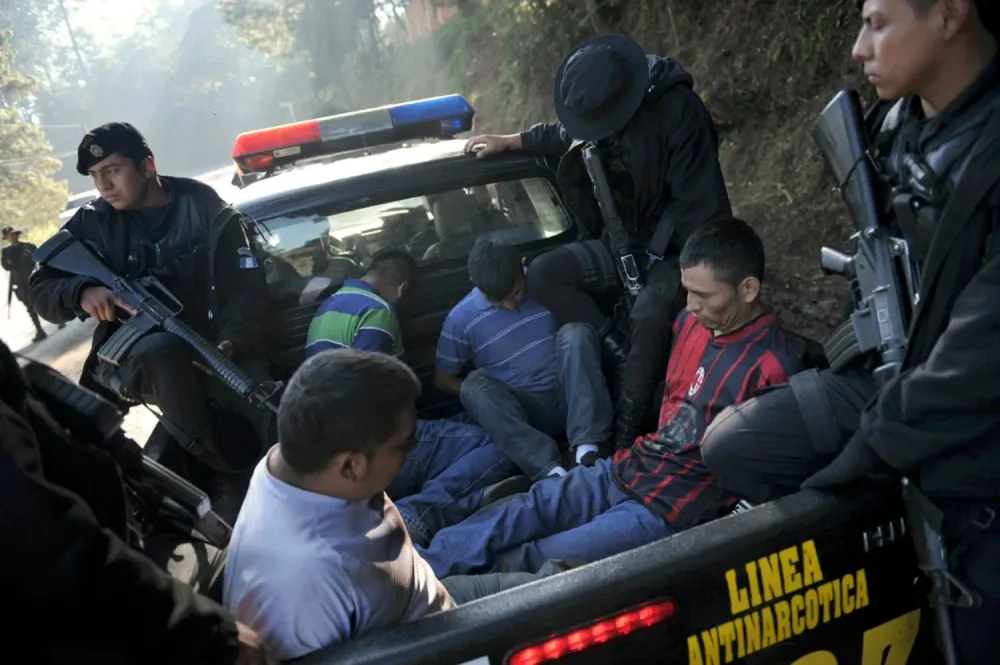
GUATEMALA CITY — Guatemala is experiencing its deadliest stretch of gang violence in years, with 147 people killed in just the first 14 days of August alone — an average of more than 10 victims a day — as a territorial war between the country’s two largest gangs and a powerful narco-trafficking structure spreads from the capital into municipalities across the country.
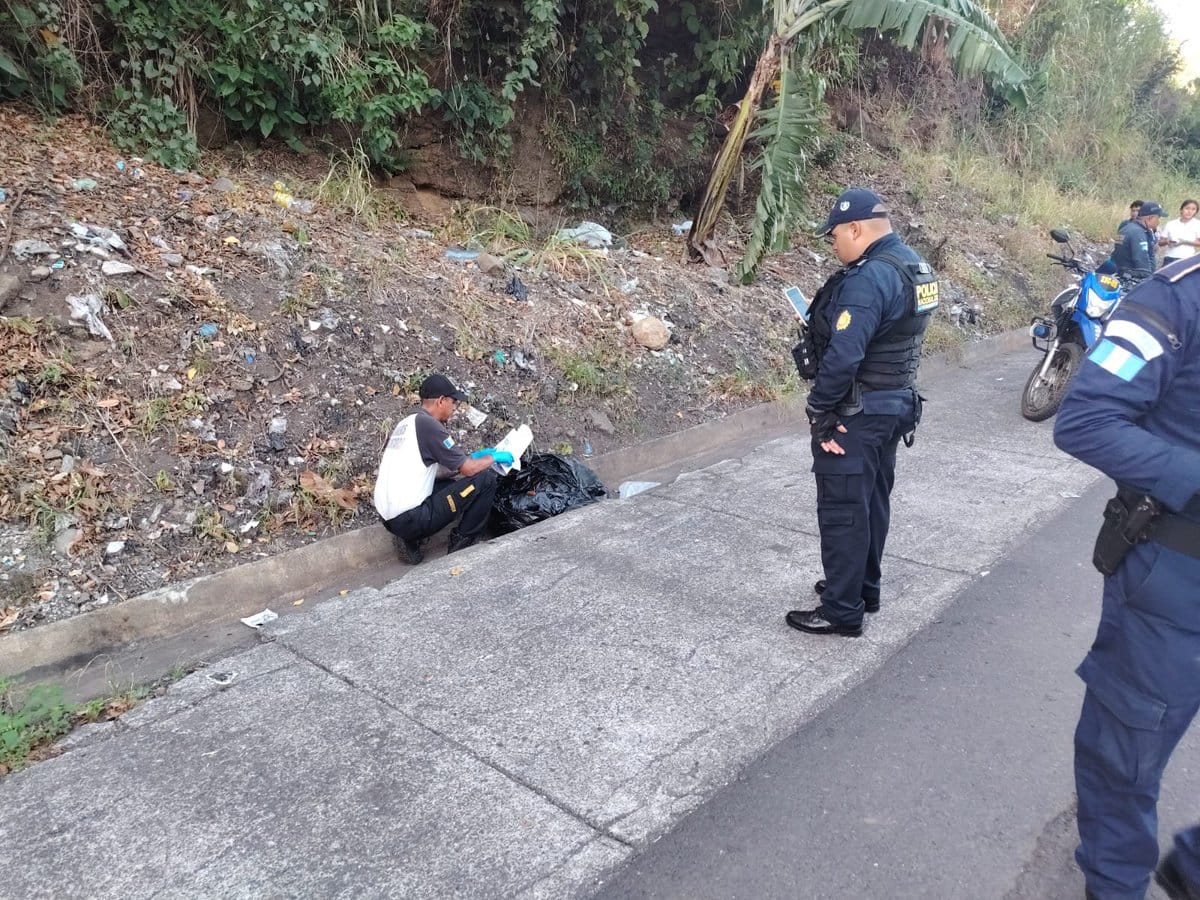
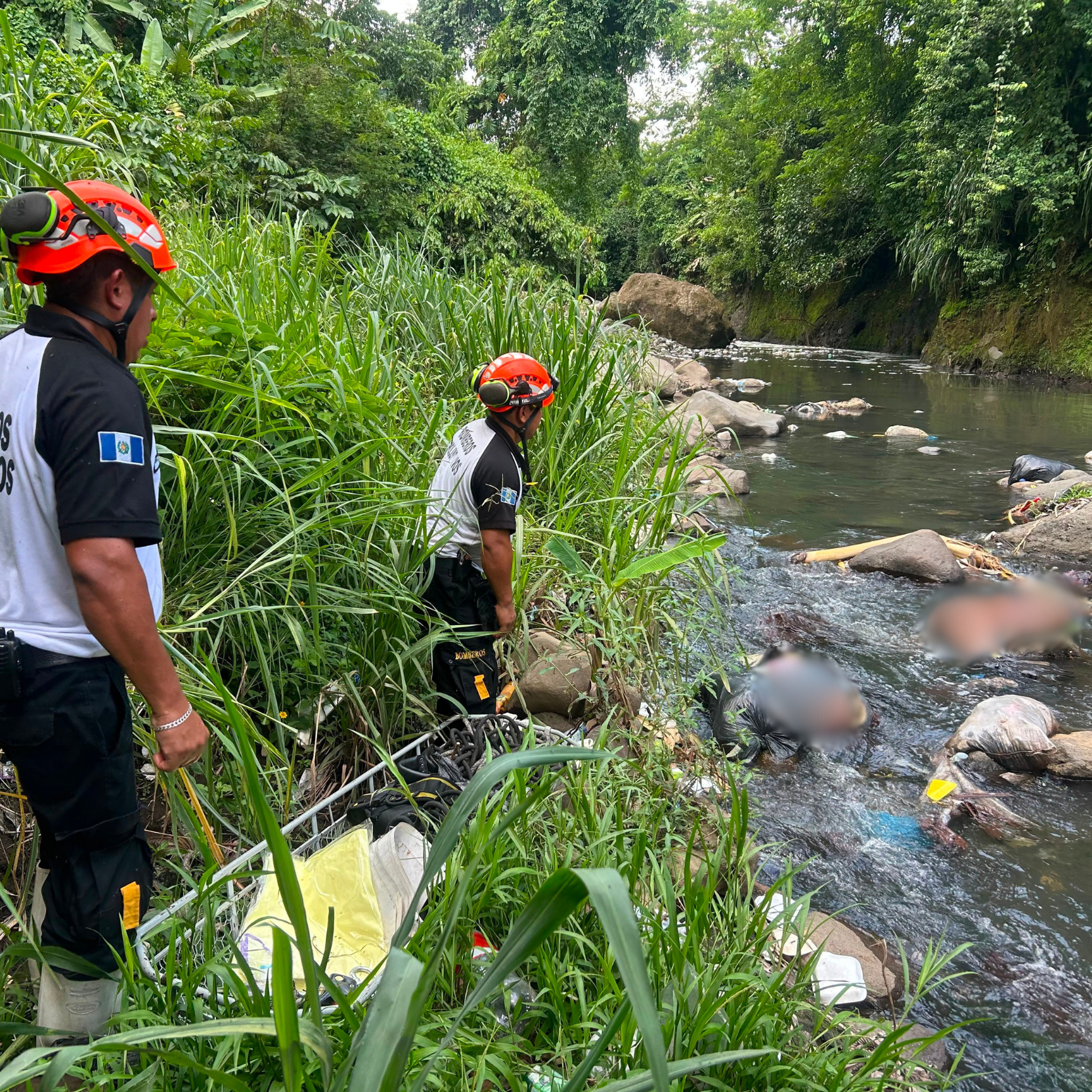
Guatemala’s National Institute of Forensic Sciences (Inacif) confirmed the 147 deaths recorded between August 1 and 14, including 24 women, describing many victims as having been abandoned in public spaces wrapped in plastic bags. The figure builds on an already violent year: authorities recorded 1,437 homicides between January and June, and a further 312 violent deaths in July.
At least 31 bodies have been found so far in 2026 wrapped in sheets, sacks, or plastic — a method security analysts have specifically linked to the gang conflict now underway.
How the War Started
The current violence traces back to 2024, when the Mara Salvatrucha (MS-13) broke a longstanding alliance with Los Caradura, a narco-menudeo — street-level drug distribution — structure led by the Domínguez Higueros brothers, and began seizing Los Caradura’s territory in Guatemala City.
Security analyst and former Deputy Interior Minister Julio César Rivera Clavería described the shift in scale directly: “We’re no longer talking about a limited space, but the entire national territory, where Barrio 18 and Mara Salvatrucha, including ‘Los Caradura,’ are bringing violence to levels we haven’t known as a society.”
Los Caradura had built significant influence over the years through strategic alliances with both major gangs and, according to security officials, with government structures compromised by corruption — allowing the group to accumulate formal businesses and real estate alongside its criminal operations.
As MS-13 has taken market share from Los Caradura, the latter has struggled to match MS-13’s production, packaging, and distribution capacity, built over years by the Domínguez Higueros brothers specifically.
Why This August Is Especially Dangerous
Guatemala’s National Civil Police (PNC) had explicitly forecast an escalation around the anniversary of the “Pacto del Sur” collapse, a prior gang truce whose breakdown fell on or around August 15-16.
Deputy Director General of Criminal Investigation, José Macario Cornel Santos Cornel, said investigators had already mapped gang movement toward municipalities south of Guatemala City and into Santa Rosa department, concentrated in Villa Canales, Villa Nueva, and the corridor connecting Fraijanes,
San José Pinula, and Santa Rosa, particularly the El Cerinal area. Authorities said they had identified specific houses being used to dismember bodies as part of their operational intelligence, incorporating that information into deployment plans aimed at anticipating further violence.
The Government’s Response
This is not Guatemala’s first major security crisis of 2026. On January 17, inmates staged coordinated uprisings across three prisons nationwide, taking more than 40 guards hostage; the following day, after gangs killed seven police officers in apparent retaliation for rescue operations, President Bernardo Arévalo declared a 30-day state of siege.
Authorities regained control of the prisons shortly after and used the emergency powers to carry out thousands of arrests, including more than 80 alleged gang members.
An armed gang member & extortionist shoots at a local business in Escuintla, Guatemala. His body was later found on the side of the road in plastic bags in Escuintla department on August 21, 2026. Source: X
Guatemala’s Interior Ministry has since reported 31 gang structures dismantled in 2026 and stated explicitly that the government “is not willing to negotiate, much less give in to any demand from these criminal groups that have operated with total impunity for decades.”
A Cross-Border Criminal Ecosystem
Investigations by Guatemala’s National Civil Police have found the gang conflict is no longer confined to Guatemala City or even to domestic actors. Police intelligence identified Jorge Yahir de León Hernández, alias “El Diabólico,” a Mara Salvatrucha leader captured in August 2025 with roughly $25,000 in cash, as having strengthened alliances with gang members in El Salvador to expand MS-13’s operations in Guatemala.
Investigators separately found gang members entering Guatemala from Honduras and El Salvador specifically to carry out armed attacks and protect drug distribution points, in some cases using falsified documents or the identities of deceased individuals to conceal their true identities.
Minors Increasingly Drawn Into the Violence
Guatemala’s PNC reported this week that 608 adolescents, most between ages 15 and 17, had been referred to courts in 2026 for crimes including contract killing (sicariato), extortion, murder, drug offenses, and illegal weapons possession.
Deputy Security Minister Estuardo Roberto Solórzano said authorities have “encountered children and adolescents who are getting involved in the issue of contract killing, and also in gangs.”
Police spokesperson Jorge Aguilar Chinchilla identified that age group specifically as vulnerable to gang recruitment, and said the problem is compounded in households where other family members already have ties to criminal activity.
In response, police have expanded a school-based prevention program called GREAT (Gang Resistance Education and Training) as part of a broader Safe Schools strategy, including outreach to students, parents, and school administrators.
With the government maintaining its no-negotiation stance and continuing to report gang structures dismantled through ongoing operations, the fundamental territorial dispute driving the violence — control over Guatemala’s narco-menudeo distribution networks — remains unresolved.
Whether the coming weeks bring a de-escalation from the anniversary-driven surge police anticipated, or a further spread of the conflict into additional departments, is likely to depend on how effectively security forces can disrupt the underlying distribution and recruitment networks now extending across Guatemala’s borders with Honduras and El Salvador.