

Our Wednesday Sociedad Media Now newsletter on the region’s most pressing security issues, including the challenges facing Colombia’s upcoming presidential election, the remilitarization of Paraguay to combat rising multinational drug trafficking groups, and Brazil’s crime epidemic months before its own high-stakes presidential race.
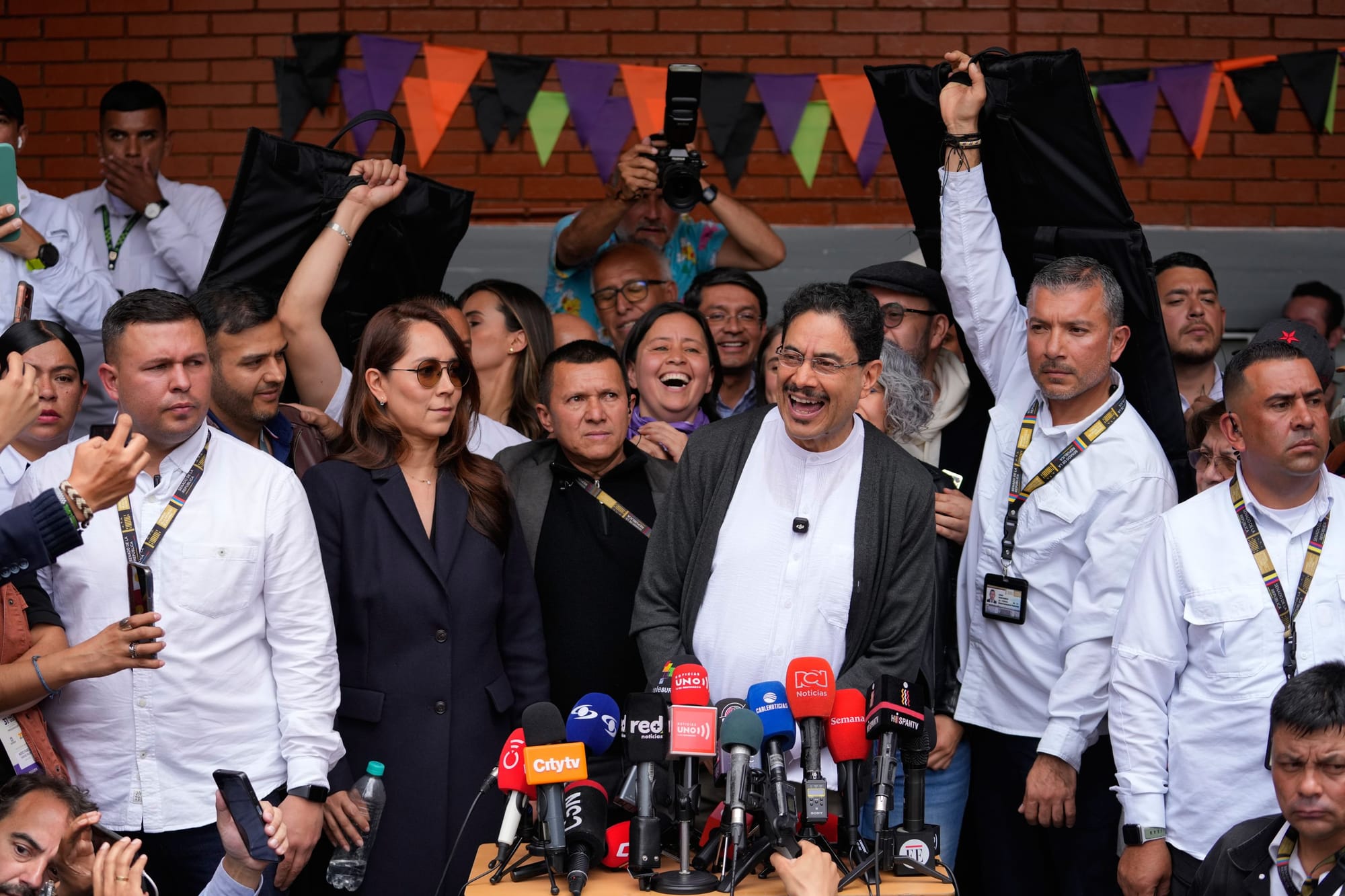
FARC Dissidents Bomb Colombian Police Station as Armed Groups’ Shadow Hangs Over June 21 Runoff
With the June 21 runoff three weeks away, Colombia’s security landscape is deteriorating in ways that cut directly to the heart of the campaign — FARC dissidents detonating a car bomb near a police station in Cauca, Colombia’s most powerful drug lord threatening violence against “warmongering sectors,” and the ELN accused by former President Uribe of pressuring rural communities to vote for Iván Cepeda, allegations the group denied and Cepeda himself publicly rejected — as international observers warned that in parts of the country, the election will take place in a context of violence, threats, and population displacement.
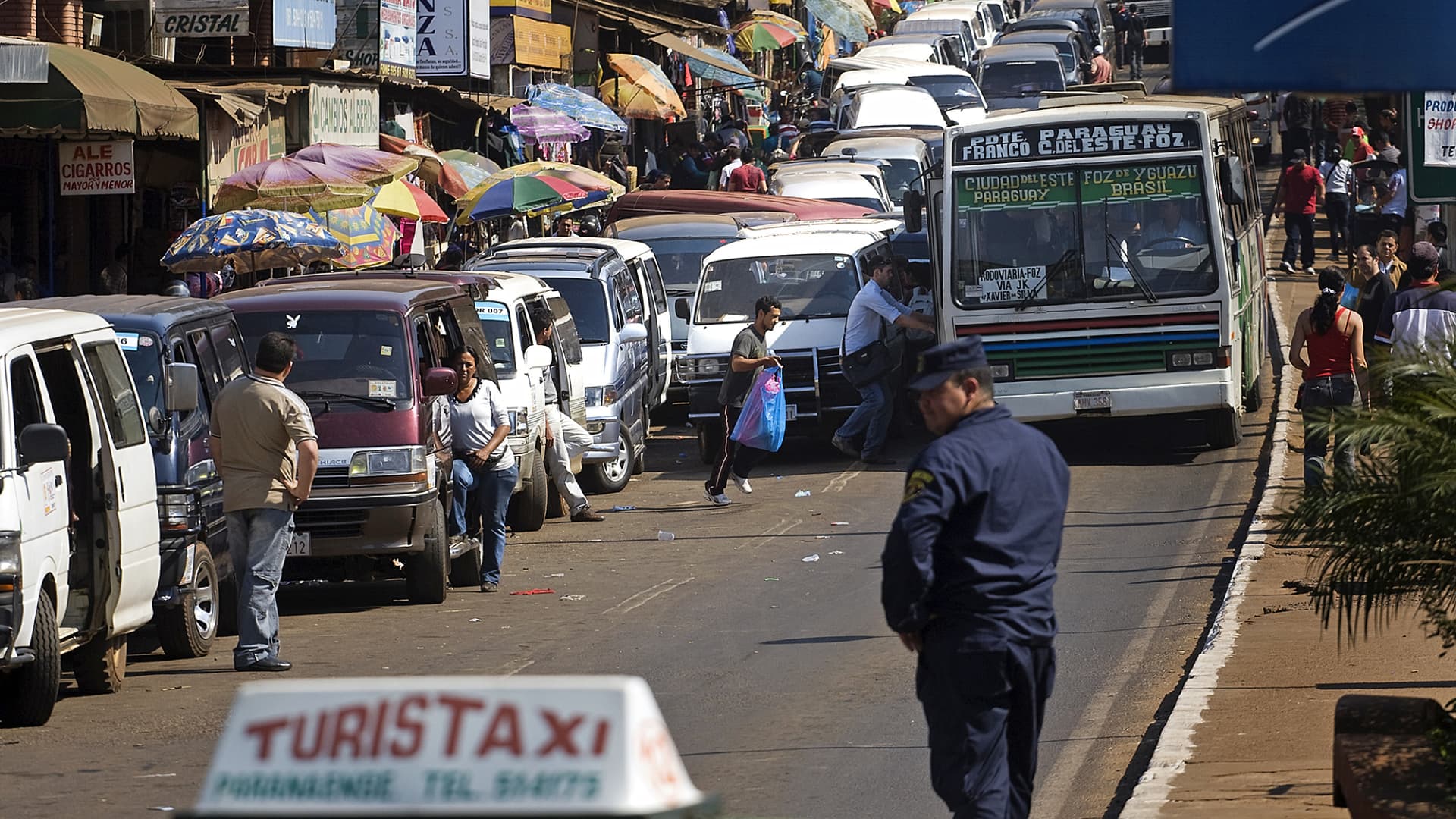
Paraguay Is Militarizing Its War on Organized Crime — and Washington Is Arming It to Do So
ASUNCIÓN — Eight months before Washington moved, Paraguay designated the PCC and Comando Vermelho as terrorist organizations — and has since signed a Status of Forces Agreement with the U.S., authorized the entry of American military personnel, received 150 armored vehicles, and conducted joint military operations that seized nearly $19 million from narcotrafficking organizations along the Brazil-Paraguay border corridor, positioning the small landlocked nation as the southern anchor of Washington’s regional counter-organized crime architecture at precisely the moment the PCC and CV’s June 5 FTO designation created a synchronized legal framework between the two countries.
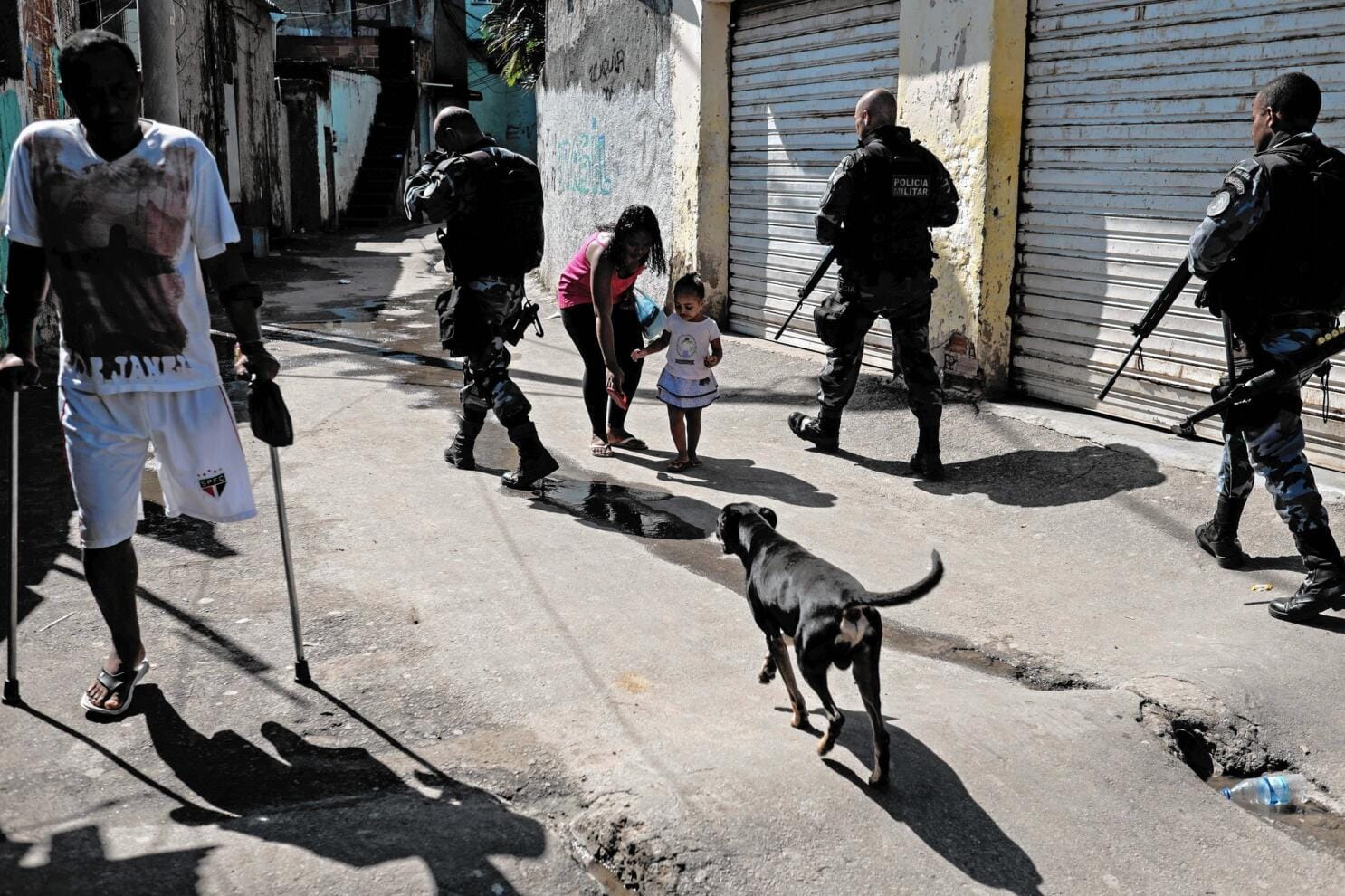
Brazil’s Homicide Rate Is Falling. Its Crime Problem Is Not
Brazil recorded its lowest homicide rate in over a decade in 2025 — 34,086 murders, down 25% over five years — but extortion, cybercrime, police killings, and a record number of disappearances all rose in the same period, while PCC and CV cells expanded operations across 12 U.S. states, prompting Washington to designate both organizations as foreign terrorist organizations on June 5 in a move Brasília called electoral interference and analysts called a belated recognition that Brazil's most powerful criminal organizations had become less visibly violent by becoming more structurally embedded and internationally expansive.


