

Our Thursday Sociedad Media Now newsletter on developing economic and political constraints in Peru & Puerto Rico’s migration concerns.
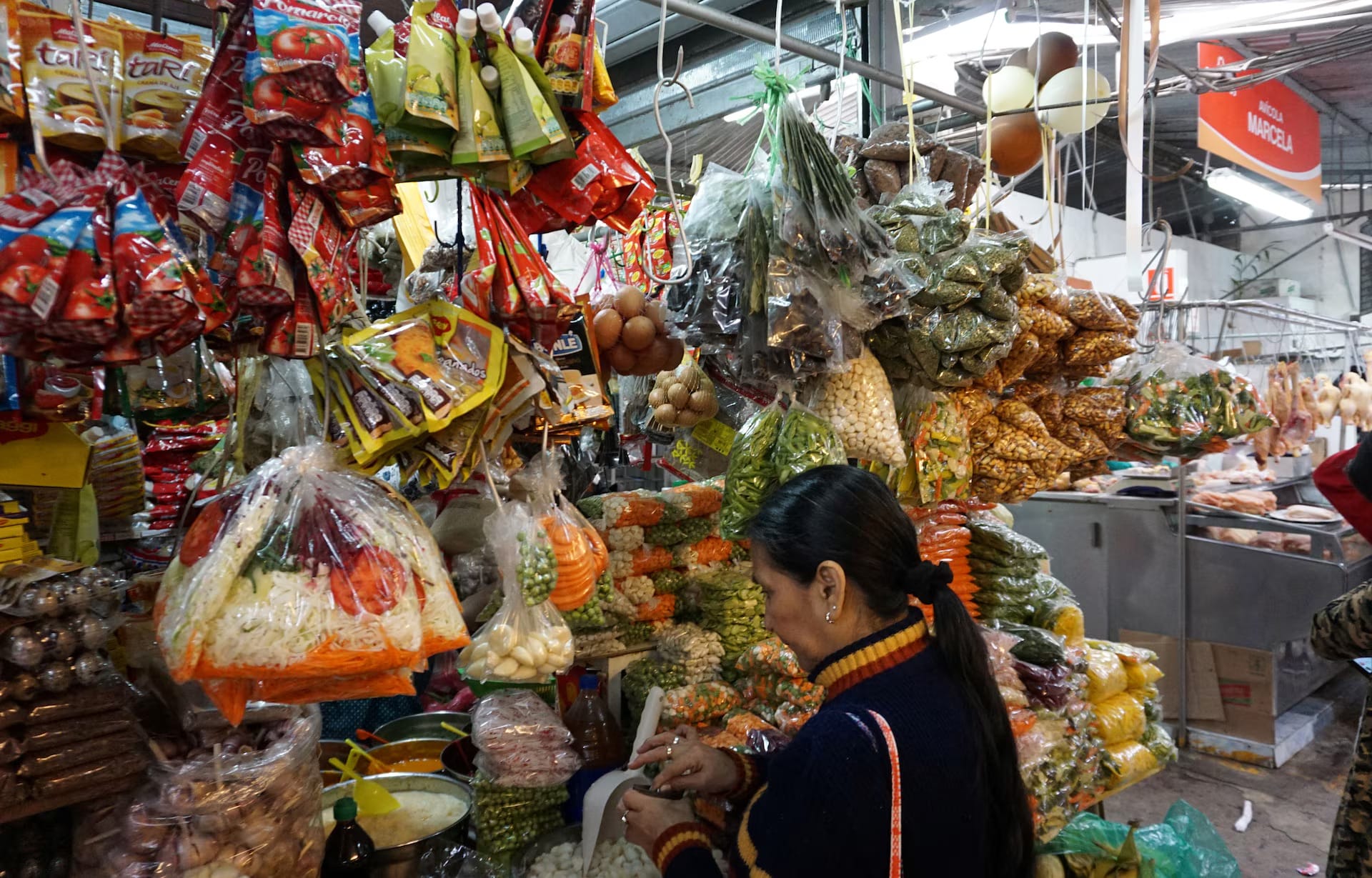
Peru’s Two Realities: Record Metal Prices, a Security Emergency & an Economy Slow To Bloom
LIMA, PERU — Peru enters the second half of 2026 as a study in contrasts: gold and copper trading near record prices, growth forecasts revised upward, and yet metallic mining output barely moving despite the windfall.
Meanwhile, Pisco province just entered its second state of emergency of the year over extortion and homicide, part of a national crisis touching an estimated six million Peruvians — a reminder that Peru’s informal, under-taxed economic model may be feeding the very crime wave now overwhelming its provinces, a tension president-elect Keiko Fujimori inherits the moment she takes office July 28.
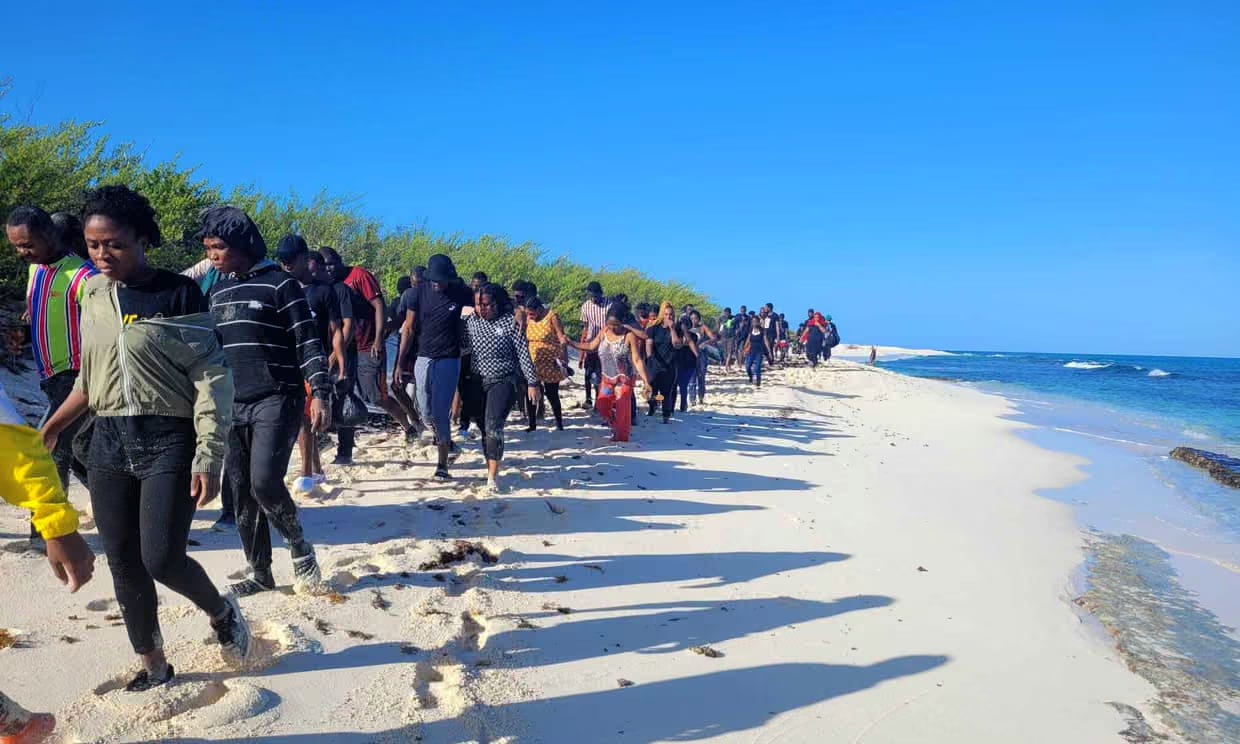
An Island Shrinking: Puerto Rico’s Labor Crisis as Migration Squeezes Wages
PUERTO RICO — Federal agents apprehended 37 undocumented migrants off the coast of Puerto Rico in a single day this July 20, part of a broader pattern of maritime interdictions throughout the year.
Beneath the enforcement headlines lies a deeper economic story: as low-skilled Puerto Ricans leave the island in large numbers for the mainland, low-wage migrant labor from the Dominican Republic, Haiti, and elsewhere may not be actively suppressing wages so much as quietly filling the gap they leave behind — keeping wages stagnant rather than letting them rise, even as the migrants themselves remain a notably disadvantaged population.


