

Our Monday Sociedad Media Now newsletter features the latest in a new week of developments across Latin America & the U.S.
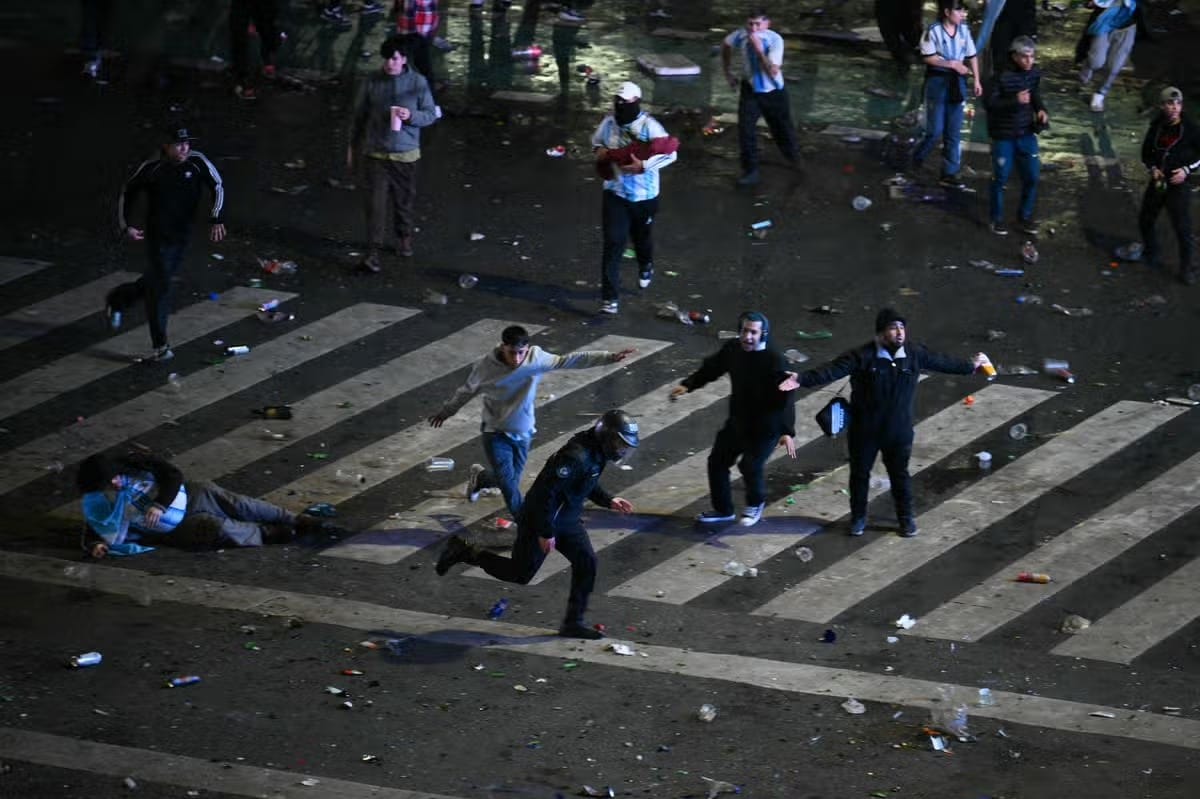
A Night of Riot at Buenos Aires’s Obelisk Following Argentina’s World Cup Final Loss to Spain
BUENOS AIRES — Fans clashed with riot police at Buenos Aires’s Obelisk hours after Spain beat Argentina 1-0 in extra time to win the World Cup final — a contentious match that saw two Argentine players sent off and ended with a post-whistle scuffle between Leandro Paredes and Spain’s players.
At least 15 people in Buenos Aires were arrested as officers used tear gas, rubber bullets, and water cannons to disperse crowds throwing rocks and bottles, echoing a near-identical scene after Argentina’s 2014 final loss to Germany at the same monument.
Despite the defeat, President Javier Milei declared a national holiday to honor the team's run, a decision that sparked debate over celebrating a runner-up finish.
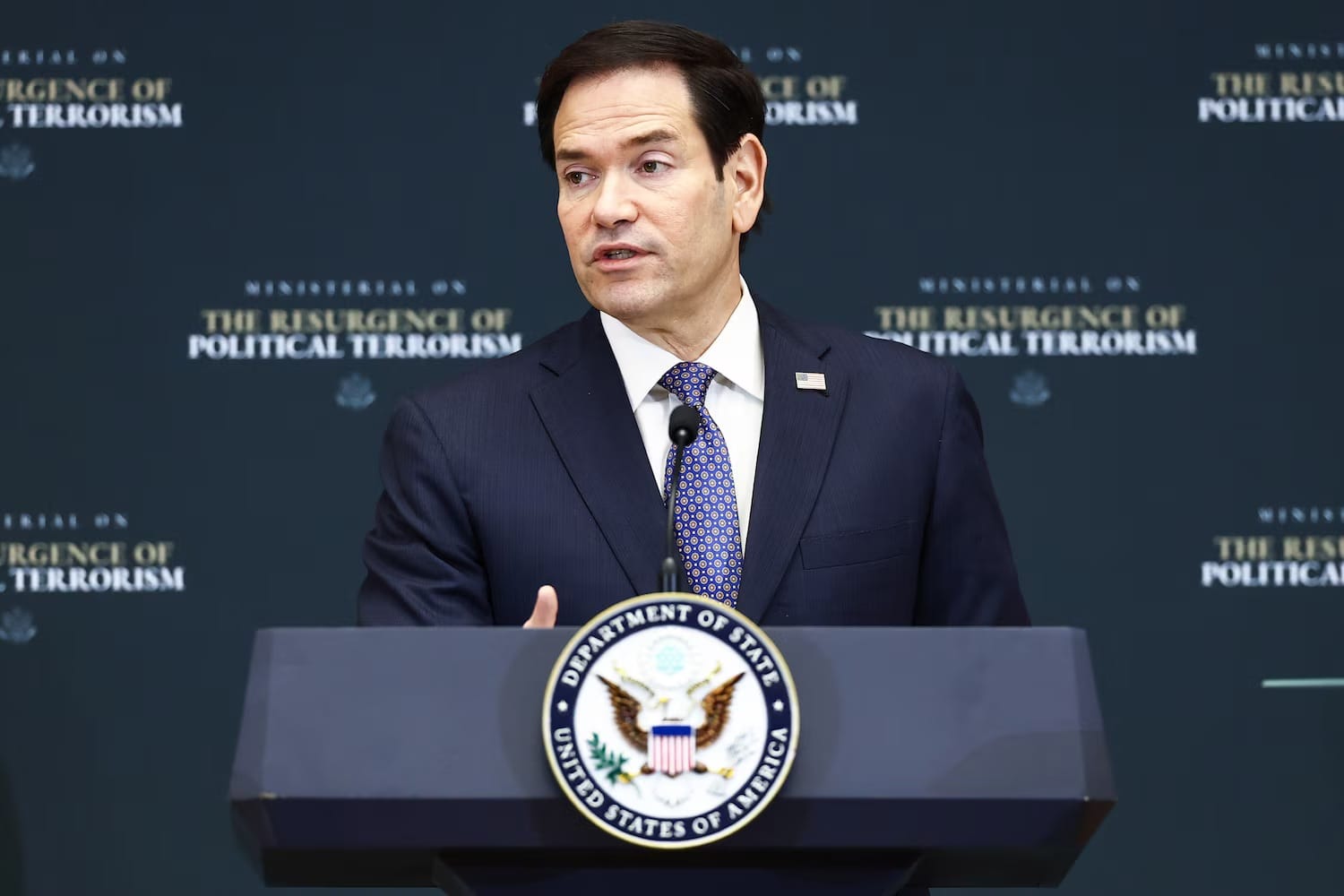
Rubio Names Cuba as Architect of the American Left In New Report as State Department Warns of Rise of Communism
MIAMI — A newly published 100-page State Department report, “Cuba: The Capital of 21st Century Communism,” and Secretary Rubio’s speech at a global counterterrorism ministerial formalize an argument the administration has been building for months — that Havana isn’t just a hostile government 90 miles from Florida, but the ideological architect behind decades of American far-left activity, from the Black Panthers and Weather Underground to Antifa and groups like Code Pink.
Drawing on cases like Ana Montes and Victor Manuel Rocha, the report frames Cuba’s true danger as never having been military, but ideological — and positions the island as a connective hub linking Russian, Chinese, and Iranian interests with movements inside America’s own borders.
Click here for the Cuba Report:
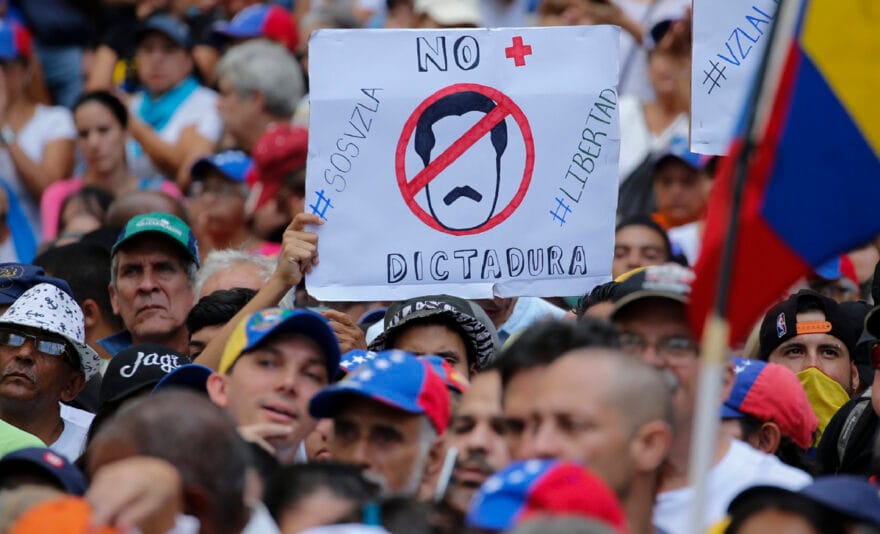
Major Breakthrough In Negotiations For Democratic Transition In Venezuela With Rubio To Play Active Role
CARACAS — Six months after Maduro’s capture, Venezuela’s political transition is finally taking shape — built on a joint reconciliation agenda between the country’s two rival National Assemblies, backed explicitly by Washington.
But the process has excluded opposition leader María Corina Machado and President-elect Edmundo González Urrutia, even as Secretary of State Marco Rubio’s role expands to include oversight of Venezuela’s oil revenue and direct contact with acting leader Delcy Rodríguez — raising the question of whether this produces the “free, fair, prosperous, and friendly Venezuela” Rubio has promised, or a negotiated arrangement between elites that sidelines the country’s most credible democratic mandate.


