

LIMA, PERU — Susy Isabel Aponte Polo, a Peruvian journalist and candidate for the regional governorship of Áncash, was shot dead on Saturday during a campaign event in the city of Caraz — just nine days after she publicly warned that she had received threats against her life and named a senior police official as responsible.
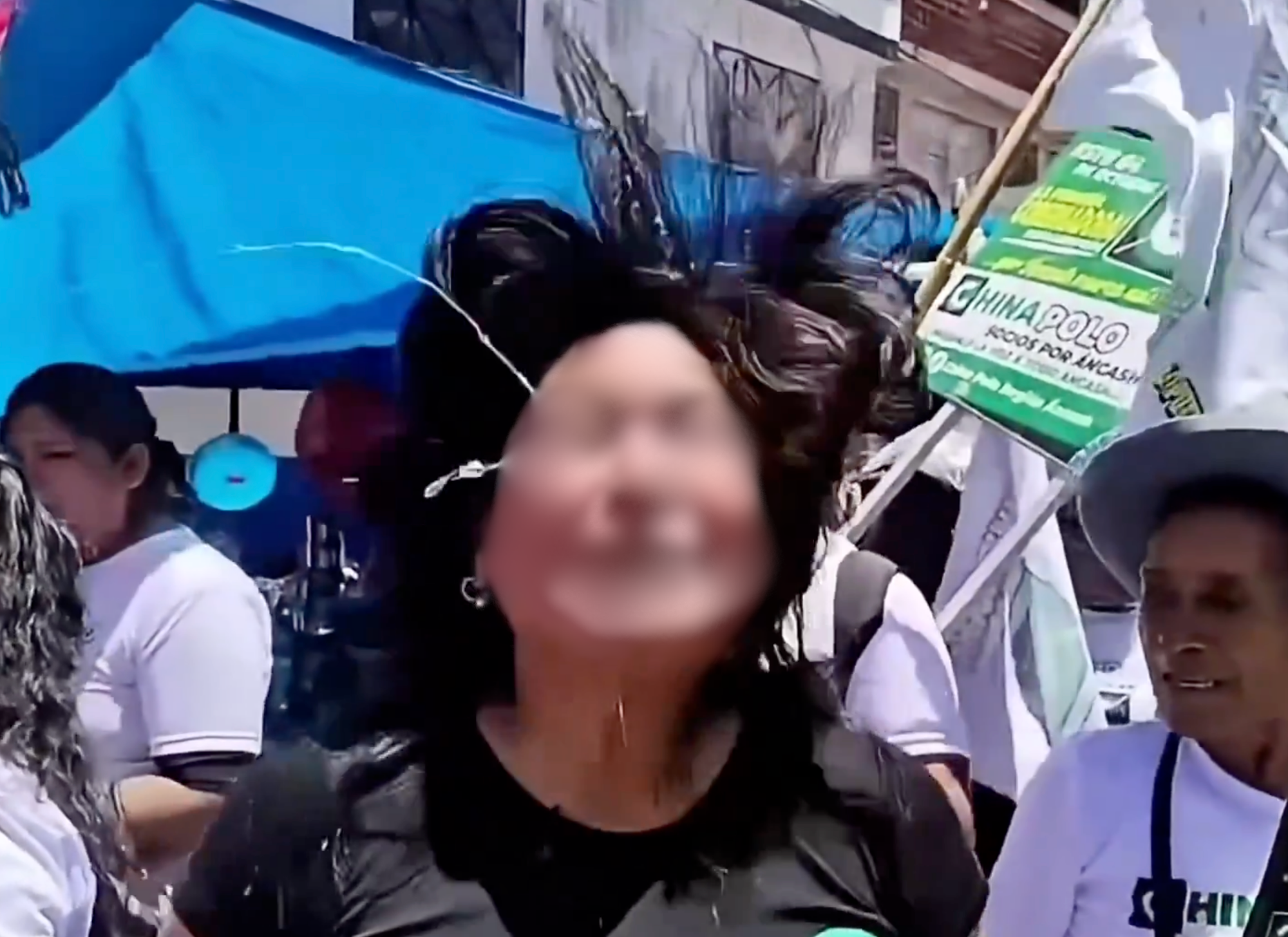
Aponte Polo, 44, was walking through Caraz’s central market alongside supporters during a rally as part of her campaign when she was shot from behind, with the bullet striking her head, according to witness accounts gathered by Peruvian broadcaster RPP.
Hours later, amateur cell footage that captured the moment spread on social media. The attack occurred around 12:40 p.m. local time on Avenida Ramón Castilla, in front of a Caja Huancayo branch.
Aponte Polo was rushed to Caraz’s Hospital San Juan de Dios, where she died shortly after arrival.
At least five people were wounded in the attack, according to Peru’s Ombudsman’s Office (Defensoría del Pueblo), with two of the injured transferred to the city of Huaraz for further treatment.
A witness interviewing Aponte Polo at the time of the shooting described watching her fall, and said the sound of the gunshot was initially mistaken for birthday fireworks.
The Suspect
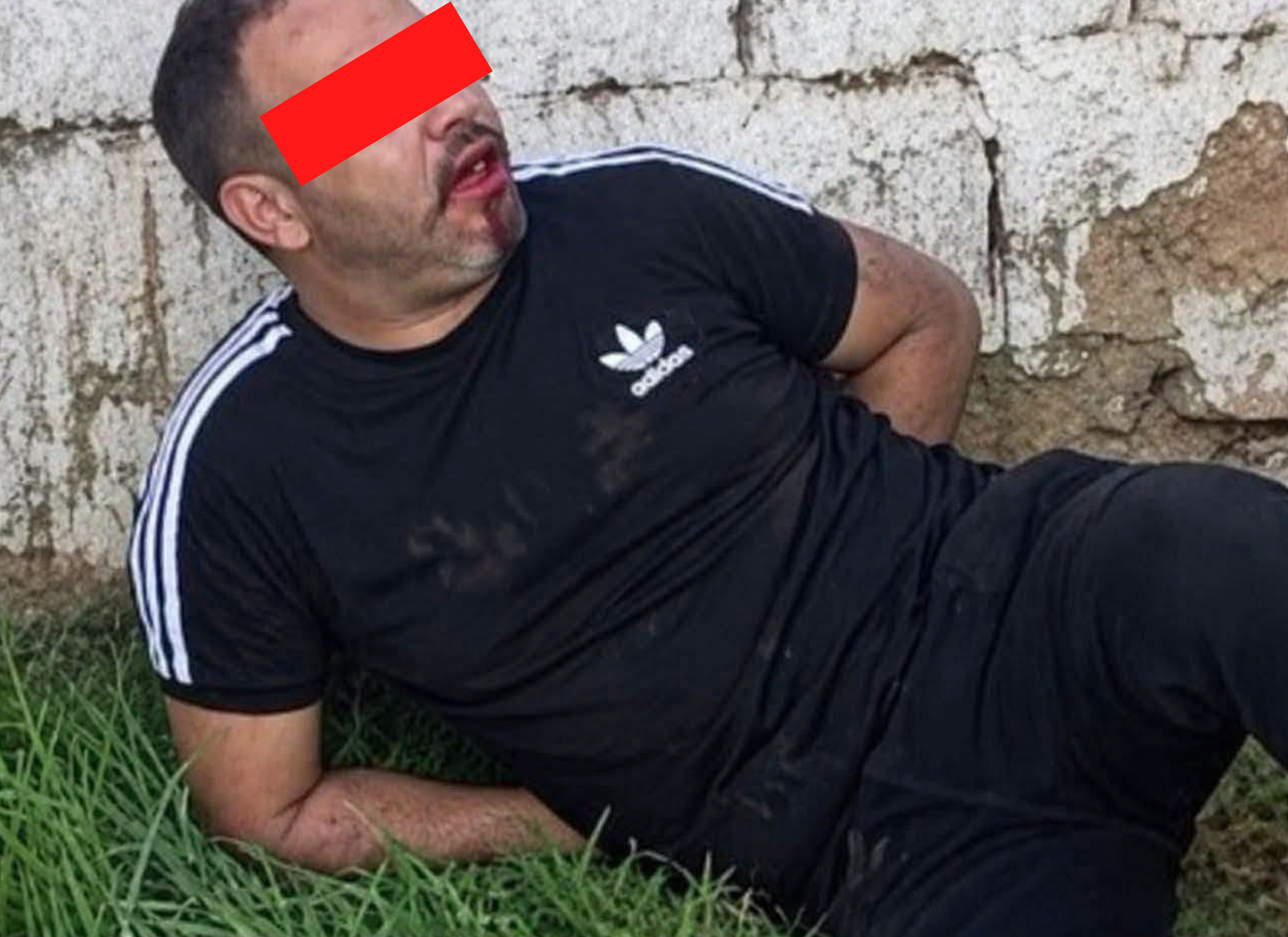
Moments after the shooting, local municipal security personnel (serenos) detained Luis Iván Obispo Díaz, a 32-year-old Venezuelan national, after members of the public restrained him at the scene.
Police recovered a firearm during his arrest, which authorities said carried a prior report for theft.
Peru’s National Police confirmed a second suspect was also taken into custody as the investigation continued, and National Police Commander General Fredy López Mendoza traveled personally to Caraz to lead the investigation, a measure Interior Minister César Astudillo ordered specifically to ensure “el más alto nivel de rigor técnico, presencia operativa y articulación permanente con el Ministerio Público” — the highest level of technical rigor, operational presence, and permanent coordination with prosecutors.
Who Was Susy Aponte Polo?
Known publicly as “La China Polo,” Aponte Polo built her public profile through investigative journalism focused on alleged corruption within Peru’s judicial system, police, and local and regional government. She directed a digital platform called China Polo Dominical, broadcast primarily through Facebook and YouTube, where she published investigations into organized crime, illegal mining, public works irregularities, and the conduct of local and regional authorities.
Aponte Polo entered Peru’s 2026 regional and municipal elections as a candidate for governor of Áncash with the Socios por Áncash political movement, and had participated in an official gubernatorial debate organized by Peru’s National Elections Jury (JNE) just four days before her death, on September 15.
Death Threats
On September 10, nine days before the assassination, Aponte Polo publicly accused Víctor Revoredo Farfán, then head of Peru’s Criminal Investigation Directorate (Dirincri), of ordering an attack against her.
“From three prisons I’ve received calls warning me that this man, Víctor Revoredo Farfán, has ordered an attack against me. I’ve already filed the complaint with the corresponding authorities,” she said in a broadcast at the time.
Aponte Polo directly challenged Revoredo publicly:
“I’m telling you, Mr. Revoredo: here, you need to stand up like a man. There’s no need to act like cowards, as is your custom. What are you afraid of? That I’ll expose all your dirty dealings?”
Whether those specific threats are connected to her killing remains under active investigation, and authorities have not confirmed any direct link between Revoredo Farfán and the attack.
Despite widespread reporting on the case, no state of emergency has actually been declared in Áncash as a direct response to Aponte Polo’s killing. Instead, Áncash’s regional governor, Koki Noriega, has publicly demanded that President Keiko Fujimori’s government declare the region in a state of emergency, citing its position between higher-crime areas including La Libertad.
“Many ministers still haven’t met with us, and days ago we already requested that Áncash be declared in a state of emergency,” Noriega told RPP, saying repeated requests for a cabinet meeting had gone unanswered.
He also called on Fujimori to convene the country’s regional governors to establish a unified security strategy, noting his own administration had purchased 100 patrol vehicles and formally requested a session of the Council of State and Regional Security.
As of the most recent reporting, Fujimori’s government had not responded to that request.
Institutional & Political Reaction
The killing drew swift condemnation across Peru’s political spectrum. Progressive senator Ruth Luque called the attack “gravísimo” and demanded those responsible be identified.
The National Elections Jury issued a statement asserting that “violence has no place in a democratic society” — and rejected any act threatening life, integrity, or safety during the electoral process. Opposition lawmakers in Congress have separately called for changes at the Interior Ministry, directing criticism at Minister Astudillo and at Fujimori’s broader security policy.
Peru’s Press Council called for a rigorous, independent investigation into the killing.
Peru recorded four journalists killed in 2025, according to police figures, a toll that underscores the killing’s significance within Peru’s broader press-freedom context, even as authorities continue working to determine whether the attack was primarily tied to Aponte Polo’s journalism, her candidacy, the specific threats she had reported, or some combination of these.
With Peru’s regional and municipal elections scheduled for October 4, Aponte Polo’s killing lands squarely within the country’s active campaign season, adding fresh urgency to unresolved questions about candidate security nationwide.
Peru’s Attorney General’s Office has opened a preliminary investigation into potential femicide charges, given Aponte Polo’s gender and the circumstances of the attack, while the broader question of whether her killing was politically or journalistically motivated remains under investigation.
Whether Fujimori’s government responds to Noriega’s emergency declaration request, and whether the ongoing investigation produces any confirmed connection to the threats Aponte Polo reported before her death, are likely to shape both the immediate security response in Áncash and the broader national conversation about protection for journalists and candidates as Peru’s election approaches.
(⚠️HASSAS⚠️)
— Güno Social (@gunosocial) September 21, 2026
🟠Peru’da vali adayı gazeteci pazaryerinde vurularak öldürüldü
📍Peru’da ekim ayındaki yerel seçimlerde Áncash bölgesi vali adayı olan gazeteci Susy Ysabel Aponte Polo (44), Caraz kentinde uğradığı silahlı saldırıda hayatını kaybetti.
📍 Polis teşkilatındaki… pic.twitter.com/JZfeUZJS3B


