

On the first Saturday of May, 150,000 people filled Churchill Downs in Louisville, Kentucky, for the 152nd running of the Kentucky Derby. Mint juleps. Enormous hats. The most famous two minutes in sports. And at the end of them, something that had never happened in a century and a half of racing.
José Ortiz, riding Golden Tempo at 23-to-1 odds, crossed the finish line first. Behind him, in second place, was his brother Irad Ortiz Jr. Two brothers. First and second place. At the Kentucky Derby. It has never happened before in the race’s 150-year history.
Both brothers are from the Caribbean island of Puerto Rico, often called La Isla del Encanto — or the Island of Enchantment.
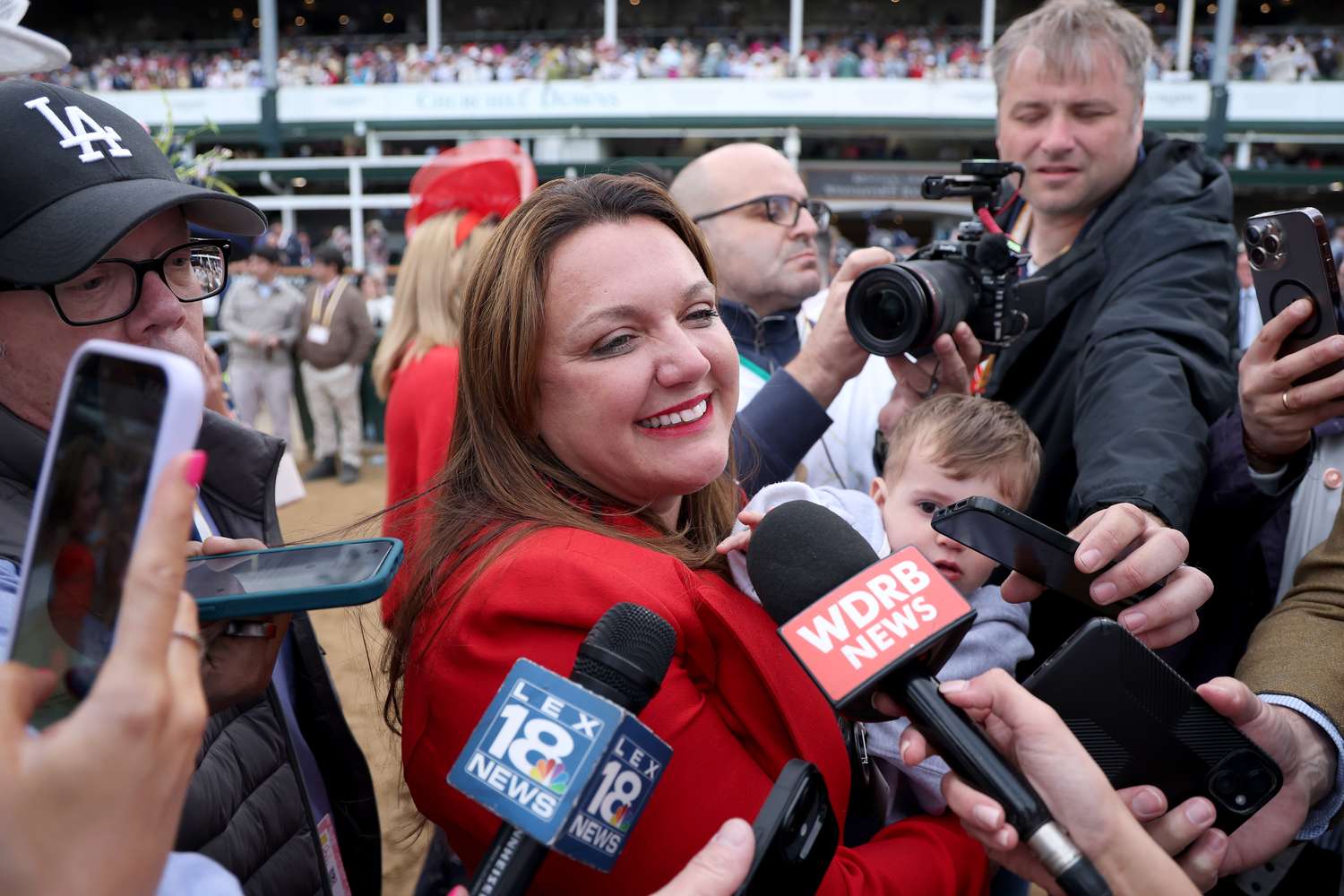
Golden Tempo’s trainer, Cherie DeVaux, made history of her own — becoming the first female trainer to win the Kentucky Derby. The winning team took home $3.1 million of the race’s $5 million purse.
The headlines wrote themselves: two brothers, a 23-to-1 longshot, the first female trainer, an unprecedented family finish. What the headlines missed is the story underneath — the story of how a small, tuition-free vocational school on a Caribbean island became the most important jockey-producing institution in the world.
The Start of Dreams
The Escuela Vocacional Hípica Agustín Mercado Reverón — Puerto Rico’s elite jockey training school — was founded in 1974 and is located at Hipódromo Camarero in Canóvanas, about twenty minutes from the island’s capital in downtown San Juan.
The institute trains students to become jockeys, gallopers, stable hands, blacksmiths, and trainers — and it does all of this for free.
The curriculum is structured, demanding, and rigid. During the first three months, students learn the theory of the sport — equine science and anatomy. They clean, groom, bathe, and walk the horses. Then they train balance ability. After that, the racecourse awaits. Many don’t make the cut. But the few who do go on to become legends, locally and internationally.
The school’s most famous graduates include three of the most decorated jockeys in modern American racing history. Ángel Cordero Jr. — a three-time Kentucky Derby winner in 1974, 1976, and 1985, and a member of the National Museum of Racing and Hall of Fame — is the school’s most celebrated alumnus.
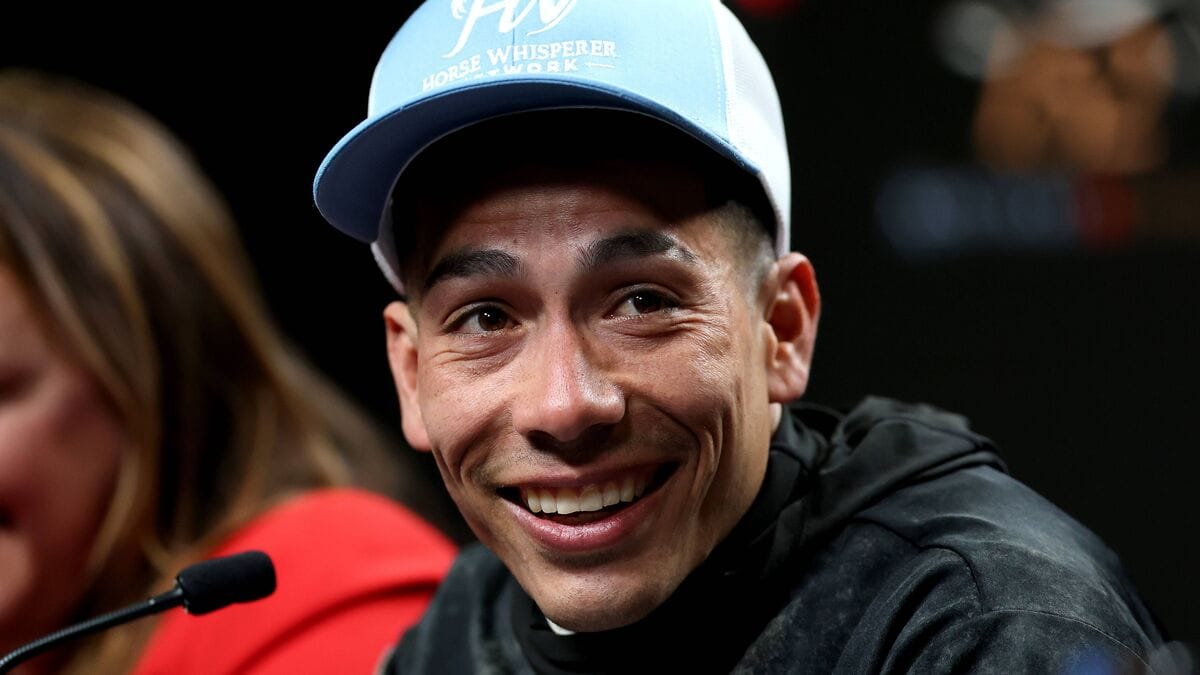
John Velázquez, inducted into the Horse Racing Hall of Fame in 2012 and the leading money-earning jockey in the history of the sport with more than $386 million in career earnings, came through the same system. And finally the Ortiz brothers — José and Irad Jr. — are the school’s latest and perhaps most dramatic contribution to the sport’s highest stage.
José and Irad Ortiz Jr. are third-generation jockeys. Their grandfather, also named Irad Ortiz, was a jockey, and so is their uncle Ivan Ortiz. The family’s connection to the sport runs so deep that racing is not what the Ortiz family does — it is what the Ortiz family is
José Ortiz: The Derby Winner
Heading into the Kentucky Derby, José Ortiz has lifetime purse earnings at more than $307 million over his career — money won by the horses he rode — across more than 18,000 starts. He is one of the most accomplished jockeys of his generation — a rider whose technical precision, race-reading ability, and physical discipline have made him a consistent choice for trainers with horses capable of winning at the highest level.
The Golden Tempo partnership was not the most celebrated connection in the field. The horse had been dealing with cracked heels in the weeks before the race.
“Not a big deal, but he’s training great, he’s happy, he’s moving wonderfully out there, so I’m really pleased with him,” trainer Cherie DeVaux said in an April 28 interview.
“It’s just a little abrasion. They’re not bad, but they’re funny. They can be persistent, and it’s just when they gallop, sometimes it will aggravate them.”
At 23-to-1, Golden Tempo was a long shot. In the chaos of a twenty-horse Kentucky Derby field — where pace scenarios, traffic patterns, and the physical demands of a mile and a quarter on a fast track can undo even the most talented horses — the combination of Ortiz’s experience, DeVaux’s preparation, and Golden Tempo’s fitness on the day proved decisive.
When Ortiz guided Golden Tempo across the finish line, his brother Irad was a length behind on his own mount. The Churchill Downs crowd, accustomed to extraordinary moments, witnessed one it had never seen before.
The Brotherhood Behind the Numbers
The Ortiz brothers’ relationship is as competitive as it is close — a dynamic that defines the specific quality that the Puerto Rican jockey pipeline produces.
Irad Ortiz Jr. has been a leading rider in the New York Thoroughbred racing circuit since 2012. He won his first Breeders’ Cup race on Lady Eli in 2014 and his first American Classic on Creator in the 2016 Belmont Stakes. He has amassed more than $127 million in total lifetime purse earnings over his own career, almost half of what his brother José has earned.
José came to the New York tracks in 2012 as well. By 2016 he was the leading jockey in North America by number of wins. He earned the Eclipse Award for Outstanding Jockey in 2017 after winning his first Triple Crown race at the Belmont Stakes.
The brothers have competed against each other throughout their careers — on the New York circuit, at Saratoga, at Belmont, and on the national stage. They share an agent, a training background, a family history, and a competitive instinct that has made both of them better riders than they might have been had they not spent their careers racing alongside and against each other.
What happened at Churchill Downs on May 2 was the culmination of that dynamic — a moment in which the two riders who have pushed each other hardest, for the longest, finished first and second in the most watched race in American sports. It is, in the history of sibling athletic achievement, almost without parallel.
Puerto Rico’s Racing Legacy
The Ortiz brothers did not emerge from nowhere. They emerged from an island that has been producing world-class jockeys for seventy years — and from a tradition of horsemanship that predates the Escuela Vocacional Hípica by decades.
Puerto Rico’s most legendary racehorse was named Camarero — a horse who won 56 consecutive races in the early 1950s, a record that still stands. Camarero was so beloved that when he died of an intestinal obstruction in 1956, 10,000 fans attended his funeral ceremony. The island’s premier racetrack, Hipódromo Camarero in Canóvanas, was renamed in his honor in 2006.
As recognized by the International Federation of Horseracing Authorities, Puerto Rico has become one of the most respected jockey pipelines in global racing. That is not an accident. It is what happens when you build a deliberate system — a training infrastructure designed, from the ground up, to produce excellence at scale.
The Escuela Vocacional Hípica is the institutional expression of that system. It takes students from across the Caribbean island — many from families with limited economic options — and gives them access to a world-class athletics program and a premier education in the art of horsemanship at no cost. The school’s graduates do not simply become jockeys. They become some of the best jockeys in the world — riders who go to New York, to Saratoga, to Churchill Downs, and win.
Long before diversity in sports was a talking point, Ángel Cordero Jr. was already rewriting the record books. A three-time Kentucky Derby winner and Hall of Famer, Cordero was one of the most electrifying and tactically brilliant jockeys in the history of U.S. racing. He was fearless, aggressive, and technically gifted — the kind of rider who could read a race and reshape it.
More than forty years after Cordero’s first Derby victory, a Puerto Rican jockey was still standing in the winner’s circle. And this time, his brother was right behind him.
The Future
The Kentucky Derby is the most-watched horse race in the world and one of the most watched sporting events in the United States. The winner’s circle at Churchill Downs is one of the most photographed locations in American sports.
On May 2, 2026, that winner’s circle belonged to two brothers from Puerto Rico.
For the island’s racing community — for the instructors at the Escuela Vocacional Hípica, for the trainers at Hipódromo Camarero, for the families who have watched their children pursue an unlikely path from a Caribbean island to the most prestigious stages in global racing — the Ortiz brothers’ first-and-second finish is not just a sports result. It is a validation of a half-century investment in excellence.
For Miami’s Puerto Rican community — one of the largest and most established in the continental United States — it is a moment of collective pride in an island that produces champions across more fields than the mainland tends to acknowledge.
The Puerto Rican jockey is not a novelty at Churchill Downs. He is a tradition. He is, increasingly, the expectation.
For a moment, Churchill Downs belonged to Puerto Rico, and it has now belonged to Puerto Rico, in one way or another, for fifty years.
Sociedad Media is published from Miami and covers Latin America, the Caribbean, and the city’s Latino community. For tips and reporting, contact info@sociedadmedia.com


