

BUENOS AIRES — Argentine health authorities are investigating a surge in hantavirus infections this year as the country manages what officials describe as a significant increase in domestic cases — while simultaneously determining whether Argentina is the origin point of a deadly outbreak that has gripped an international cruise ship and drawn the attention of the World Health Organization.
Argentina’s health ministry confirmed 41 hantavirus cases in 2026 so far — part of a broader surge of 101 infections recorded since June 2025, roughly double the caseload from the same period the previous year. The mortality rate has nearly tripled compared to recent years, with approximately one in three confirmed cases resulting in death.
The numbers arrived in the same week that international attention turned to Argentina over a separate but potentially linked outbreak aboard the MV Hondius — a cruise ship that departed from Ushuaia, Argentina's southernmost city, on April 1.
As of May 6, eight passengers aboard the MV Hondius have been confirmed or suspected of hantavirus infection. Three have died — a Dutch couple and a German national. One patient remains critically ill. The ship is currently en route to the Canary Islands, where the remaining 150 passengers and crew members from 23 nationalities will be assessed upon arrival.
What Hantavirus Is — and Why Argentina Is Particularly Exposed
Hantavirus is a rodent-borne illness transmitted primarily through contact with the urine, feces, or saliva of infected mice — particularly when those materials become aerosolized during activities like cleaning enclosed spaces or working in areas with high rodent populations. In most cases globally, it does not spread between humans. Argentina is now an exception.
The strain circulating in Argentina is the Andes virus — the only known hantavirus capable of human-to-human transmission. It is carried primarily by the long-tailed pygmy rice rat, a species common in rural Argentina and Chile. The case fatality rate from Andes virus infection is approximately 40% — meaning it kills nearly half of those it infects without treatment. The WHO has classified hantaviruses as emerging priority pathogens with high potential to spark international public health emergencies.
Symptoms occur within one to eight weeks after exposure and develop in phases — beginning with fever, muscle pain, headache, and gastrointestinal symptoms before rapidly progressing to pneumonia, acute respiratory distress syndrome, and in the most severe cases, shock. The window for human-to-human transmission appears to be short — approximately one day, at the peak of an infected person’s fever. People are at their most infectious on the day they develop symptoms.
Argentina has a documented history with the Andes strain. In 2018, a birthday party in the small village of Epuyen in southern Argentina triggered an outbreak that killed 11 people — one of the most significant hantavirus events in the country’s recent history. The Epuyen outbreak involved three separate superspreader events in which a single infected person passed the virus to multiple others. It is the same strain now under investigation in connection with the MV Hondius.
The Cruise Ship Investigation
Argentine authorities are working to determine whether the MV Hondius outbreak originated in the country. The health ministry announced it would send experts to Ushuaia to capture and test rodents “in areas linked to the route” taken by the Dutch couple who died.
Two unidentified investigators told the Associated Press that the couple — who died of confirmed hantavirus infection — may have contracted the virus during a bird-watching outing near a landfill in Ushuaia that could have exposed them to infected rodents.
The ship’s passenger manifest includes nationals from Australia, Belgium, Canada, France, Germany, Greece, Guatemala, India, Ireland, Japan, Montenegro, New Zealand, Poland, Portugal, Russia, Singapore, Turkey, and Ukraine. Singapore’s Communicable Diseases Agency confirmed two residents who were aboard the vessel are in isolation pending test results — both are currently asymptomatic. The Spanish health ministry confirmed that when the ship docks in the Canary Islands, non-Spanish passengers will be repatriated to their home countries for follow-up assessment.
The WHO’s director-general has stated that the overall public health risk from the current outbreak remains low and that authorities have dismissed concerns about hantavirus developing into a COVID-19-scale global pandemic threat. “The overall public health risk at the global level is assessed as low,” WHO said in its official disease outbreak notice published May 4.
What Argentine Authorities Are Doing to Manage the Spread
The Argentine Ministry of Health’s response operates on two parallel tracks — the domestic surge and the international cruise ship investigation.
On the domestic front, health authorities have activated enhanced surveillance across the provinces where hantavirus transmission is most common — primarily Buenos Aires province, Entre Ríos, and the Patagonian regions of Río Negro, Neuquén, and Chubut.
Public health messaging has been intensified to remind rural communities, agricultural workers, and anyone entering enclosed spaces with potential rodent activity of the prevention protocols: ventilating spaces before cleaning, using gloves and masks when handling materials in high-risk areas, and avoiding contact with rodents or their droppings.
On the cruise ship investigation, Argentina has committed to sending a field team to Ushuaia to conduct rodent trapping and testing in the areas associated with the Dutch couple's movements before they boarded the MV Hondius on April 1. The investigation aims to identify whether a specific location in or around Ushuaia constitutes an active transmission site.
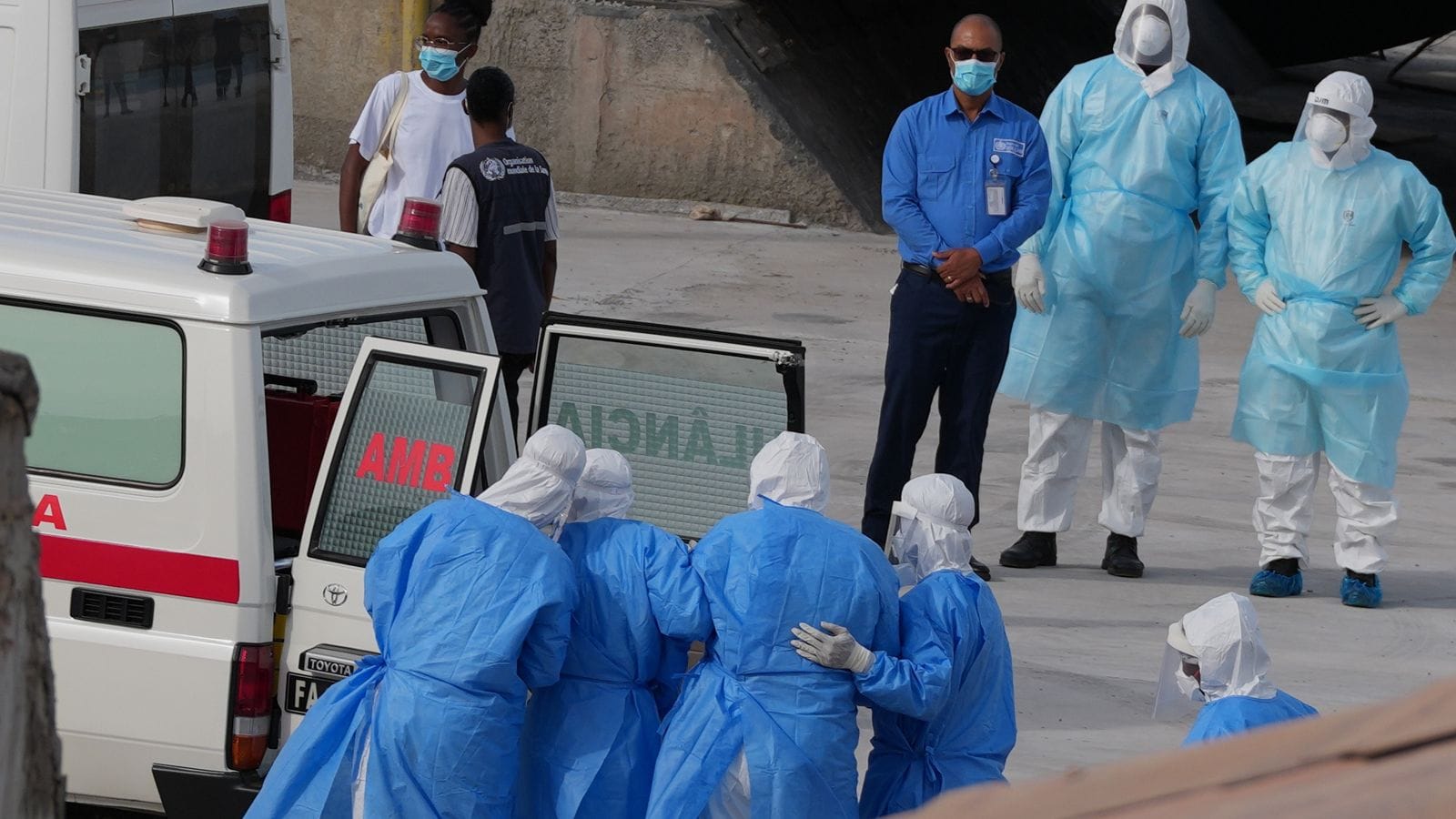
Argentina’s health ministry has also coordinated with WHO and international health authorities tracking the MV Hondius passengers across multiple countries, sharing epidemiological data to assist contact tracing efforts for the more than 150 people who were aboard the ship during its journey.
No travel restrictions to Argentina have been issued by any government as of publication time. The WHO has not recommended any changes to standard travel or trade measures in connection with the outbreak.
What Travelers Should Know
For anyone who has recently traveled to Patagonia or southern Argentina — or who plans to — the relevant precautions are specific and straightforward.
Hantavirus is not transmitted through casual contact, through food or water, or through the air in normal outdoor settings. The risk is concentrated in enclosed spaces with rodent activity — rustic cabins, storage areas, barns, and areas near rodent populations such as landfills. Outdoor activities including hiking, birdwatching, and tourism carry minimal risk when conducted in open-air environments.
The Andes strain’s human-to-human transmission capacity adds a dimension that other hantavirus strains do not carry — but the transmission window is narrow and requires close, sustained contact with an infected individual during the symptomatic phase. Healthcare workers and close family members of confirmed cases are the populations at greatest risk of secondary transmission.
Anyone who traveled to Patagonia or Tierra del Fuego in April and develops fever, muscle pain, or respiratory symptoms in the weeks following travel should seek medical attention and inform their healthcare provider of their travel history.
Early clinical intervention significantly improves outcomes.
Sociedad Media is monitoring the hantavirus situation in Argentina. This is a developing story — this article will be updated as the investigation progresses. For tips and reporting, contact info@sociedadmedia.com


