

CUSCO, PERU — His last words to his mother were ordinary: “Bye, Mom —I’ll be right back.”
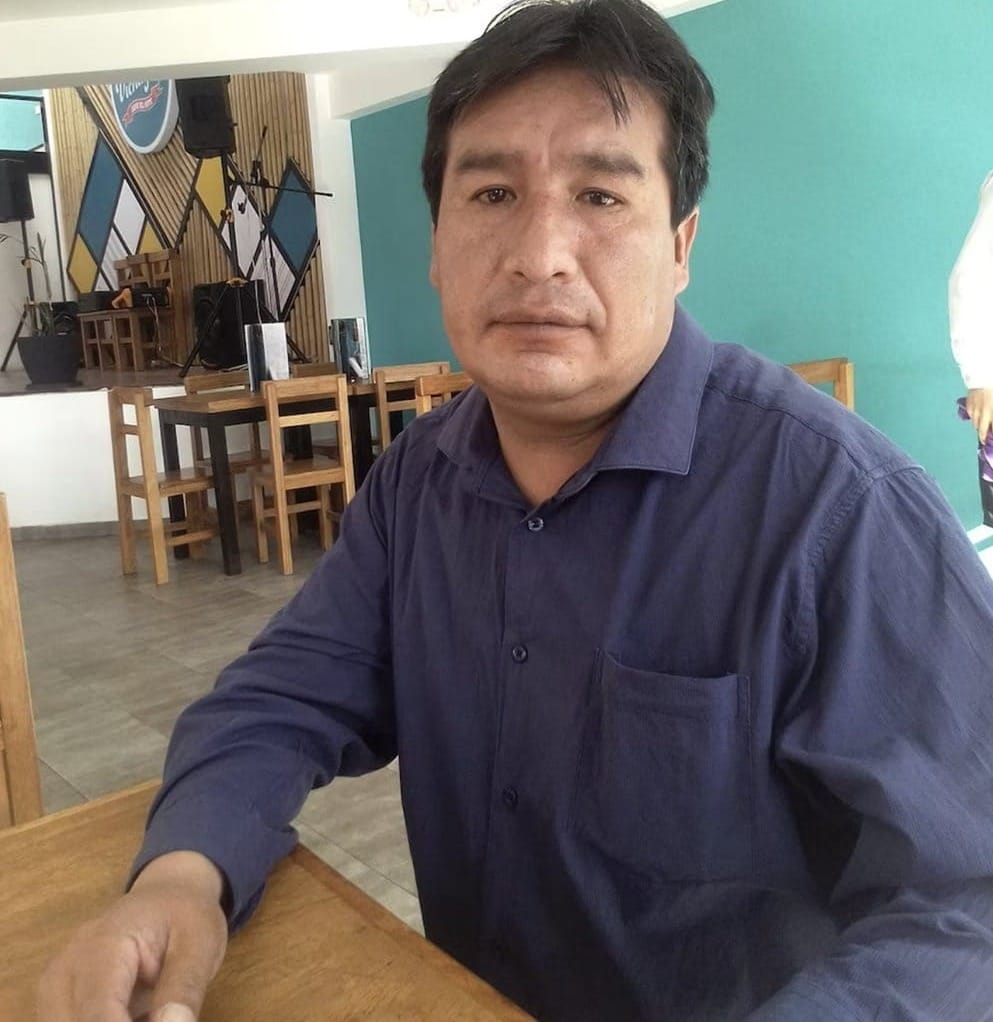
Rudhy Benavides Charalla, 46, a well-known tour guide in the elevated Peruvian tourist city of Cusco, who friends called the “Embajador de los Andes” — the Ambassador of the Andes — left his home on the evening of Saturday, April 18, and never returned.
His mother Ayde Charalla searched for him for a week. When police finally arrived at the house on Prolongación Avenida Ejército, guided by an anonymous tip, what they found inside had no precedent in recent Peruvian criminal history.
In the kitchen, police found two large metal pots on an industrial stove. Inside one of them was a human head. Inside the other, human flesh. Both pots contained vegetables — onions and carrots. Everything showed signs of having been cooked. Distributed throughout the rest of the house were buckets, containers, and plastic bags holding other human remains. The long bones had been crushed with a metal mallet and stored in bags, police found.
Colonel PNP Carlos Guizado, acting head of the Cusco Police Region, confirmed to reporters that the victim’s remains had been cooked with vegetables.
“We cannot rule out a case of cannibalism based on everything found at the scene — we are in the middle of the investigation,” he said to reporters.
The investigation did not take long. Within days, two men were in custody. Within two weeks, prosecutors were presenting the case before a judge in hearings that have left Cusco — Peru’s most visited city, the gateway to Machu Picchu, a city that receives millions of international tourists each year — and the rest of the entire Andean nation, in a state of collective shock.
What the Prosecution Has Alleged
According to prosecutor Thamara Catacora’s reconstruction of events presented before Judge José Luis Cáceres Pizarro during three days of hearings, Rudhy Benavides was lured to the home of one of the suspects under the pretense of continuing a social gathering at which all three had been drinking. When Benavides fell asleep in the early hours of Sunday morning, the attack began, prosecutors allege.
Óscar Franco Tinco struck Benavides with a deep cut to the throat using a folding knife. Gabriel Alexis Luis Cóndori attacked him with a fork and a metal hammer to the head. The ambush, authorities argue, was systematic and without pause. Benavides died without being able to defend himself.
The prosecution cited video evidence recorded by one of the suspects — Cóndori himself — footage showing the victim, Benavides, on the floor, still breathing, with two dogs licking blood from his face. “This would indicate that the victim was still alive after the blows of mortal necessity inflicted on his neck,” Catacora told the court.
“Furthermore, this video was recorded by Gabriel Cóndori himself — he had full knowledge of everything and was in full consciousness. They cannot claim they were even in a state of intoxication or under the influence of drugs.”
After Benavides died, the two suspects stole his mobile phone and sold it at a nearby shopping center for 110 soles — approximately $30 — which they used to buy more alcohol, marijuana, and the tools they would need to dispose of the body.
The suspects then systematically dismembered the remains. According to the prosecutor’s testimony: “Óscar Tinco proposed boiling the remains and feeding them to the dogs to make the body disappear, and they proceeded to dismember it progressively — first cutting the hands and feet, cooking them and feeding them to the seven dogs; then separating the arms and removing the flesh, which was also cooked and given to the animals. Óscar asked Gabriel to cook part of the flesh because they hadn’t eaten since Saturday and were hungry, and both of them consumed the preparation.”
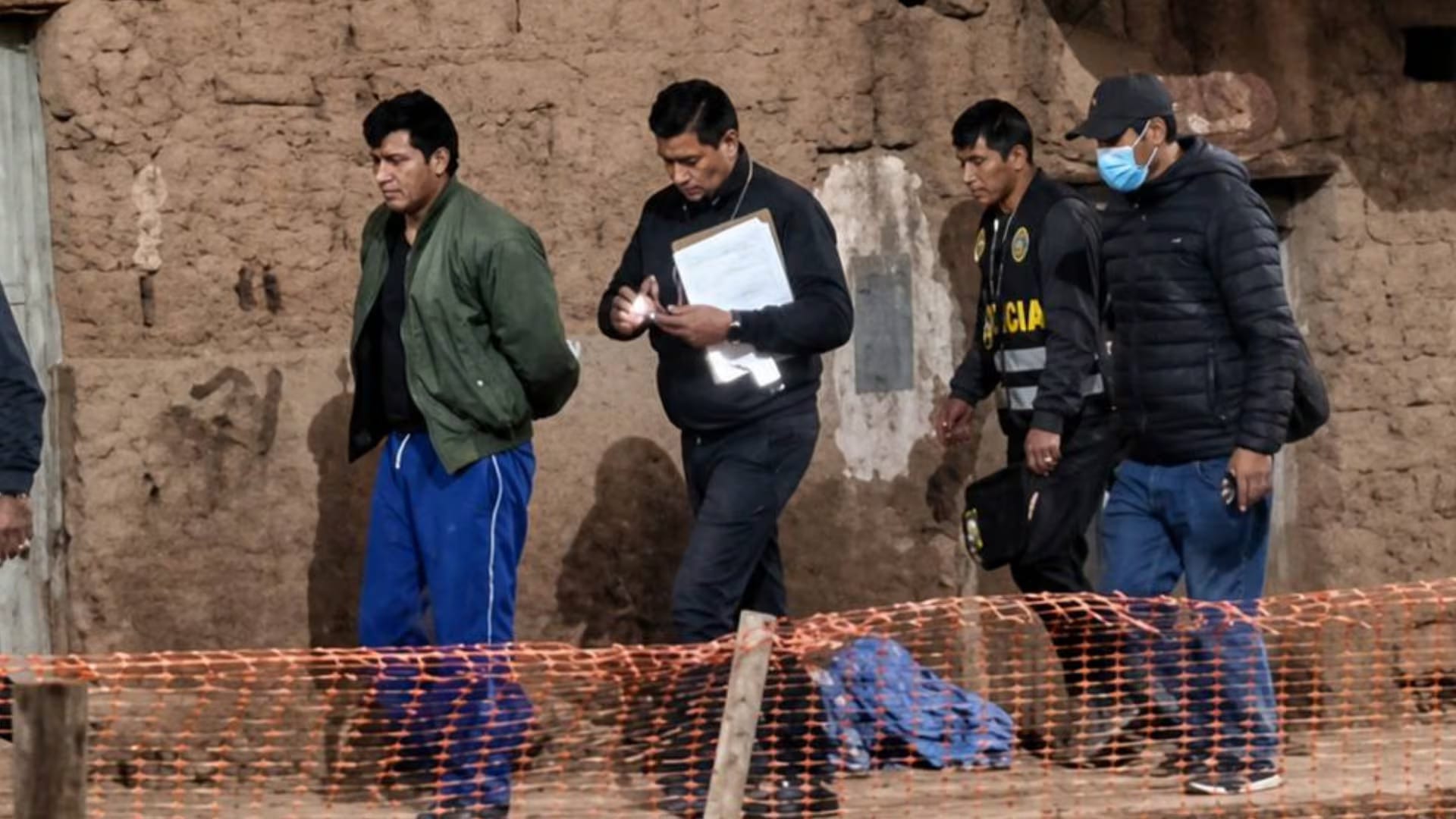
Both defendants were found to have tested positive for toxicology examinations after their arrest. The defense has denied its clients caused Benavides’ death while admitting their participation in the dismemberment.
The prosecution maintains both men attacked and killed the victim.
Who the Suspects Are
Gabriel Alexis Luis Cóndori and Óscar Franco Tinco are both 21 years old and are from the province of La Convención in Cusco’s Peruvian highland region. They have known each other since they were 14, according to authorities. The motive that the prosecution established for the initial attack was robbery: Tinco owed Cóndori money, and before arriving at the house called Cóndori to tell him he was bringing a person through whom he could “collect” the debt. Rudhy Benavides was that person, prosecutors argue.
Both defendants have prior criminal records. Cóndori has an infraction from when he was a minor and a complaint for sexual harassment. Tinco has a complaint for sexual violation of two minors aged 13 and 15 years old. Neighbors of the Manantiales del Inca association — the neighborhood where the house is located — told reporters that the property was known for excessive alcohol consumption and irregular activities, and that they had alerted authorities repeatedly without response.
On May 3, the Cusco Superior Court of Justice ordered nine months of preventive detention for both Cóndori and Tinco. Both were transferred to the Quencoro men’s prison. They face charges of aggravated theft, aggravated homicide with ferocity, and illegal possession of drugs. Prosecutors are expected to seek the maximum penalty under Peruvian law given the severity of the aggravating circumstances.
Cusco’s Reckoning
The case has landed in Peru’s most internationally visible city at a moment of acute institutional fragility — and it has exposed, in the most visceral possible way, the gap between Cusco’s global tourism identity and the public security reality its residents live with.
The seven dogs from the property — pit bull mixes that were fed human remains — were rescued by animal welfare authorities and are now being offered for adoption, having been assessed as stable after veterinary care.
That detail, reported by local outlet Trome and circulated widely across Peruvian social media, crystallized the case’s horror for a public that has been processing it in fragments since the first police reports emerged on April 27.
The prosecutor who presented the case, Thamara Catacora, has been precise and methodical in her public statements — presenting the evidence in clinical language before a judge in a city whose tourism economy depends on the perception of safety that this case has directly challenged. International tourists visit Cusco at a rate of more than a million per year. The house where Rudhy Benavides was killed is fifteen minutes on foot from the historic city center.
What the case has made unavoidable — in a city, in a country, and in a political moment where organized crime and institutional weakness have been the defining story of the campaign season — is a question about what the state owes to the people living outside the tourist economy’s perimeter.
The neighbors who reported irregular activity at the Manantiales del Inca house were ignored, and the dogs that lived there were rescued within days of the crime being discovered. The man who lived nearby, worked in tourism, and left for work one Saturday evening never came home.
His name was Rudhy Benavides. He was 46 years old, and his mother is now waiting for justice.
Unforgettable Crime Stories is Sociedad Media’s newest content option, providing regional coverage of Latin America’s most notable crime stories. From cartel brutality to crimes that defy explanation, these are the stories that expose the darkest edges of a region where the line between the extraordinary and the everyday can disappear without warning. Reported with the precision and context these cases demand. For questions or general inquiries, contact the outlet at info@sociedadmedia.com


