

Here is your Tuesday Sociedad Media Now on Washington’s Latin America strategy post-Maduro, updates on the critical USMCA agreement, and
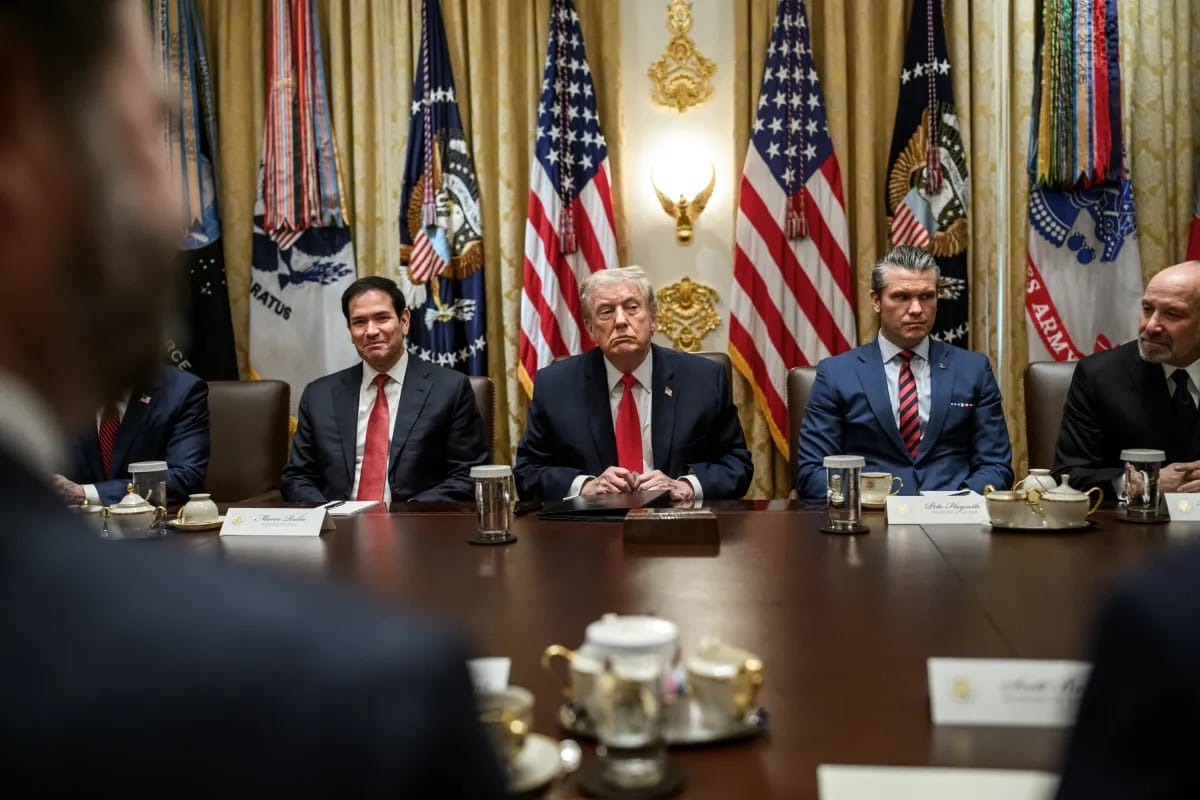
Five Months Post-Maduro: What Has Trump’s Latin America Strategy Actually Achieved?
MIAMI — Five months after Operation Absolute Resolve captured Nicolás Maduro in Caracas, the Trump administration’s Latin America strategy has produced a clear set of results — and a clear set of unresolved questions. Venezuela is growing economically but holding no elections. Cuba has withstood the most intensive U.S. pressure campaign since the Cold War. Mexico is cooperating on counter-narcotics while formally protesting unauthorized CIA operations on its soil. Latin American markets are outperforming global benchmarks. And María Corina Machado — the woman Venezuelans actually voted for — is announcing her presidential candidacy from exile in Panama while Washington works around her.
The short-term gains are real. The long-term picture is more complicated.
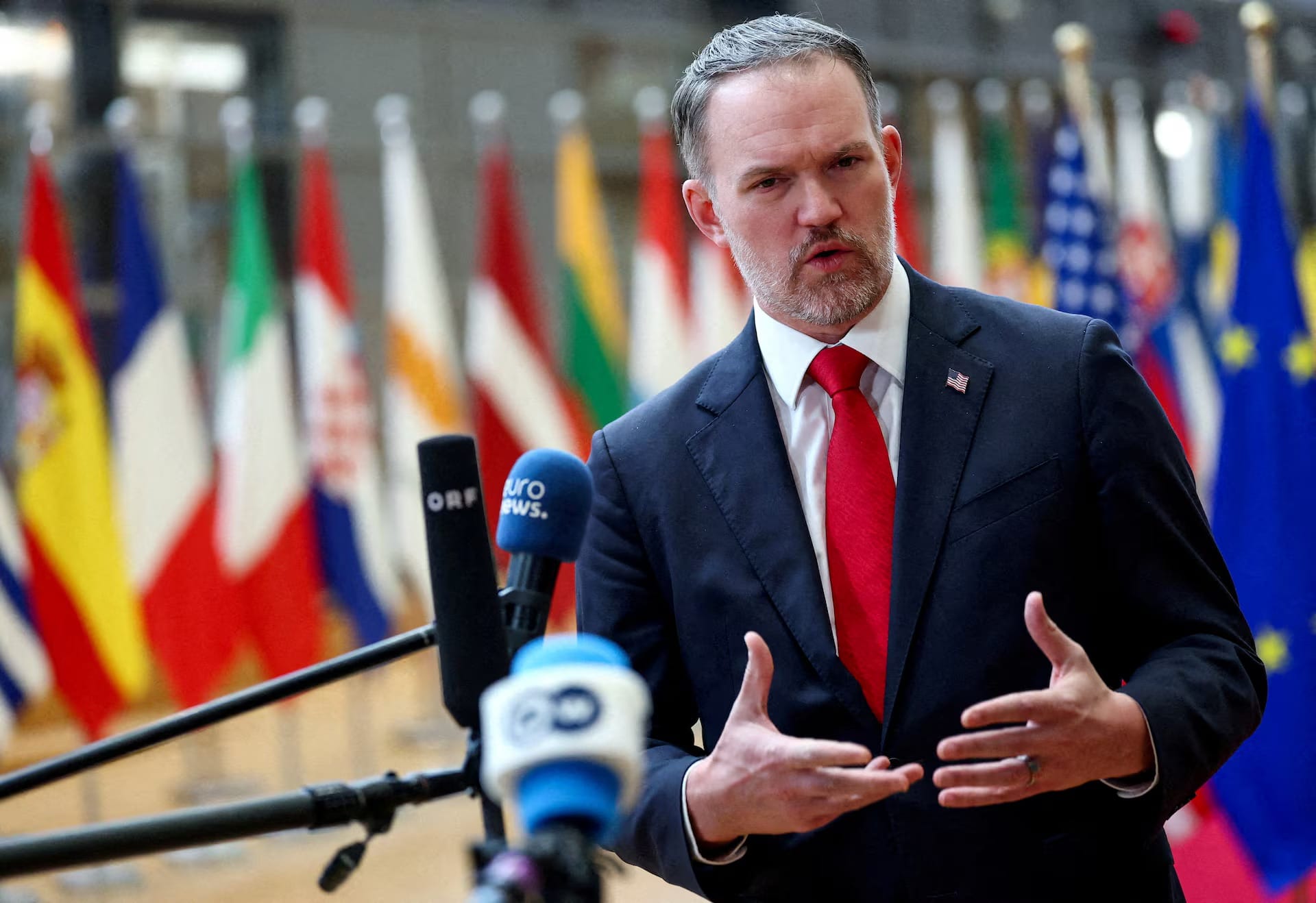
USMCA July 1 Deadline Five Weeks Away. A Clean Deal Is Far From Reached
The USMCA review — the first since the agreement replaced NAFTA in 2020 — formally launches July 1, five weeks away, with no clean deal in sight. Negotiations only opened in March, bilaterally between the U.S. and Mexico rather than trilaterally, with Canada largely sidelined and no agreed text on the table.
The core fight is over Chinese goods entering the U.S. market through Mexican supply chains — and Washington is using the review to extract concessions on automotive content, energy policy, and drug enforcement simultaneously. For Mexico, whose 80% export dependency on the U.S. makes USMCA the structural foundation of its entire export economy, the outcome is existential. For Central America and the Caribbean, a weakened Mexican manufacturing sector has direct consequences for employment, remittances, and migration.
This is the most consequential single economic event in the hemisphere this year.
Colombians Turn Out In Miami For Presidential Vote — Petro Under Investigation as De La Espriella Surges In Polls
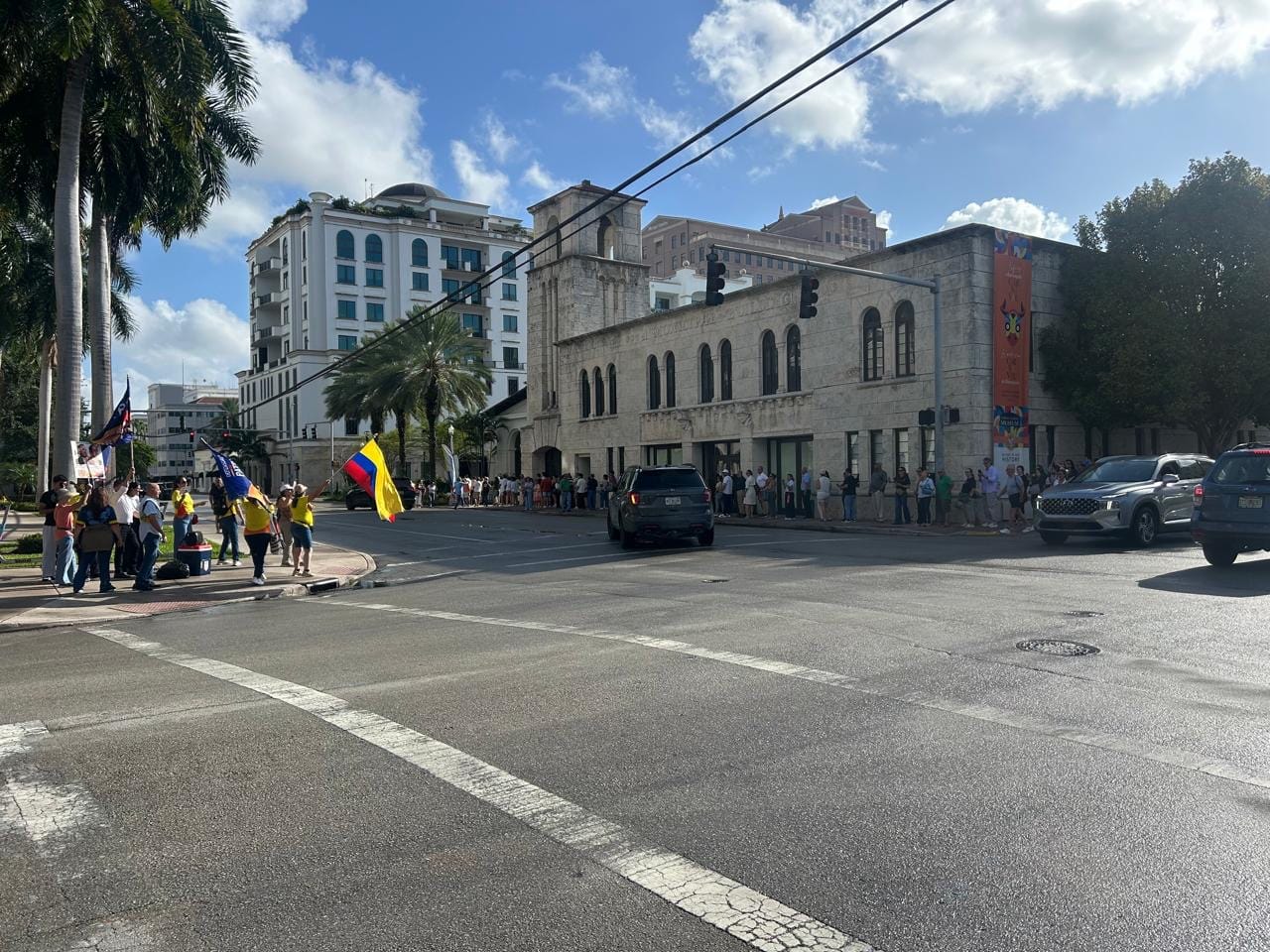
CORAL GABLES, MIAMI — Colombia’s presidential election is five days away — and Miami’s Colombian community is already voting.
Since Monday, Colombians registered in Florida have been casting ballots at the Coral Gables Museum at 285 Aragon Ave., with police expecting traffic and deep political divisions throughout the week. The overseas electoral roll increased by 45.42% compared to 2022 — a reflection of a diaspora more politically mobilized than at any previous election.
The race has flipped: the last authorized poll shows De la Espriella in a statistical tie with front-runner Cepeda, with the poll projecting De la Espriella would win a runoff. And today, Colombia’s House of Representatives opened a criminal investigation into President Petro for alleged electoral interference — the second domestic legal proceeding touching the outgoing president as his preferred candidate asks Colombians at home and abroad for their vote.


