
Our Thursday Sociedad Media Now newsletter hits on three new fronts — renewed trade tensions with the U.S. & Brazil, the start of a new state of siege against criminal elements in Peru, and considerations of a 3,000-personnel U.S. deployment to Venezuela in the aftermath of deadly earthquakes.
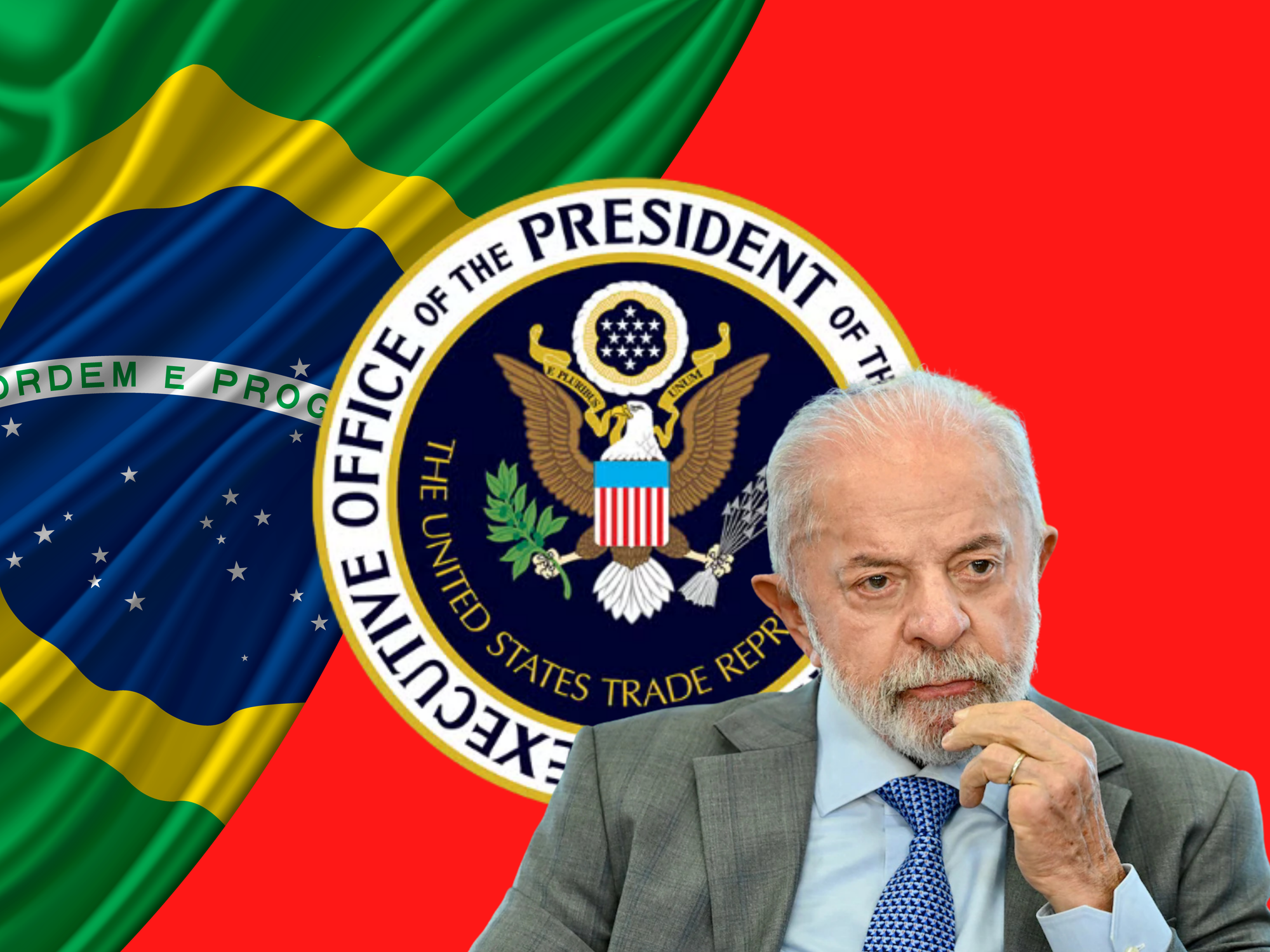
U.S. Imposes 25% Tariff on Brazil, Citing Illegal Deforestation and “Unreasonable” Trade Practices
WASHINGTON, D.C. — The U.S. finalized a 25% tariff on Brazilian goods on July 15, closing out a year-long Section 301 investigation that cited illegal Amazon deforestation, digital trade restrictions on U.S. tech firms, anti-corruption backsliding, and longstanding intellectual property and ethanol market grievances.
The tariff, effective July 22, replaces an earlier 50% duty the Supreme Court struck down in February and carries notable exemptions for coffee, beef, and orange juice, while hitting steel, apparel, and machinery.
President Lula rejected the move as groundless and vowed WTO countermeasures, pointing to a $424.5 billion U.S. trade surplus with Brazil over 15 years, while Secretary of State Rubio blamed Lula for negotiating in bad faith — a dispute now tangled up in Brazil’s October election and a pending forced-labor probe that could push the country’s total tariff burden to 37.5%.
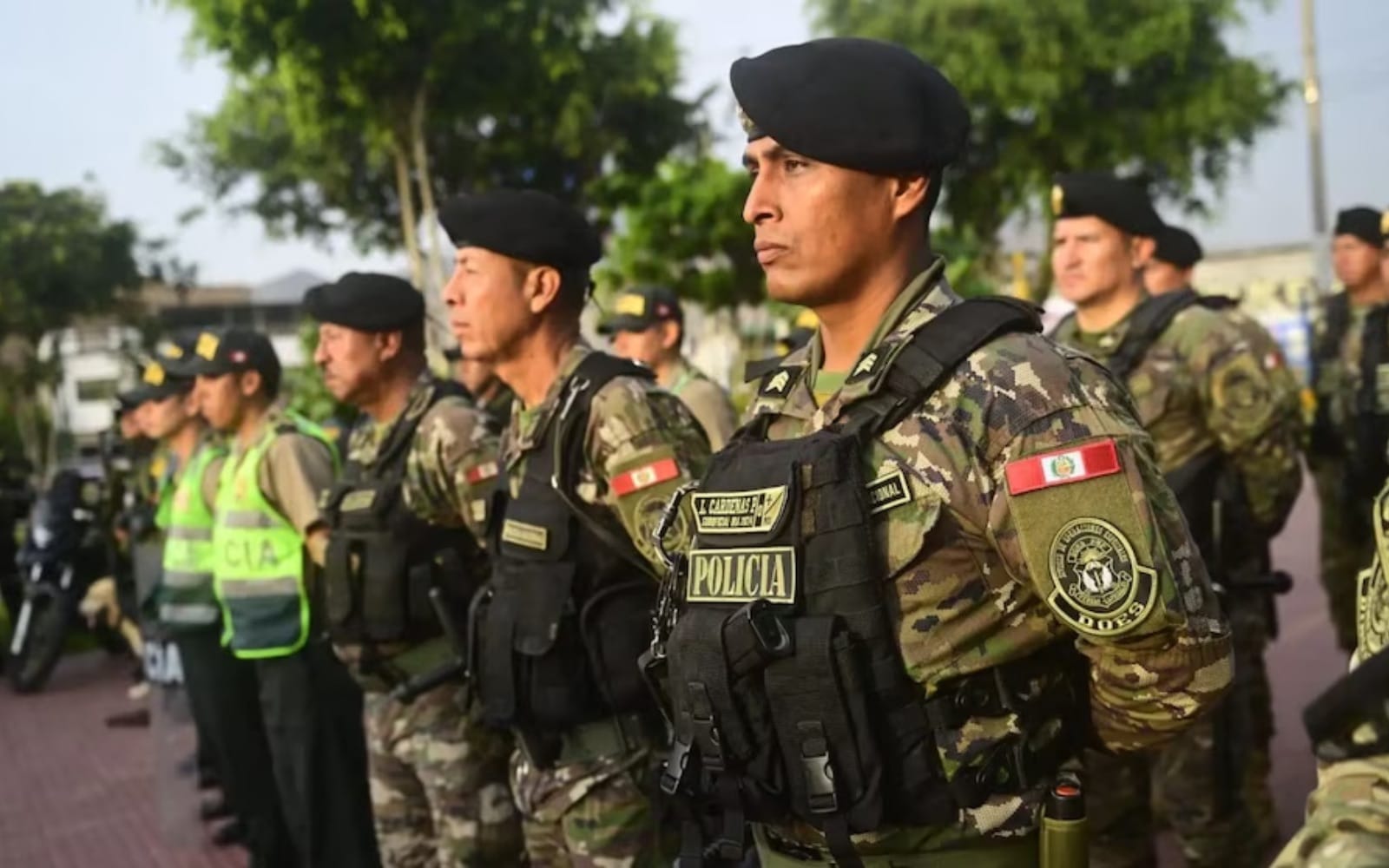
Peru Declares 60-Day State Of Emergency To Combat Criminal Violence & Extortion Crisis
LIMA, PERU — Peru declares a fresh 60-day state of emergency across five Pisco districts on July 16 — Pisco, San Andrés, Paracas, San Clemente, and Túpac Amaru Inca — citing a wave of homicides and extortion that local officials say has overwhelmed police resources, marking the province's second such declaration this year.
The measure hands internal order control to the National Police (PNP) with Armed Forces support and lands amid a broader national extortion crisis affecting an estimated six million Peruvians, according to the government's own crime observatory.
The renewal also coincides with a symbolic moment of political transition, as interim President Balcázar oversaw the formal handover of presidential credentials to president-elect Keiko Fujimori, who takes office July 28 on a hardline anti-crime platform — raising the question of whether her government will break Peru’s recurring cycle of rolling emergency decrees or simply extend it.
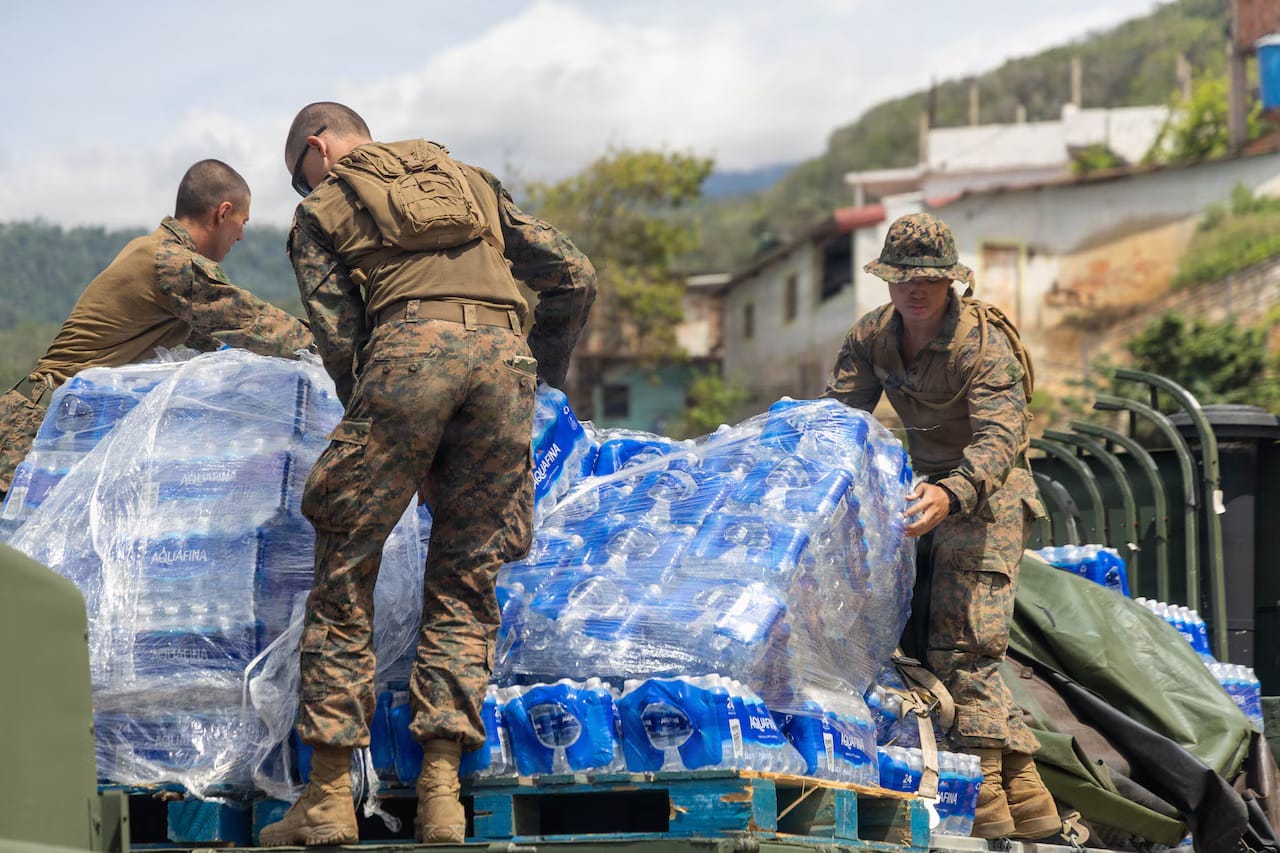
U.S. Weighs Sending 3,000 Technicians to Run a Temporary Administration in Venezuela
CARACAS — The U.S. is weighing a preliminary, unapproved plan to send roughly 3,000 civilian technicians and nearly $3 billion to Venezuela, drawing largely on the Army Corps of Engineers rather than military forces to rebuild roads, ports, power grids, and water systems after the June 24 earthquake that has killed nearly 4,734 people.
The proposal would also stand up a temporary administrative structure to manage a political transition away from Chavismo, with sources comparing the model — with caveats — to U.S. compacts with the Marshall Islands rather than direct territorial control, and explicitly ruling out Trump’s public jokes about Venezuela becoming a 51st state.
The plan marks the next chapter in an extraordinary year for the country, following the January capture of Nicolás Maduro, who now faces U.S. prosecution on drug-trafficking and narco-terrorism charges.