


This Thursday’s Sociedad Media Now daily newsletter focuses on two of the region’s top Economic stories: how nearshoring and domestic manufacturing is reshaping Latin America, and Brazilians battle consumer inflation fears three weeks before October’s presidential election.

Nearshoring Reshapes Latin America, Tariff Uncertainty Is Pushing Investment Beyond Mexico
MIAMI — Mexico remains nearshoring’s biggest winner by scale, absorbing $41 billion in FDI and replacing China as the U.S.’s top trading partner since 2023.
But structural bottlenecks — energy constraints, water scarcity, customs inefficiency, and retroactive tax audits — are pushing manufacturers to diversify beyond it.
Costa Rica, Panama, Guatemala, and Colombia are each carving out distinct roles, from medical devices to logistics to services, as the region’s nearshoring story evolves from single-country to genuinely regional.

Brazil’s Economy Is Growing. But It Is Not Being Felt By Voters Heading Into Election
BRASÍLIA — Brazil’s economy shows genuine growth and low unemployment, but persistent inflation, high interest rates, and a widening fiscal deficit have left most voters unconvinced ahead of the October 4 election.
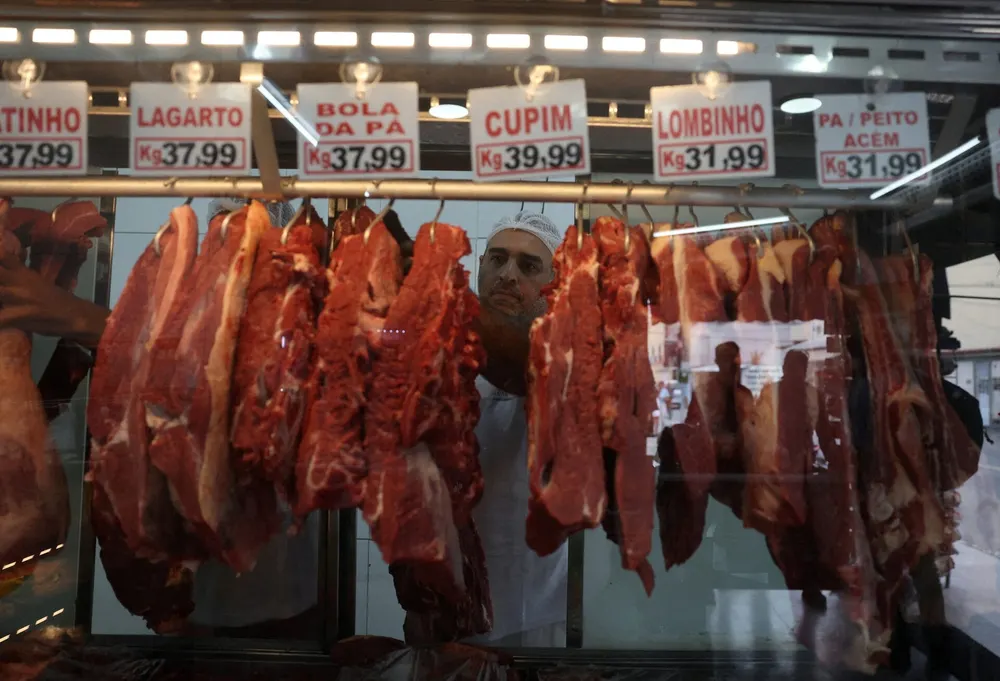
Just 32% of Brazilians rate the economy as good, with food prices becoming a central emotional battleground between Lula and challenger Flávio Bolsonaro.
Lula leads every first-round poll, but runoff simulations against Bolsonaro are tied within the margin of error, leaving the race’s true competitiveness genuinely uncertain.