

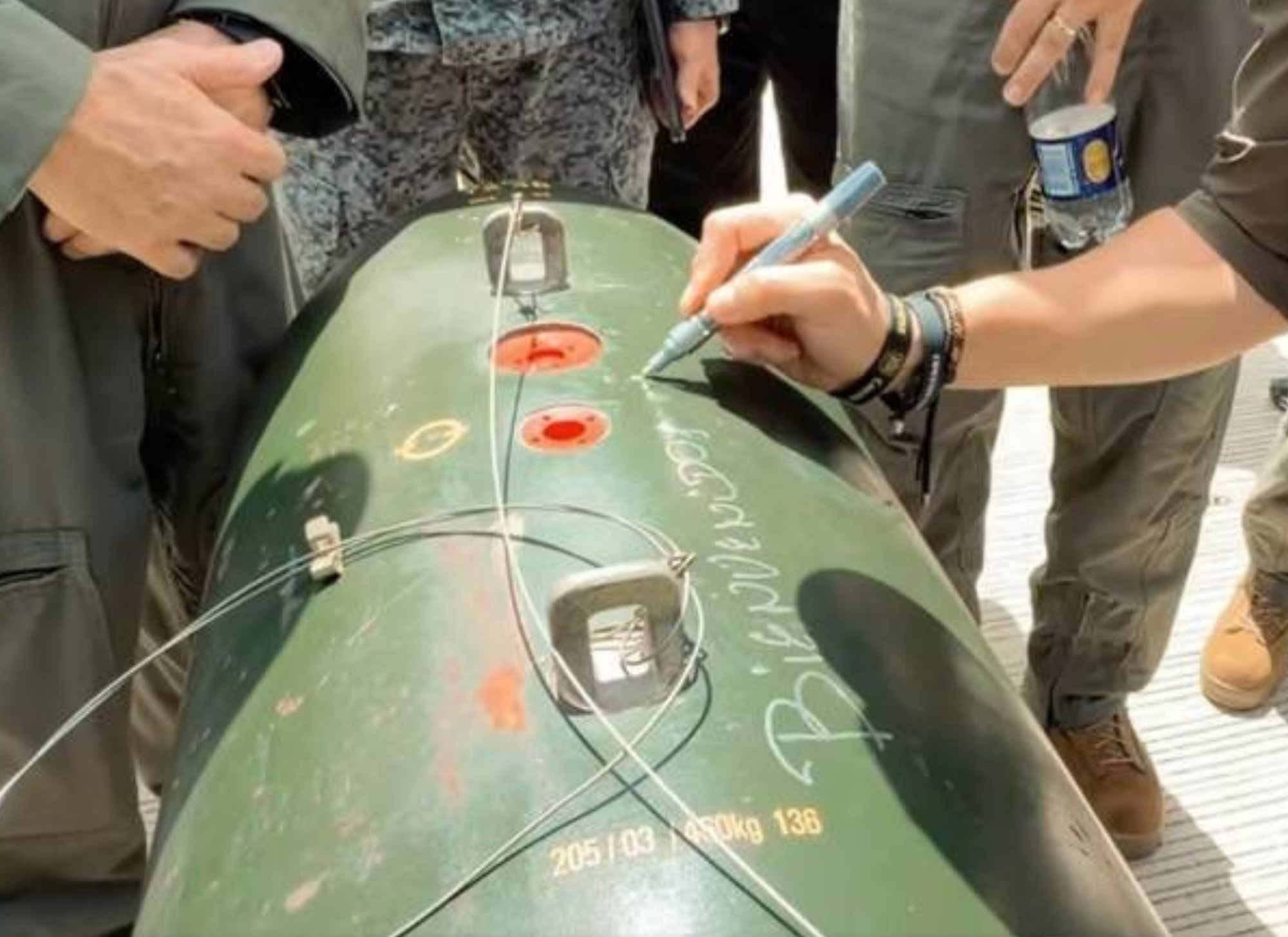
Colombian President Abelardo de la Espriella appeared in camouflage fatigues, a beret and an armed sidearm in Cúcuta this week to present the results of a military operation against FARC dissidents. On camera, he confronted one of the captured men, alias “Barba Chivo,” or “Bearded Goat,” about a bomb the president had personally signed before it was dropped. The appearance, the latest in a series of confrontational security events, has drawn both criticism and praise as the government’s war against criminal networks rage on.
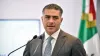
The scene took place on Monday night, November 10, in Cúcuta, Norte de Santander department when Espriella arrived with members of the security forces and Defense Minister Gen. Jorge Mora, wearing tactical camouflage and a beret.
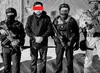
De la Espriella’s beret bore the insignia of the Joint Special Operations Command. In a video he published, the president asked “Barba Chivo” about the bomb. The detainee, hooked up with handcuffs to a barricade, did not respond. The president said the detainees would have to answer to the courts.
The government calls the offensive Operation NOAH. It targeted Front 33 of the FARC dissidents groups, the faction led by alias “Calarcá,” in rural Tibú, in the Catatumbo region. It was the seventh bombing ordered under De la Espriella, who took office August 7.
According to the official tally cited by Pulzo, 10 members of the group were put out of action: six captured and four killed.
“Barba Chivo,” also known as “Costeño,” was identified by the Defense Ministry as Jorge Luis Galvis Rodríguez. Authorities say he has been involved in criminal activity for 11 years and is a trusted associate of alias “Andrey Avendaño,” a leader of the structure, and that he led a commission within Front 33.
Authorities reportedly link him to killings of social leaders, drone attacks on security forces, extortion, recruitment of minors and forced displacement across the region. The bomb that carried the president’s signature held 460 kilograms of explosives and the president’s personal hand-written message reading “Welcome to the Miracle Homeland,” a phrase tied to the president’s slogan.
The camouflage is new, but the pattern is not. Earlier this year, he appeared in an Air Force pilot’s uniform, and in October, during Operation Blindaje 360° in Barranquilla, he confronted alias “Keko” with the line “Viste esa cara de miedo que tienes, la misma cara de miedo de tus víctimas,” — “See that face of fear you have? It’s the same face of fear your victims had.”
The president’s style, which includes uniforms, signed bombs, face-to-face confrontations with those captured, and a personal interest in recent security operations hosted alongside Colombia’s police and military operators is central to the president’s security message, meant to send a message to the criminal groups that the state of Colombia will no longer tolerate nefarious, non-state actors and groups waging violence across the country, and terrorizing the nation’s residents with impunity.
Reporting indicates that his government’s operations have led to more than 30,000 arrests in roughly its first hundred days.
There is also the political and communication dimension of the appearances being conveyed to law-abiding residents, which states: The state is here. The state is with you. The state will protect you. A sentoment that many residents did not feel was being fully represented with the last administation.
The government’s position, in short, is that visible, hardline action signals state control. Mayor of Ibagué, Johana Aranda, has begun imitating the format with detainees in her city.
Critics
Esteban Santos, son of former President Juan Manuel Santos, mocked the president’s appearances, calling De la Espriella a “Cartoonist Matador.” Juan Manuel Santos himself, speaking Tuesday at a forum marking 10 years of the Peace Agreement, said he was troubled to see “a president walking among corpses, showing them off with pride, or signing bombs as if they were a gift,” adding, “I hope that doesn’t send a message of returning to the past.”
Outlets citing Defensoría and police data, reports that extortion, homicides, kidnappings and attacks on security forces have risen since August, including 38 security-force members killed and 213 wounded, and calls much of the security policy more about optics than substance.
Allies
Former President Álvaro Uribe, asked on Semana about the president confronting detainees, backed the government’s security approach. He noted that De la Espriella has been in office three months and inherited a difficult situation from the Petro administration, and said he hoped his determination and support from the U.S. and Israel would improve things.
Pro-government outlets such as Semana present the operations as “heavy blows” against armed groups.
But the bombing campaign has also faced legal challenges from Colombian judicial authorities. Judges ordered limits on strikes where recruited minors may be present.
The Bogotá Superior Tribunal reversed a stricter-precaution ruling on October 23. Whether the president’s appearances change anything on the ground is disputed, and no independent assessment has emerged. For now, the argument turns on whether the public confrontations show resolve or turn military operations into political spectacle.
¡Los cabecillas del narcoterrorismo están cayendo! ¡En Colombia se acabó la impunidad!
— Abelardo De La Espriella (@ABDELAESPRIELLA) November 10, 2026
Desde Cúcuta les muestro a alias ‘Barba Chivo’ o ‘Costeño’, uno de los hombres de confianza de alias ‘Andrey Avendaño’ y cabecilla de comisión de la estructura 33 de la facción de Calarcá.… pic.twitter.com/zvm0Z24I94