

The U.S. targeted strikes on ISIS-affiliates in northwestern Nigeria on Thursday, Christmas Day, are the administration’s most forceful response to a growing call from even the president’s most ardent allies to act against the systemic persecution of Christians in the African country, perpetrated at the hands of Islamic extremists.
Since July, Republican lawmakers on Capitol Hill have been urging the administration to actively engage militarily against the Islamic threat in the Sahel region, which has led to the killings of as many as 100,000 Christians since 2009, according to estimates by research groups.
Nigeria is currently the most dangerous nation for Christian worshippers in the entire world, measured by the number of religiously motivated killings per year per capita, targeting Nigeria’s Christian population.
The nation is divided roughly in half between its Christian population and practicing Nigerian Muslims.
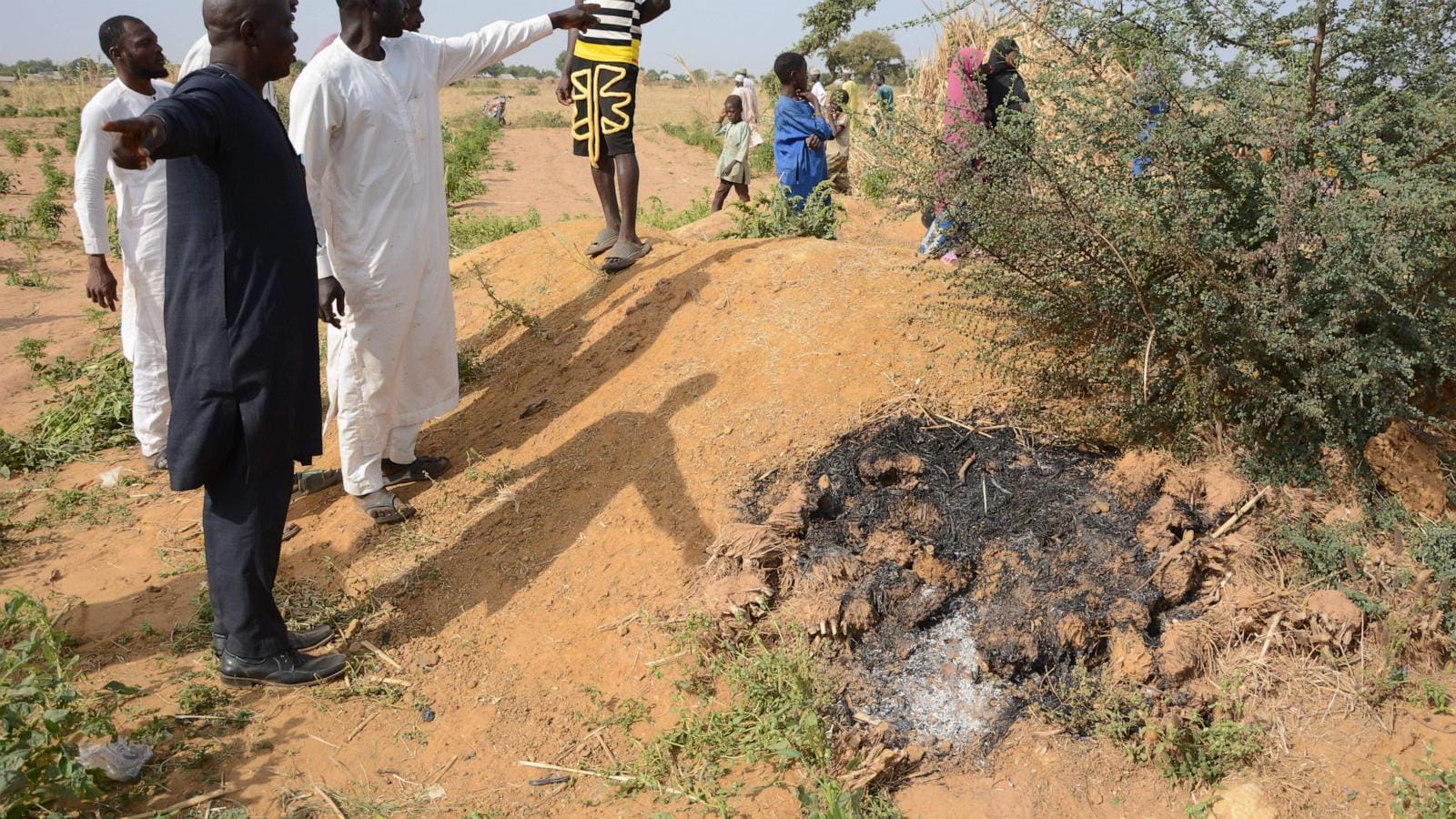
The northwestern region of Sokoto, and the outlining border regions of Burkina Faso to the west, Mali, and Niger to the north, have been terrorized by ISIS-affiliated Muslim extremist groups for years. However, attacks on Sokoto state's approximate 10% Christian population have increased exponentially since 2024.
Sokoto, home to roughly seven million Nigerians, has been targeted by the local Lakurawa sect, a strict Sunni extremist movement residing in the region. The group also claims ties to the Islamic State’s Sahel Province branch, spanning across the region’s four nations in Mali, Burkina Faso, Niger, and Nigeria to the south.
On Thursday, the United States launched a series of Tomahawk cruise missiles in the Christmas Day strike, in what President Trump called “a very bad Christmas present” for the ISIS-affiliated targets.
The president also stated in a post following the strikes:
“I have previously warned these Terrorists that if they did not stop the slaughtering of Christians, there would be hell to pay, and tonight, there was. The Department of War executed numerous perfect strikes, as only the United States is capable of doing.”
The impact of the U.S. strikes and whether they successfully struck their intended targets has yet to be determined, and a comprehensive damage assessment by U.S. military and/or intelligence officials has not been executed at the time of writing.
According to sources with The New York Times, a U.S. military official stated to reporters on the condition of anonymity that the strikes were carried out in such a secluded area in the country’s northwest that it may take a few days for U.S. analysts to reach the location and assess any damage the strikes may have caused.


