

Venezuelan opposition leader, María Corina Machado, 58, is set to receive the Nobel Peace Prize at the committee's award ceremony in Oslo, Norway, on Wednesday.
A press conference that was expected to take place earlier Tuesday was initially postponed, then cancelled by officials when it became unclear whether the opposition leader and Nobel Prize winner would be able to collect her award from the committee members in person.
Corina Machado's exact whereabouts are unknown, as she expressed before her journey that the travel would be challenging with the knowledge that there have been threats made against her life in connection to her long-fought battle against the dictatorial oppression of the Maduro regime in Venezuela.
On December 7, Diosdado Cabello, Venezuelan Interior Minister and close confidant of President Nicolás Maduro, held a public broadcast in which the second-in-command appeared to mock Corina Machado, making fun of the claim by the opposition leader that she is a target of political persecution, admonishing that this must not be true if she can travel to Norway.
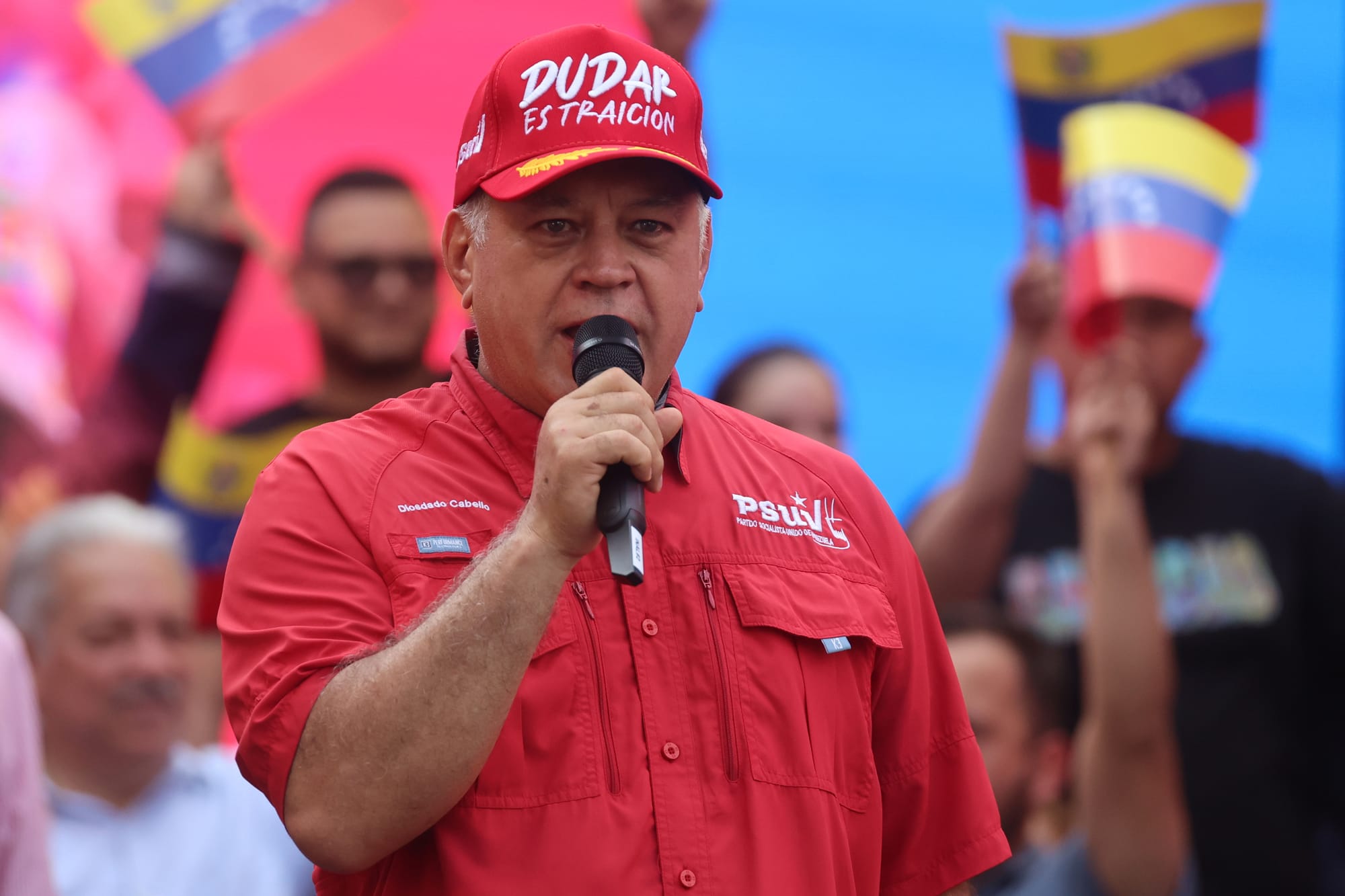
"She left the country on a plane with diplomatic immunity... and was off the radar 72 hours", Cabello reported.
Venezuela’s attorney general, Tarek William Saab, said last month that the opposition leader would be considered a "fugitive" if she travelled to Norway to accept the prize.
"By being outside Venezuela and having numerous criminal investigations, she is considered a fugitive", Saab added. Corina Machado is currently accused by the Maduro government of "acts of conspiracy, incitement of hatred and terrorism."
Corina Machado was last seen publicly at a demonstration on January 9, 2025, protesting an inauguration ceremony for President Maduro's third term.
Four South American presidents, including Daniel Noboa of Ecuador, Santiago Peña of Paraguay, José Raúl Mulino of Panama, and Javier Milei of Argentina, will attend the Nobel Peace Prize ceremony for María Corina Machado in Oslo, a Latin American expression of solidarity for democratic values in the region.
The events come as a large-scale U.S. military deployment in the South Caribbean continues to take shape, focusing on conducting anti-drug trafficking operations in the region, culminating in more than a dozen strikes on suspected drug vessels in international waters, killing 80.


