

Our Monday Sociedad Media Now newsletter focusing on the region’s top stories in Latin American Democracy & Political Instability in Venezuela, Brazil & Argentina, and the latest news across the wires in Cuba.
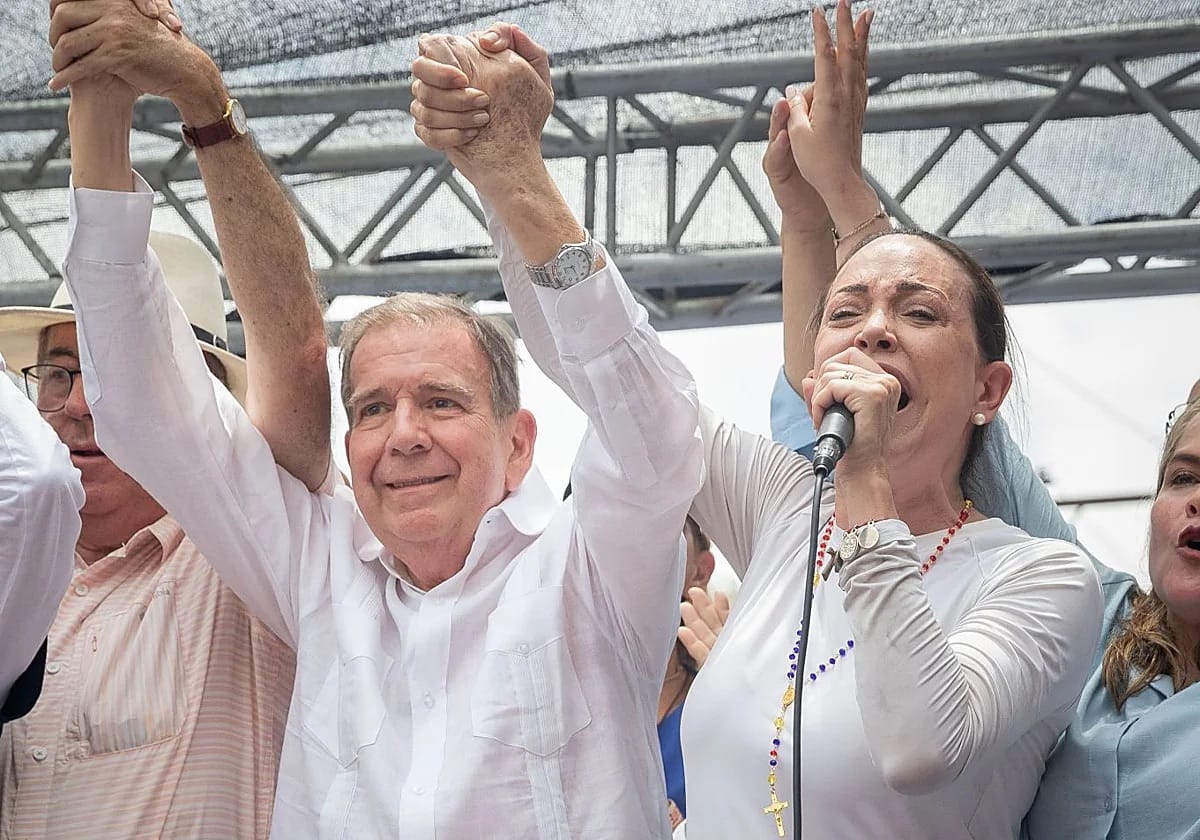
Machado & González Formally Reject U.S.-Backed Venezuela Dialogue With Rodríguez Regime
MIAMI — María Corina Machado and Edmundo González announced they will not join the U.S.-backed dialogue process set to begin August 1 between Delcy Rodríguez’s interim government and a faction of the opposition, saying the mechanism was designed entirely without them.
The two stopped short of blocking the talks, instead pledging to return to Venezuela and pursue a parallel “Gran Acuerdo Nacional para la Reconstrucción de la República” — Great National Agreement for Reconstruction — a split that raises the question of whether Washington’s transition process produces real democratic change, or a negotiated arrangement that sidelines the opposition’s clearest electoral mandate.
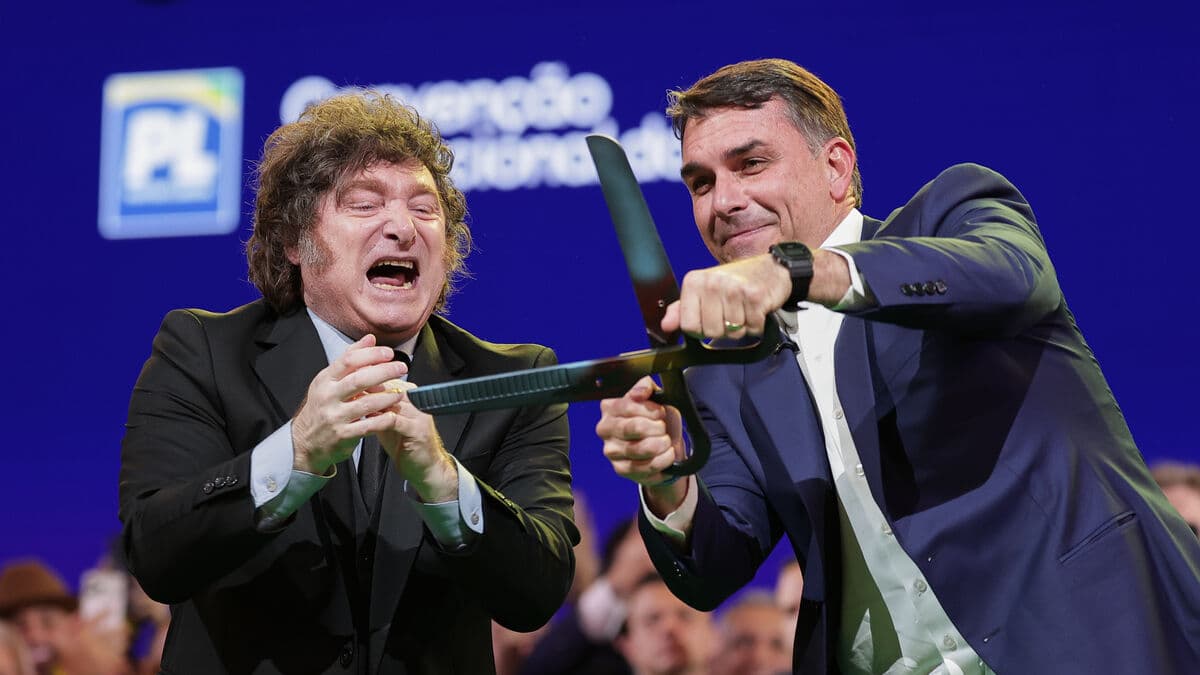
Milei-Lula Feud: Argentina & Brazil in Diplomatic Standoff as Tensions Escalate Ahead of Region’s Biggest Election
BRASÍLIA — Brazil recalled its ambassador to Argentina after President Milei called Lula a “convict” and a “thief” and a Supreme Court justice “bald trash” at Flávio Bolsonaro’s presidential campaign launch — remarks that followed a court decision denying Milei’s request to visit the imprisoned Jair Bolsonaro.
The episode lands days before Brazil’s October 4 election, one of the most competitive in a generation, with both campaigns already framing international developments, including this dispute, as relevant to their case for the presidency.
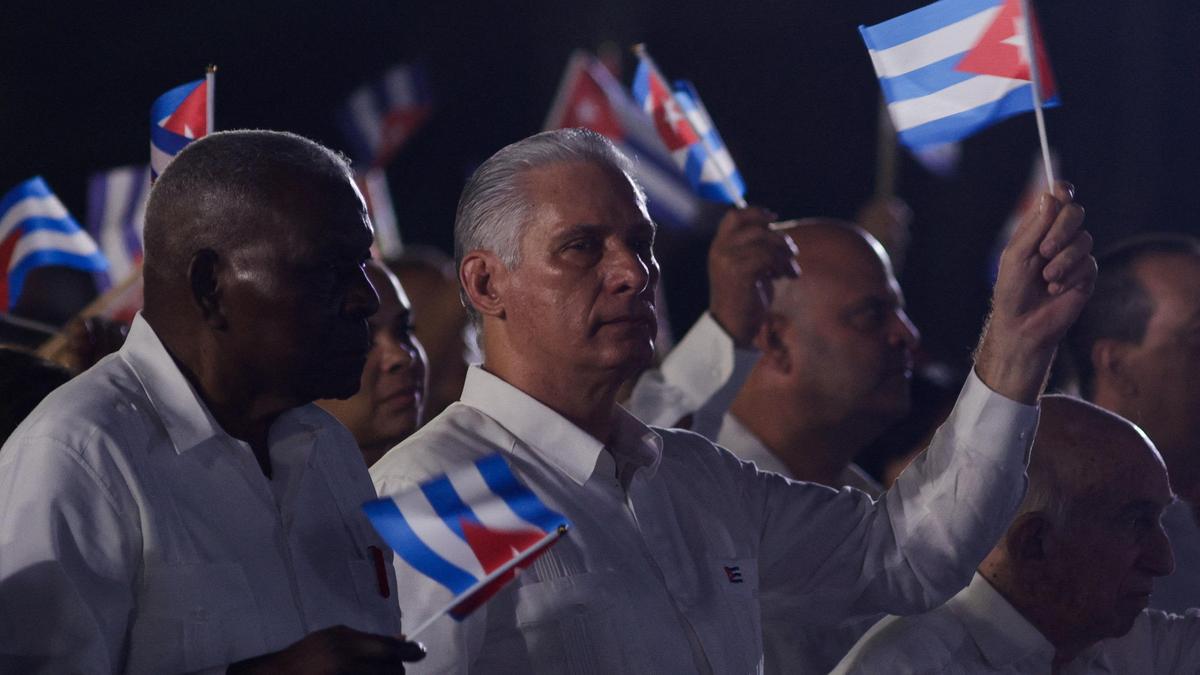
Díaz-Canel Compares U.S. Policy Towards Island To “Nazis,” Accuses Washington Of Genocide as Energy Crisis Deepens
MIAMI — Cuban President Miguel Díaz-Canel marked the 73rd anniversary of the Moncada Barracks assault by comparing U.S. officials to Nazi-era administrators and accusing Washington of a “coldly calculated genocide” against the island, as blackouts stretch past 30 hours in Havana and days longer in the interior.
The remarks come as a marked escalation in U.S. pressure — from a new State Department report to sanctions targeting Cuba’s medical missions — even as Havana had confirmed direct talks with Washington earlier this year, raising questions about which track, confrontation or negotiation, actually defines the relationship going forward.


