

BOGOTÁ – Millions of Colombians went to the polls Sunday in what analysts are calling the most consequential congressional vote in a generation, electing a new legislature while simultaneously staging three presidential coalition primaries—all as a deeply polarized nation grapples with election integrity fears, a turbulent relationship with Washington, and the looming question of who will govern after President Gustavo Petro leaves office in August.
The elections renewed all 103 Senate seats and all 183 seats in the Chamber of Representatives, with more than 3,000 candidates from dozens of parties competing in a race analysts predicted would produce a highly fragmented Congress with no single bloc likely to win a majority in either chamber.
Polling stations opened at 8 a.m. local time and remained open until 4 p.m., after which the preliminary count began—with results expected to ripple far beyond the legislature and into the presidential contest scheduled for May 31.
A Dress Rehearsal for May
Sunday’s vote was widely viewed by analysts and parties as a dress rehearsal before the presidential contest, with results offering a measure of each political bloc’s mobilization capacity and real electoral weight.
The congressional outcome will also determine what analysts call “gobernabilidad”—the next president’s ability to govern—and the kinds of coalitions and arrangements the incoming administration will need to navigate to pass legislation.
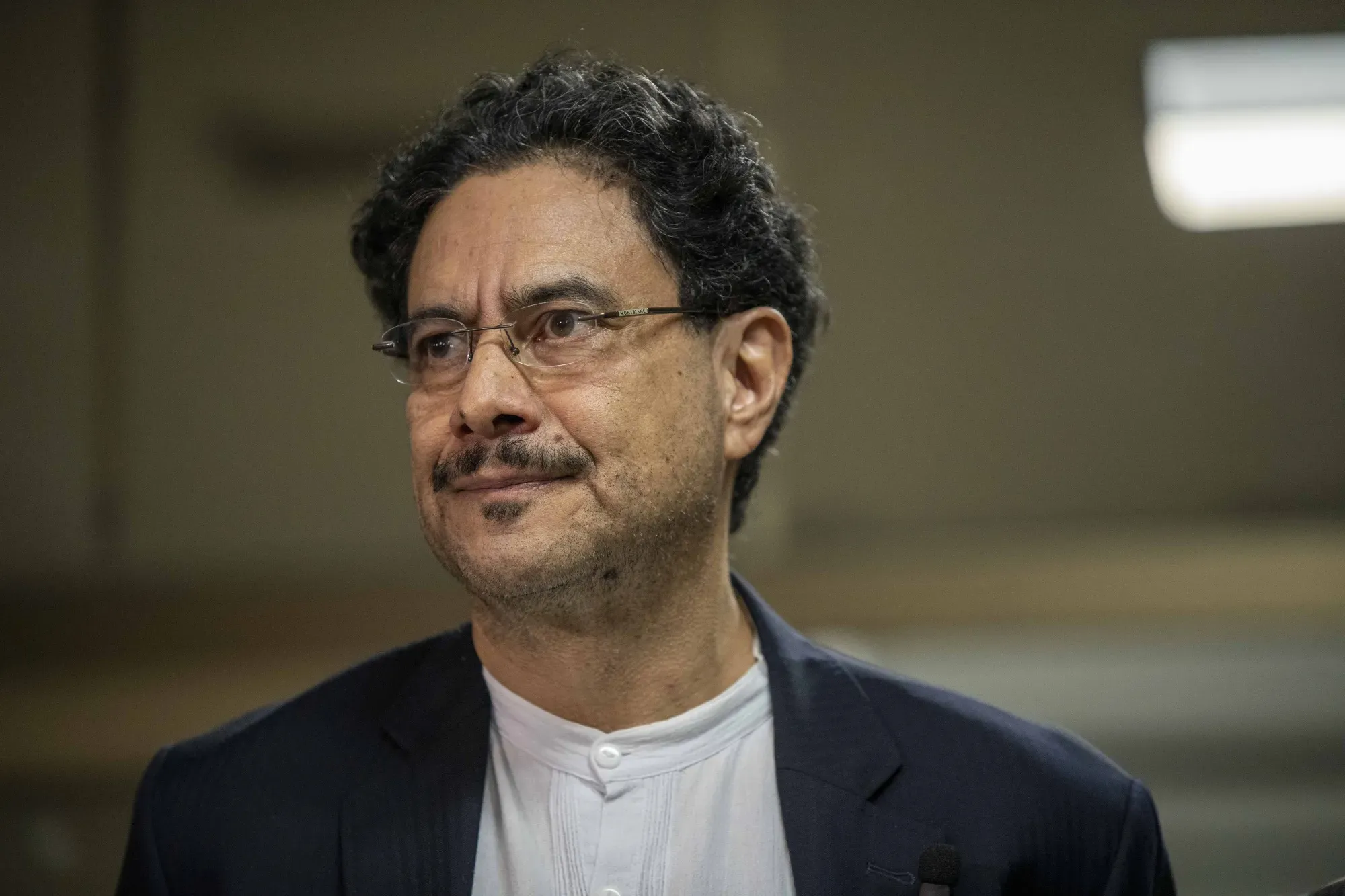
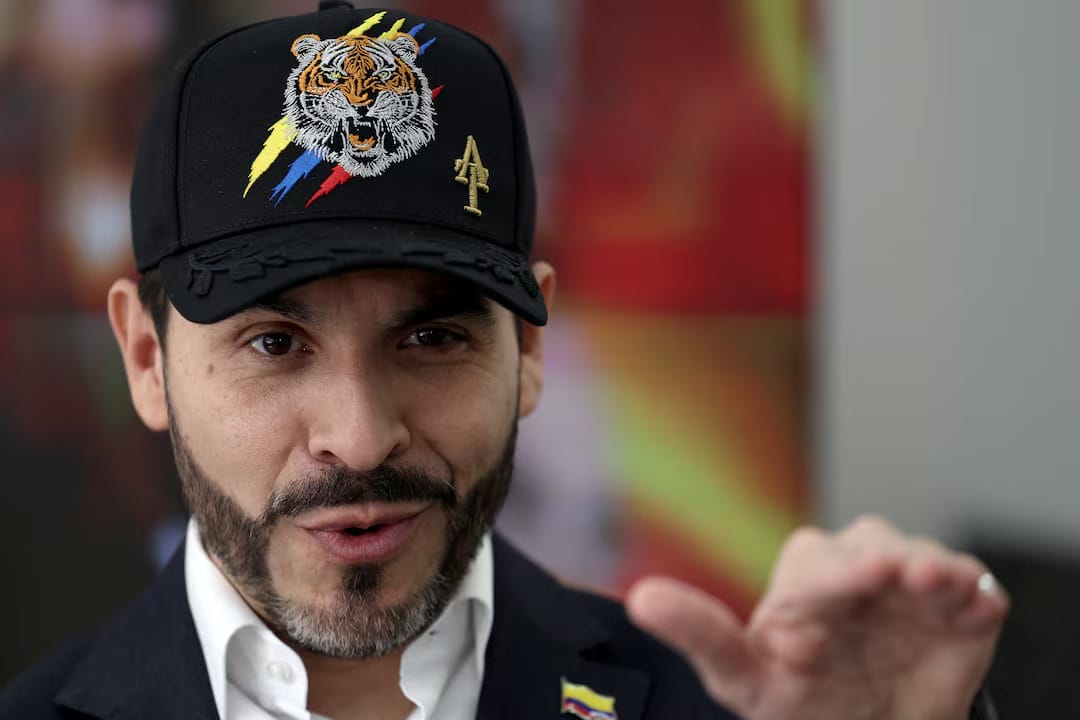
All polls heading into election day agreed that Iván Cepeda of Petro’s left-wing Pacto Histórico (Historic Pact) coalition and right-wing candidate Abelardo de La Espriella were the top two contenders in the presidential race, with no one else within striking distance.
The Pacto’s performance in congressional races on Sunday will be closely watched as a proxy for how much political capital remains behind Petro’s coalition heading into the final stretch of his presidency.
More than 3,200 candidates competed across 524 candidate lists filed with Colombia’s National Civil Registry, with some of the main party lists—including the Historic Pact and the Democratic Center—running closed lists, while others competed under the traditional open-list format.
Security was extensive, with more than 126,000 law enforcement officers deployed nationwide. The European Union sent 40 observers to monitor the process, and the ELN guerrilla organization declared a unilateral ceasefire on February 20 specifically to allow the election to proceed.
Integrity Fears Shadow the Vote
The election unfolded under a cloud of competing narratives about its fairness. In the weeks leading up to Sunday, Petro revived unsubstantiated warnings about electoral software, publicly accusing vote-counting contractor Thomas Greg & Sons of representing a systemic risk to electoral integrity—remarks delivered before thousands of supporters in Bogotá’s Bolívar Square that carried significant political weight even without supporting evidence.
Election authorities and civil society groups moved quickly to push back. Colombia’s national registrar Hernán Penagos stated flatly that the electoral system is the same one that has elected presidents for decades, including Petro himself, while Interior Minister Armando Benedetti convened a joint press conference with the Commanders of the Armed Forces, the Inspector General, and the Comptroller General to present their “Plan Democracia 2026” and reassure the public.
Alejandra Barrios, director of the independent Electoral Observation Mission (MOE), expressed concern over what she described as a “narrative” aimed at calling into question the legitimacy of results before a single vote had been counted, stating clearly that no risk of fraud existed in the data transmission and consolidation system.
The Organization of American States (OAS) also weighed in before election day, issuing a statement flagging risks and irregularities in Colombia’s broader electoral process—a move widely interpreted as an indirect warning to Petro that international observers were watching closely, and that any post-election dispute over results would not go unscrutinized.
Beyond software disputes, a recent journalistic investigation alleged that Colombia’s special peace seats—created to give a voice to victims of the internal armed conflict between the national state and various insurgent groups—were being captured by local political clans, particularly in the Catatumbo region, one of the areas most affected by ongoing violence.
Washington’s Long Shadow Over Bogotá
Sunday’s elections also carried unmistakable geopolitical weight for the United States, specifically the administration in Washington, which has watched Colombia’s political trajectory with mounting concern—and, more recently, cautious optimism.
The U.S.-Colombia relationship reached a historic low point after Petro refused to accept military deportation flights in January 2025, prompting the Trump White House to threaten 25% tariffs, a travel ban, and a slowdown in inspections of Colombian cargo and visitors.
Colombia capitulated within hours, but the confrontation set the tone for a year of bilateral turbulence. By October, the Trump administration had placed Petro, his wife, his son, and a close adviser on OFAC’s sanctions list of Specially Designated Nationals—an extraordinary step against a sitting head of state of a historically allied Latin American nation.
A dramatic diplomatic reversal came on February 3, when Petro traveled to the White House for a two-hour Oval Office meeting with President Trump. The U.S. president called Petro “terrific” after the meeting, while Petro left with an autographed MAGA hat and a copy of “The Art of the Deal”—a surreal scene given the months of mutual threats that preceded it.
The positive outcome carried important implications not only for the bilateral relationship but also for Colombia’s domestic political landscape, as it limited the opposition’s ability to campaign on claims that Petro had caused irreparable damage to ties with Washington.
Analysts note that all presidential candidates from the center and right have stated their intention to repair the bilateral relationship, strengthen security cooperation, and support a democratic transition in Venezuela—positions that align closely with Washington’s current regional priorities. The composition of the new Congress will signal how much institutional support any future administration will have to deliver on those commitments.
What Happens Next
Colombia’s presidential election is scheduled for May 31, with a runoff on June 21 if no candidate secures a majority in the first round.
The congressional results announced Sunday evening will determine the legislative landscape that the next president inherits—and whether they will be able to govern effectively or face the same gridlock that stalled much of Petro’s ambitious reform agenda.
Petro’s term has been marked by few major legislative victories—a tax reform and a pension reform—while efforts to overhaul healthcare, labor law, education, and agricultural policy were either rejected by Congress or remain pending.
The incoming president will inherit a fragmented legislature and the challenge of assembling workable coalitions in a country where political polarization between left and right has never been sharper.
Sunday’s Congressional elections will be a direct signal of whether Colombia and its citizens will move toward stability, deeper ties with the United States, or continued turbulence.
The results, expected in the hours following poll closure, will begin to answer that question.
🚨🇨🇴 | AHORA/SOUTH AMERICA: At least 40 million Colombian voters will head to the polls for Colombia’s 2026 Congressional elections, to determine what the May 31 presidential election could look like as polls are expected to close at 4:00 p.m.
— Sociedad Media (@sociedadmedia) March 8, 2026
What will the results show? A… pic.twitter.com/fJTvcud1ui


