

MIAMI – Two months after U.S. forces captured Nicolás Maduro in a predawn raid on Caracas, Washington and Venezuela’s interim government have done what once seemed unthinkable—they have agreed to rejoin the table of mutual dialogue.
The United States and Venezuela agreed on Thursday to reestablish diplomatic relations in a major shift in a historically adversarial relationship, confirmed by the State Department, which said talks between both countries were focused on helping the Venezuelan people move forward through a phased process that creates the conditions for a peaceful transition to a democratically elected government.
On Friday, the acting President of Venezuela, Delcy Rodríguez, later confirmed the restoration of relations with the U.S. Friday.
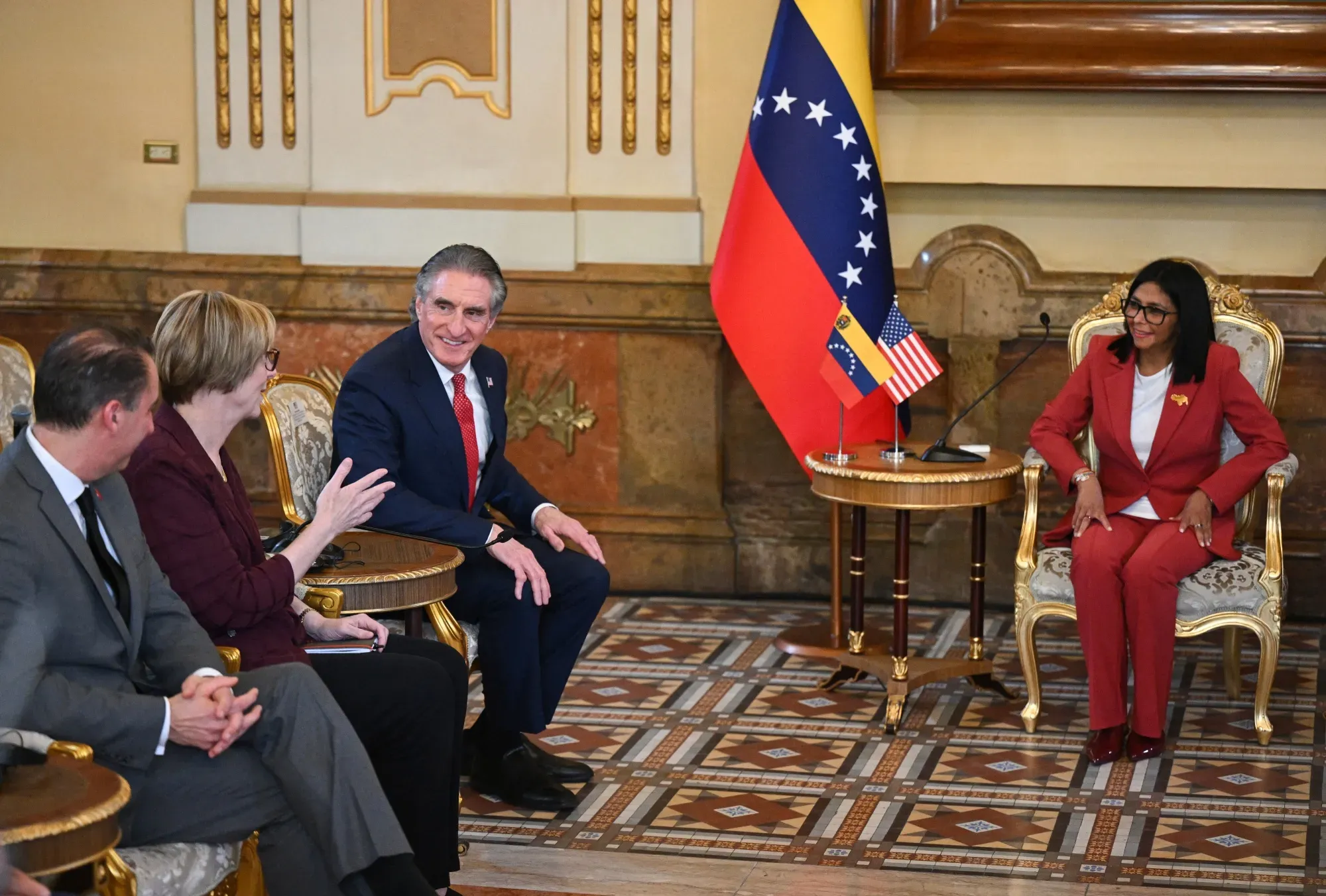
The announcement came at the conclusion of a two-day visit to Caracas by U.S. Secretary of the Interior Doug Burgum, who traveled to Venezuela to discuss security guarantees for mining companies interested in investing in the country’s mineral deposits, including gold and other strategic resources.
During the visit, acting President Delcy Rodríguez publicly welcomed the diplomatic initiative, saying the steps being taken by both governments would strengthen relations between the two countries.
The rapprochement has been building steadily since January. CIA Director John Ratcliffe, Energy Secretary Chris Wright, and U.S. Southern Command chief Francis Donovan have all made visits to Caracas in recent weeks—a diplomatic parade that signaled Washington’s intentions well before Thursday’s formal announcement.
Seven Years in the Making
The Maduro government severed ties with Washington in 2019 after the first Trump administration recognized opposition leader Juan Guaidó as Venezuela’s legitimate president, prompting the mutual closure of both countries’ embassies.
The restoration announced Thursday ends that seven-year rupture, with Chargé d’Affaires Laura Dogu set to become the first U.S. ambassador to Venezuela in nearly a decade, while Félix Plasencia is expected to serve as Venezuela’s top diplomat in Washington.
The State Department statement did not specify when full embassy operations or visa services would resume, and did not address potential additional sanctions changes or outline migration and security cooperation measures going forward.
Sanctions Relief—But Not a Clean Slate
While the diplomatic restoration is historic, the sanctions picture is more nuanced than a clean sweep.
The United States lifted sanctions on Venezuelan oil trade following Maduro’s removal and issued licenses for companies to trade Venezuelan oil, with Washington and Caracas also agreeing to a 50-million-barrel oil supply deal—the first $300 million of which was received on January 20.
However, U.S. authorities have not clarified whether Venezuela’s government will regain access to U.S.-based bank accounts and other assets, as several state entities—including P.D.V.S.A. and the Central Bank—remain under Treasury sanctions.
The formal recognition of the Rodríguez administration is expected to pave the way for debt renegotiation, with Venezuela’s liabilities estimated at $170 billion after sanctions prevented the country from servicing its debt for years.
What Rodríguez Said
Rodríguez expressed confidence that reestablishing relations would contribute to strengthening understanding and opening opportunities for a positive and mutually beneficial relationship.
“These relations ought to result in the social and economic happiness of the Venezuelan people,” she said.
For Miami’s Venezuelan community—the largest outside Venezuela itself—Thursday’s announcement is the most tangible sign yet that the country they fled is entering a new chapter.
Whether that chapter delivers the democratic transition Washington has promised or simply a reshuffled version of the Chavismo they escaped, remains the defining question of Venezuela’s fragile new era.
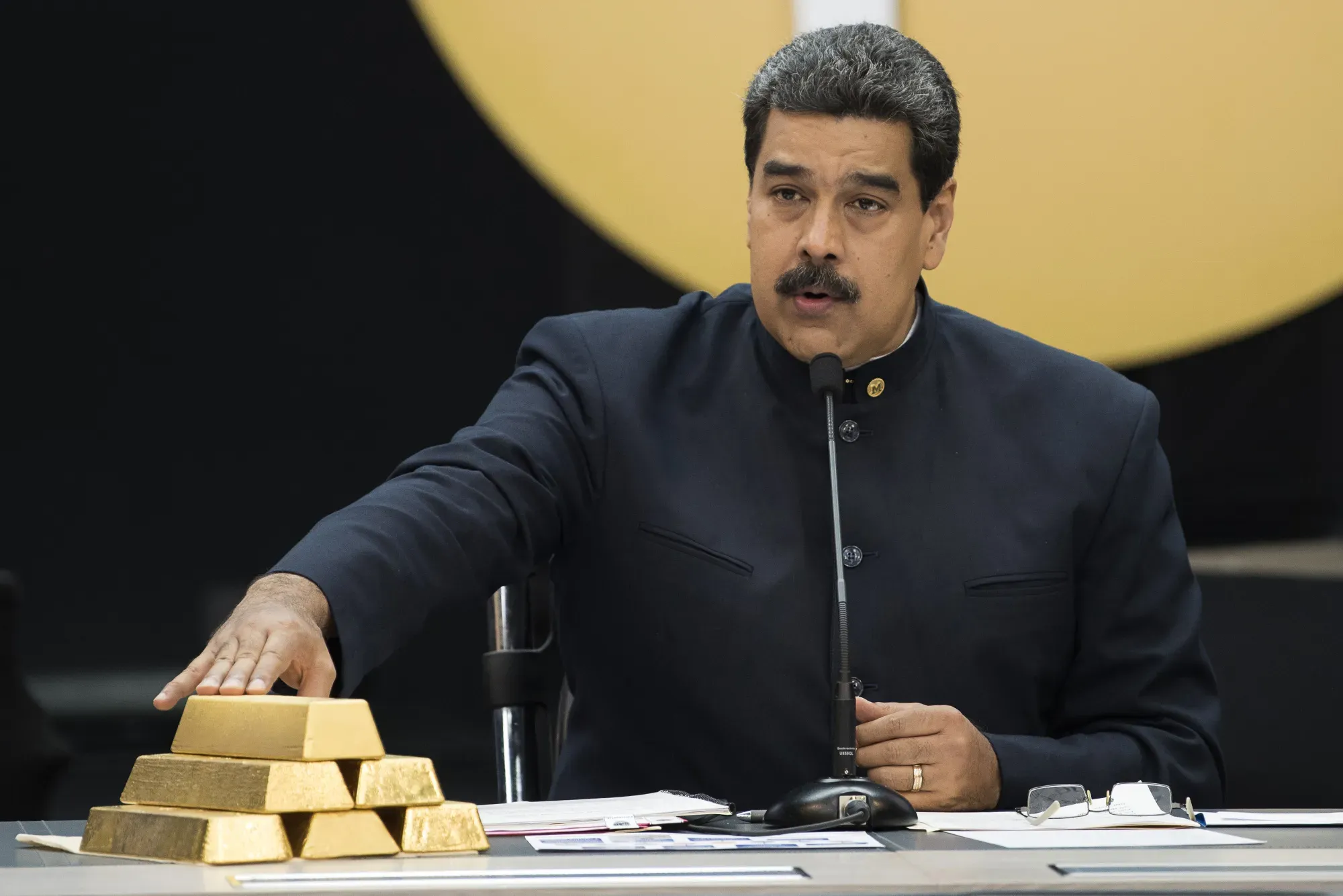
Washington Strikes Gold: U.S. Treasury Licenses Venezuelan Bullion in Third Major Resource Deal Since Maduro's Capture
MIAMI – The U.S. Trump administration is now extending its reach from Venezuela’s rich oil fields to its deeply hidden gold mines—formalizing a bullion deal that opens a trade channel between Caracas and Washington that has been effectively closed for years.
The U.S. Treasury Department published a limited export license on Friday that authorizes Venezuela’s state-owned mining company, Minerven, and its subsidiaries to export, transport, and sell Venezuelan gold to the United States, within the parameters established under existing U.S. law.
The commercial arrangement at the centre of the license requires Minerven to supply between 650 and 1,000 kilograms of gold doré bars to Singapore-based commodities trader Trafigura, with the contract specifying a 98% final gold content. Trafigura will then be contracted to transport the gold to U.S. refineries.
At current market rates, a kilogram of pure gold is valued at approximately $166,000—placing the total deal’s worth at more than $100 million at the upper end of the contracted volume.
Interior Secretary Doug Burgum, who arrived in Caracas on Tuesday, accompanied by more than two dozen mining companies, traders, and investors, helped facilitate the agreement during a two-day visit to the Venezuelan capital.
A White House official said Burgum’s trip “sealed the deal,” adding: “We are helping Venezuela restore their mining sector, which will help American industry get the minerals we need,” Burgum said.
The gold deal is the third resource extraction arrangement concluded under the Trump administration’s supervision of the regime in Caracas since Maduro’s removal in early January, following two oil contracts with Trafigura worth more than $1 billion combined.
Trump posted on Truth Social: “The oil is beginning to flow, and the professionalism and dedication between both countries is a very nice thing to see!”
The Treasury license carries a significant restriction: no Venezuelan gold may be transferred to Cuba, North Korea, Iran, or Russia under its terms. Payments to any sanctioned individuals must flow through the Treasury-administered Foreign Government Deposit Fund accounts, the same mechanism used to manage proceeds from Venezuelan oil sales.
Rodríguez, responding to Burgum’s visit, committed to submitting a proposal to reform Venezuela’s mining laws to the country’s legislature, which would open gold, diamond, and rare earth extraction to foreign investment for the first time under a formal legal framework.
For years, Venezuelan gold moved largely through informal and opaque trading networks—including intermediaries operating outside conventional bullion markets—because Western financial channels were blocked by sanctions.
The Minerven-Trafigura agreement restores a formal commercial pathway connecting Venezuelan mining output to Western refining infrastructure for the first time in years.
Critics have argued that Washington’s rapid resource deals—oil, gold, and now mining law reform—amount to economic exploitation of a country under de facto U.S. political control.
One source familiar with both the gold and oil arrangements pushed back, arguing the deals benefit Venezuela more now because the country has access to U.S. markets and a stable financial system, and that money for Venezuela’s resources will go to Venezuela’s government and its people rather than to black-market smugglers as in the past.


