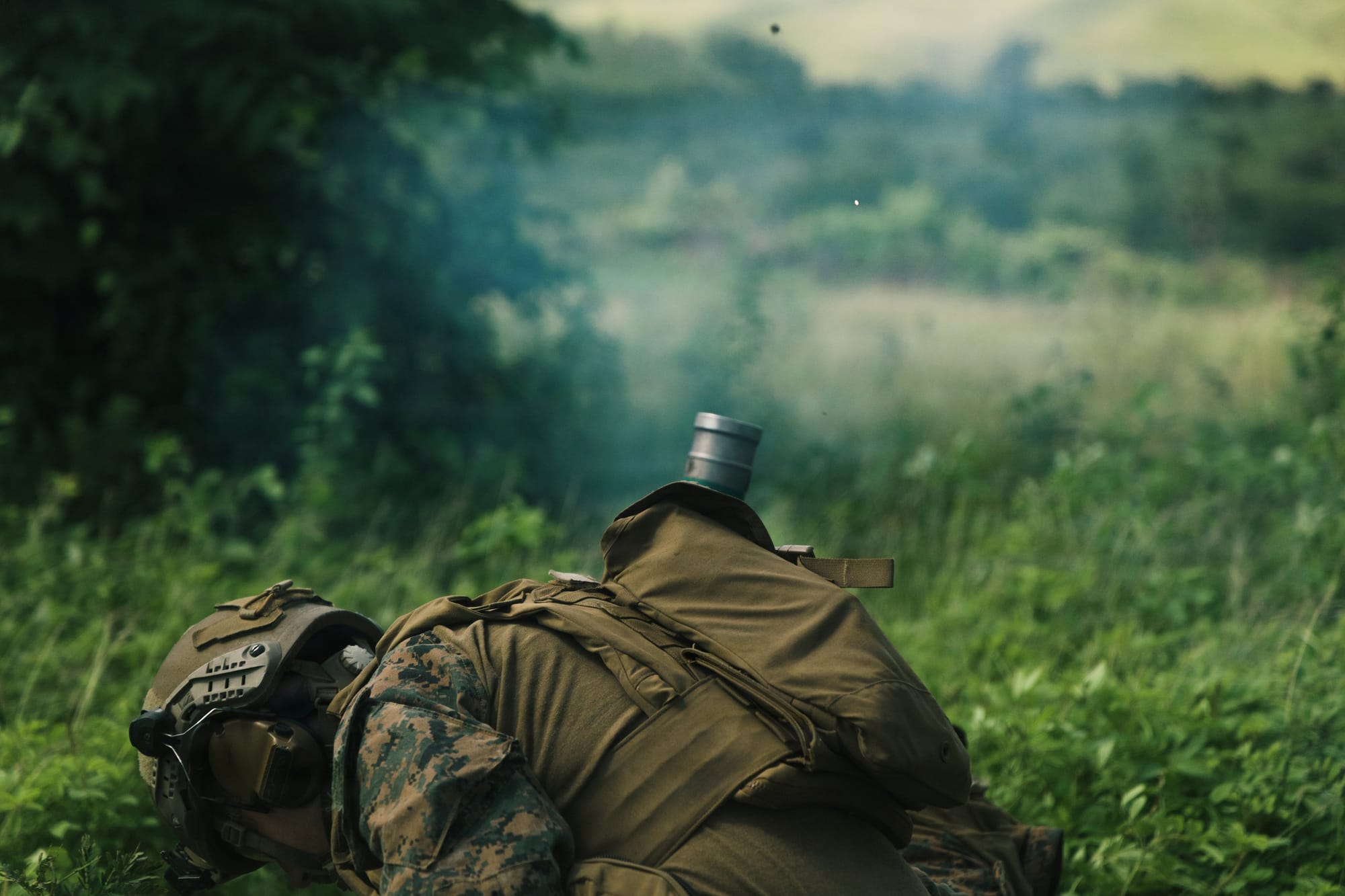
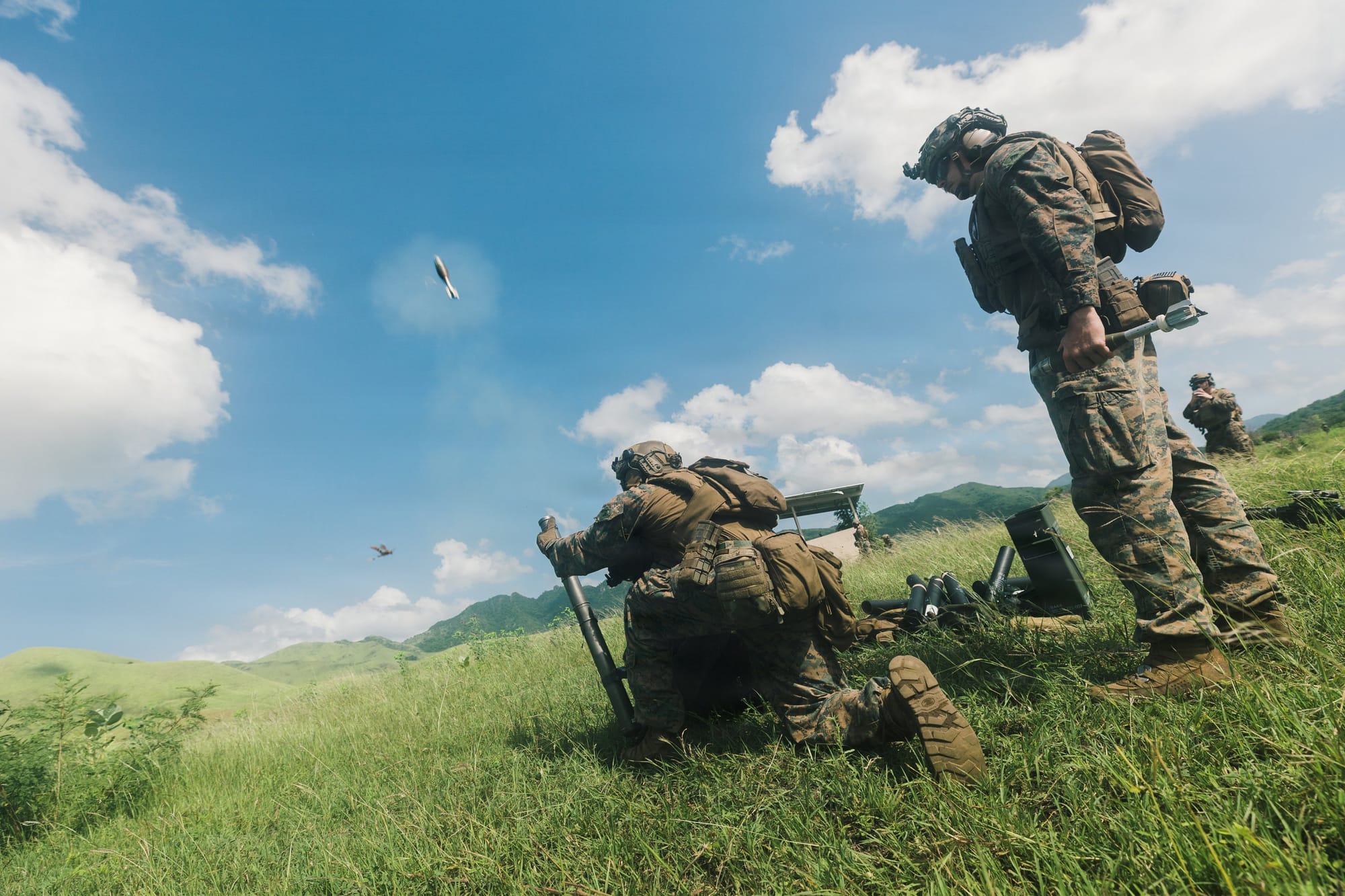
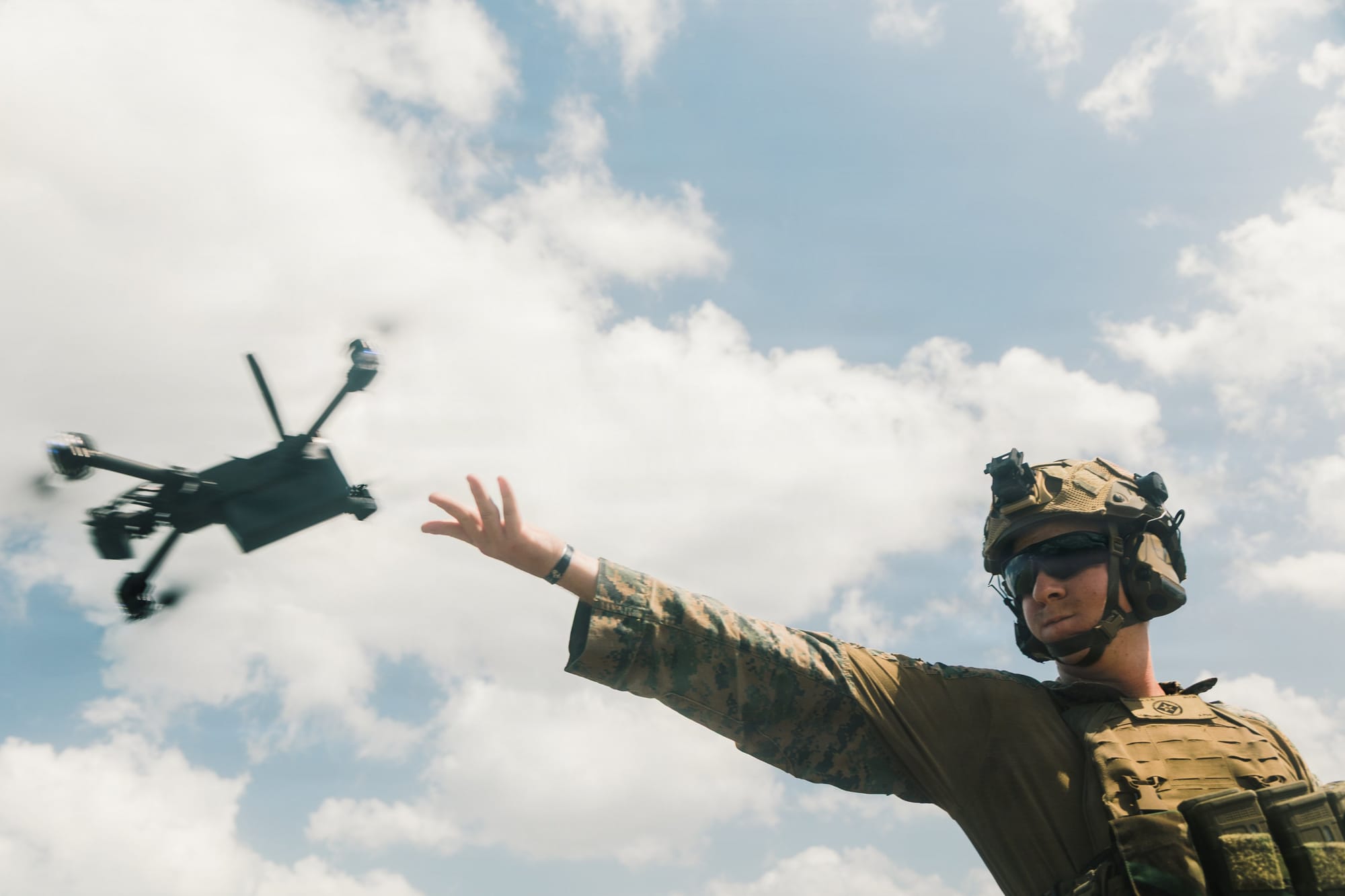
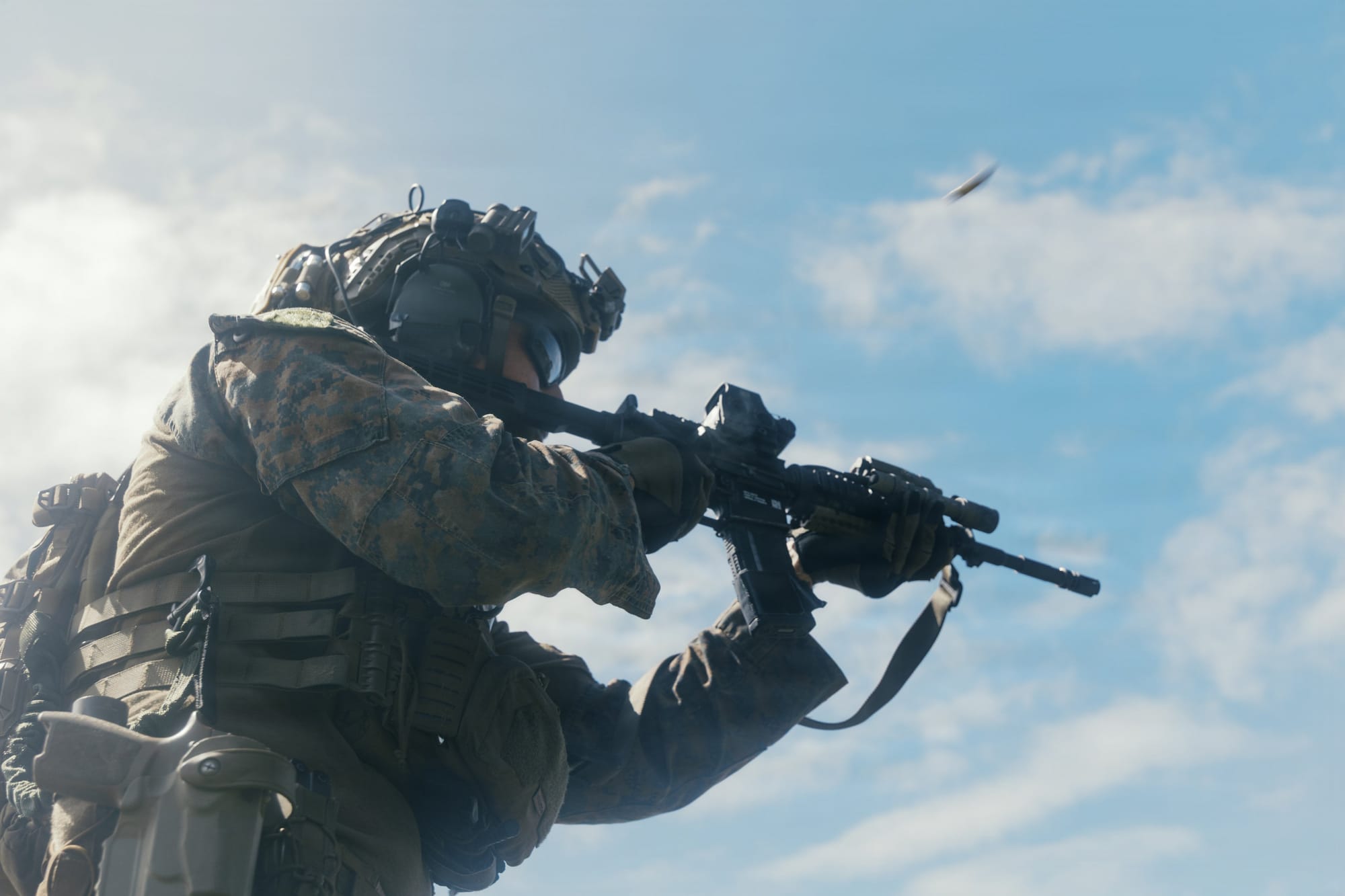
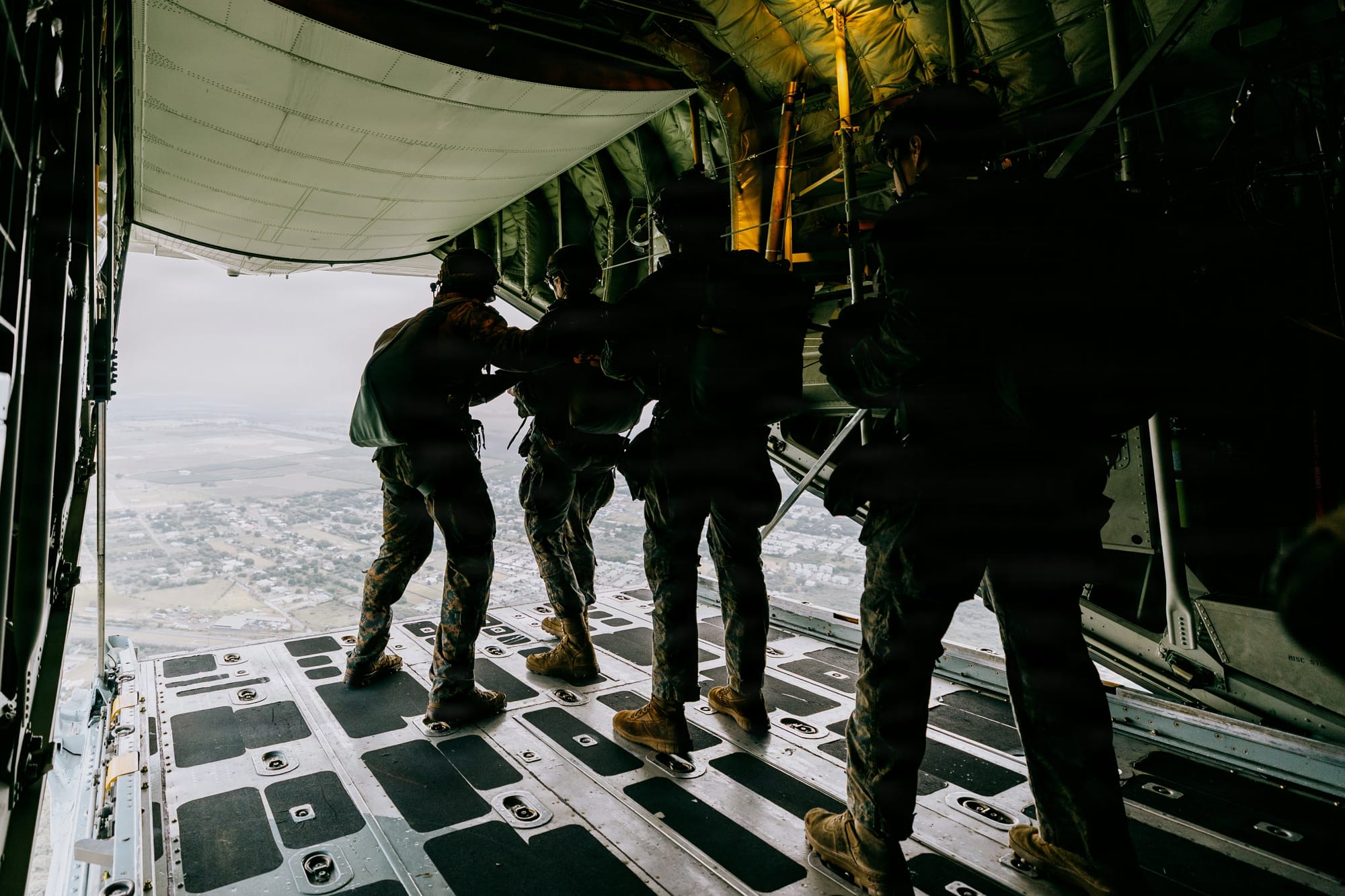
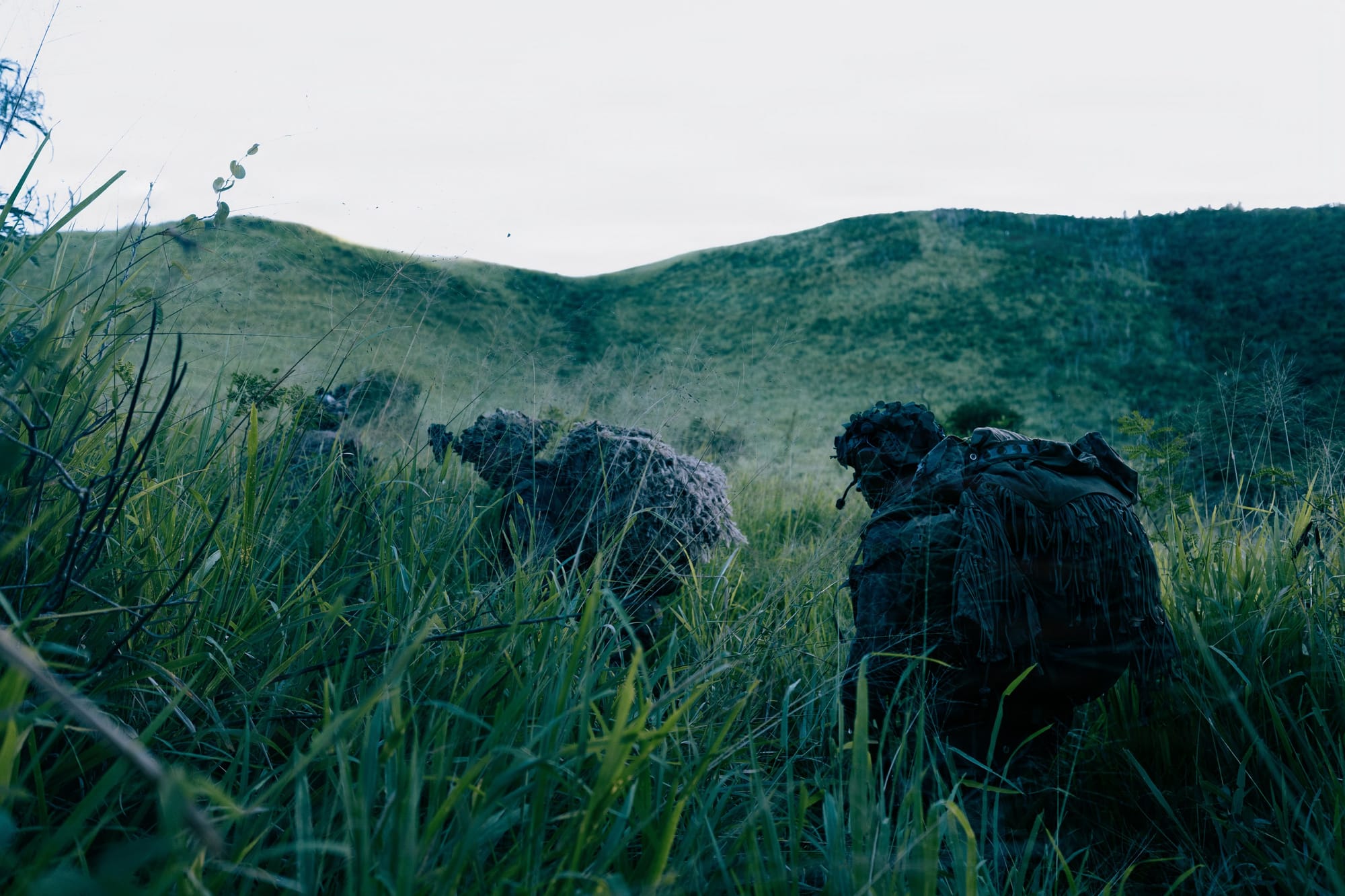
Since late August, U.S. Marines from the 22nd Marine Expeditionary Unit (Special Operations Capability) have been arriving on the shores of Puerto Rico to conduct amphibious training and military exercises as part of the Pentagon's large-scale deployment of assets in the Caribbean region.
Tensions in the region have grown since the Trump administration re-tailored a new approach to the Venezuelan regime of Nicolás Maduro, gradually enclosing the north Venezuelan coast in an effort to crack down on the relentless supply of illicit narcotics trafficked through the region, destined for the United States.
Officials in Washington assert that criminal drug trafficking networks generate valuable revenues to the regime's coffers in Caracas, allowing the Venezuelan government to perpetuate its criminal activities and undermine neighboring democracies in the region.
On November 16, the U.S. State Department moved forward on designating the Venezuela-backed 'Cartel de Los Soles'–or 'Cartel of the Suns'–as a Foreign Terrorist Organization (FTO), providing the government in Washington an expansive array of military capabilities to target and weaken the criminal enterprise.
President Trump and Secretary of State Marco Rubio have remained consistently aggressive in their complaints towards the Maduro regime and a criminal organization which the U.S. claims is led by officials of the Maduro government and members of the top brass of the Venezuelan Armed Forces.
Earlier in the year, the U.S. administration raised the official bounty for information leading to the arrest and capture of Maduro to $50 million, declaring the Venezuelan government a "narco-terrorist enterprise".
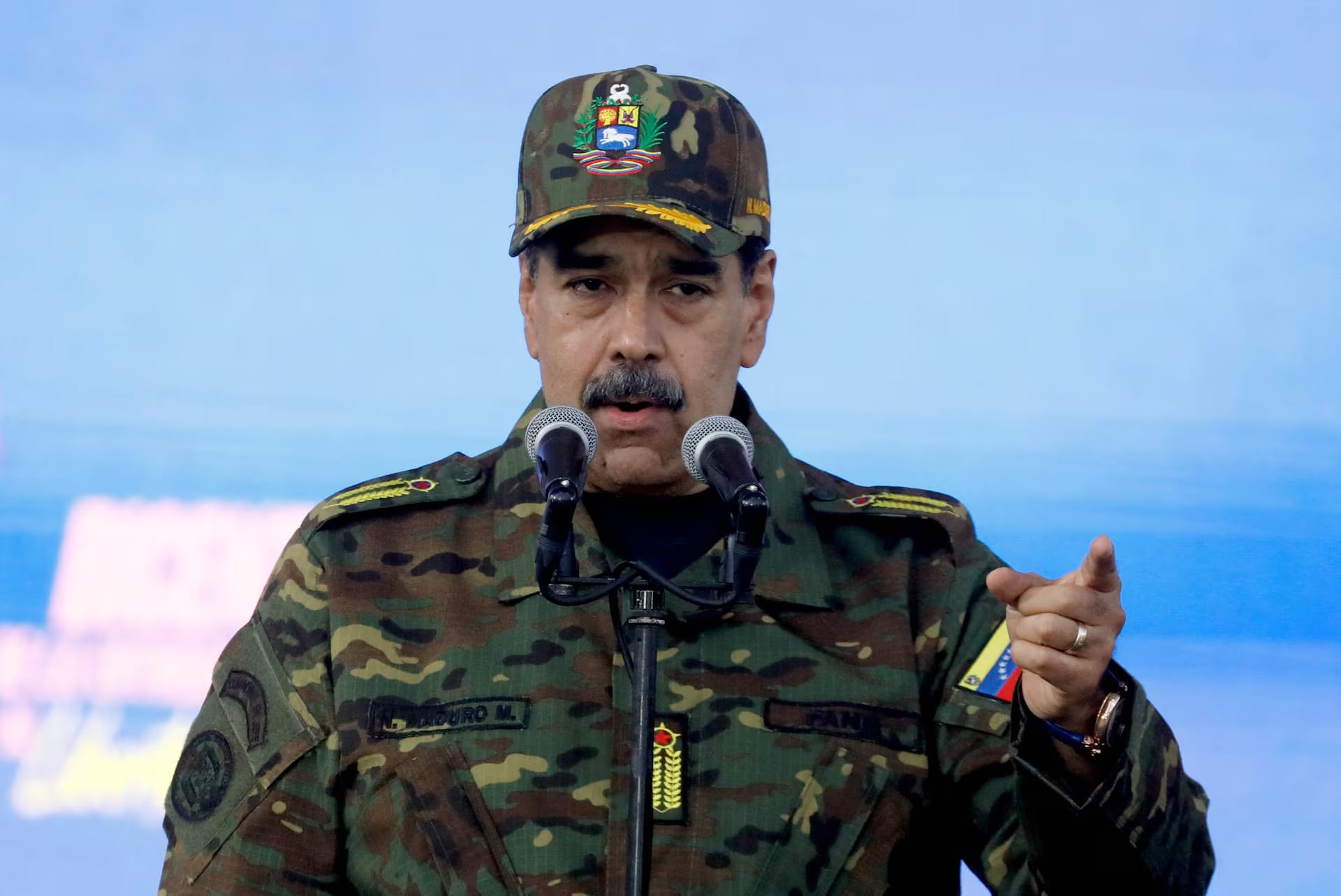
Last week, President Trump confirmed that a phone call between the two leaders took place.
"According to sources close to the White House, the U.S. president conveyed a "blunt message" to the Venezuelan leader during the call, urging Maduro–and those close to him–to depart the Venezuelan mainland after speculation swirled earlier last week that Maduro was considering an escape route south across the northern Brazilian border", Sociedad Media previously reported.
Earlier this week, Maduro held a swearing-in ceremony where approximately 5,600 newly enlisted soldiers solidified their oaths to the Bolivarian movement in defense of the homeland.
Maduro also threatened guerrilla warfare like that experienced by U.S. troops in Vietnam, and the "anarchization" of Venezuelan territory if the U.S. decides to invade.
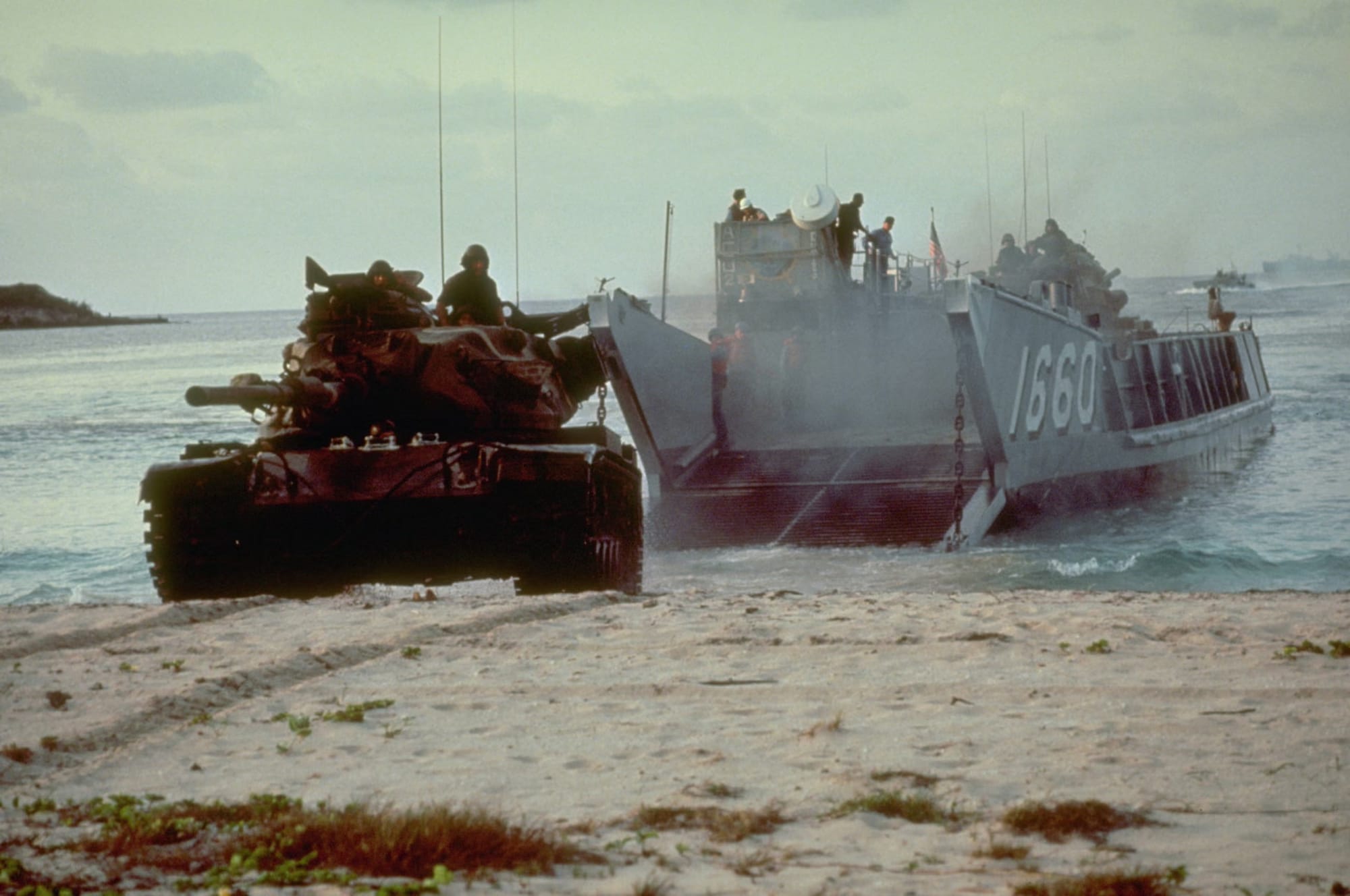
Local residents of the small Puerto Rican island of Vieques, located on the eastern flank of the Puerto Rican mainland, are now cursing the temporary return of U.S. military assets around Vieques.
In 1999, a 500-pound munition was accidentally dropped near the base, killing a local Puerto Rican named David Sanes, a 35-year-old Viequense, working as a security guard for the stationed U.S. troops.
Between 1941-2003, millions of pounds of ordinance were dropped as part of military exercises on the small island, home to several thousand residents at the time.
The U.S. military also displaced many more thousands of locals, preparing the island as the U.S. Navy's backyard training range.
In 2003, the military base was closed and the U.S. Navy was removed after a native activist organization held widespread protests over the U.S. military presence and the impact that military exercises and explosive ordinances were having on the local environment.
In September, U.S. War Secretary Pete Hegseth was welcomed on the Puerto Rican mainland by the territory's governor, Jenniffer González-Colón, who expressed the island's complete support for U.S. military operations in the region to counter the Venezuelan regime.