

Less than one hundred days from now, the opening whistle of the 2026 FIFA World Cup is scheduled to blow at Estadio Azteca in Mexico City. It will be the largest sporting event in human history—48 nations, 104 matches, three countries, and a global television audience in the billions.
For now, however, doubts are spreading. And the complications are piling up.
Iran: The Team That May Never Arrive
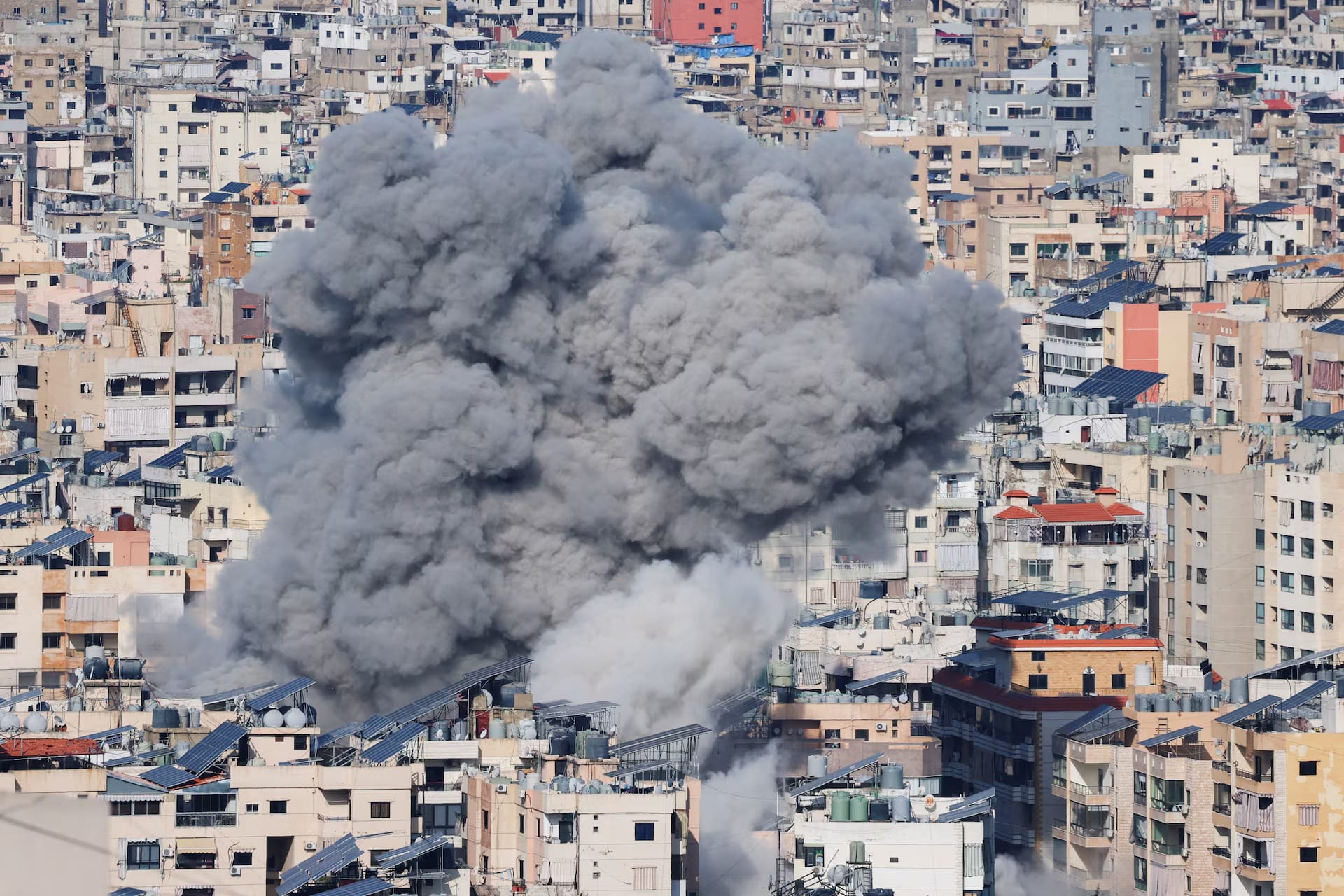
The most urgent crisis engulfing the tournament is geopolitical—and it began the moment the first U.S.-Israeli missile struck Iranian soil last Saturday.
Iran was the first nation to qualify for the 2026 FIFA World Cup. The team secured its place in the tournament last March, marking its seventh overall qualification and fourth consecutive appearance. It is drawn in Group G alongside Belgium, Egypt, and New Zealand—with all three of its group matches scheduled inside the United States, two at SoFi Stadium in Inglewood, California, and one in Seattle.
That is now a problem, says the government in Tehran.
Following the U.S.-Israeli strikes that killed Supreme Leader Ali Khamenei and more than 1,000 Iranians, Mehdi Taj, president of Iran’s Football Federation, told local media that his country cannot be expected to look forward to the World Cup with hope.
Taj suspended the Iranian domestic football league in response to the conflict and left open the possibility of a formal boycott of this summer’s event.
U.S. President Donald Trump was asked directly about the Iranian remarks, offering no reassurances, “I think Iran is a very badly defeated country. They’re running on fumes,” he told Politico—a response that suggests Washington has no intention of facilitating Iran’s participation. On whether Iran will compete in the highly anticipated tournament, Trump stated:
“I really don’t care.”
Under FIFA’s own tournament rules, the organization holds the authority to replace a participating member association in the event of a nation’s withdrawal, with Iraq identified as the most likely replacement should Iran step aside. Iran would also forfeit at least $10.5 million in FIFA prize money if it withdrew, reports Al Jazeera.
The Iranian crisis has also triggered a second complication. Iraq, which is scheduled to play in a World Cup qualifying playoff in Monterrey on March 31, has been unable to confirm its travel arrangements after Iraqi airspace was closed following the outbreak of hostilities, leaving the team’s playoff participation in serious doubt as well.
Spain’s Protest, Germany’s Doubts, and Europe’s Unease
Iran is not the only team reconsidering its position. Spanish government officials have raised the prospect of also withdrawing from the tournament if Israel is permitted to participate.
Socialist Party spokesman Patxi López, drawing a direct link between Spain’s sporting commitments and its political stance on Gaza, stated that the vast majority of Spanish society cannot tolerate the images they see daily on their newscasts amid what he called complicit silence over Gaza.
Israel has not yet qualified for the World Cup and faces long odds of doing so through UEFA’s playoff process. But if it does, Spain’s threat—backed by a government that has been among Europe’s most vocal critics of Israeli military operations—could have real impacts on the event’s organization.
Spain has also expressed outrage over recent comments by the U.S. president, who, during a meeting with German Chancellor Friedrich Merz, stated that Washington will move forward in severing all trade relations with the Iberian nation over the country’s refusal to accommodate U.S. military assets on Spanish-controlled military bases to support U.S. operations against Iran.
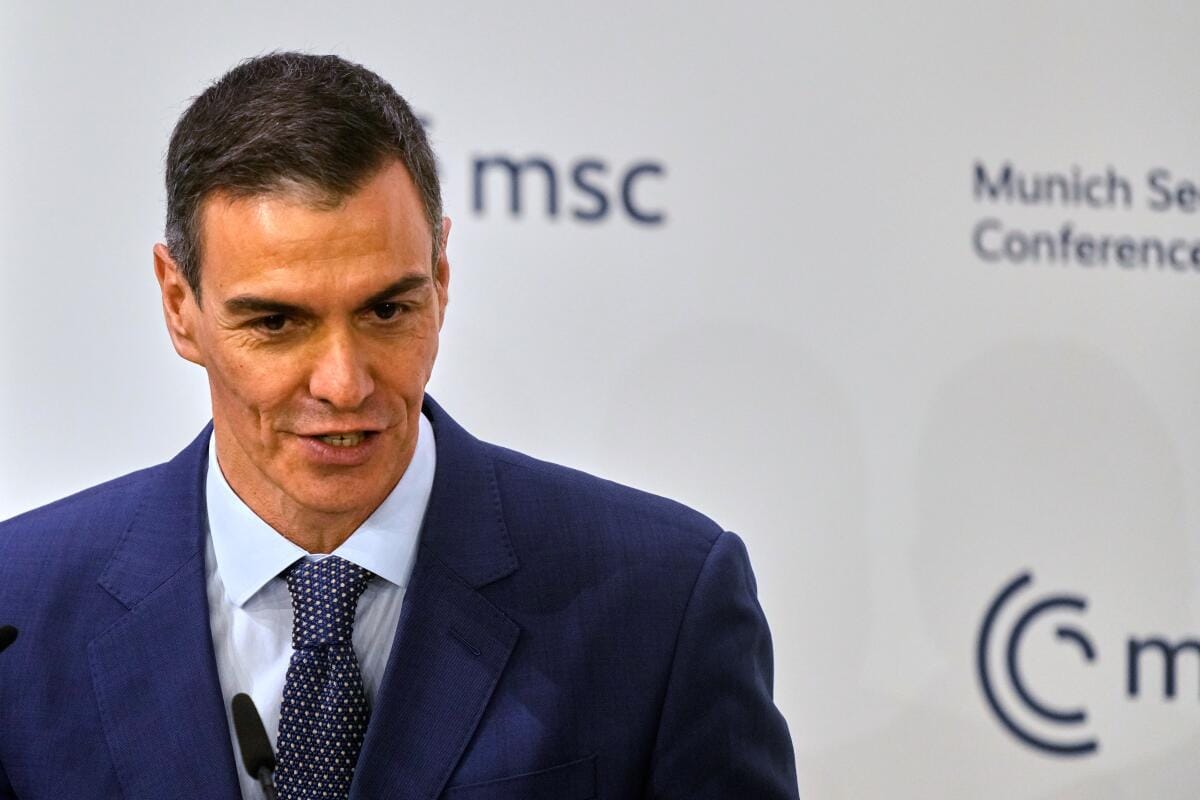
Spanish Prime Minister Pedro Sánchez denounced the move, threatening to pull out of the FIFA World Cup in response.
Reports have also surfaced that Germany is among a number of European nations considering whether to participate in a tournament co-hosted by the United States at a time of deep diplomatic friction over Trump’s foreign policy.
No European federation has made a formal decision, and analysts consider a large-scale European boycott unlikely—but the fact that the conversation is happening at all, with the tournament four months away, reflects how dramatically the geopolitical environment has shifted since the World Cup draw in December.
European anxiety likely stems from concerns over the prospects of another prolonged Middle East conflict. Europeans recall the nightmarish experiences in both Iraq and Afghanistan, where multiple European armed forces fought alongside the Americans.
It is also worth noting that, compared to the European demographic composition pre-Iraq War, today’s European nations are heavily populated with both Arab and Muslim immigrants who now reside in their countries. European governments fear the risk of their own internal unrest potentially being sparked by Western military aggression on yet another Arab nation.
FIFA Secretary General Mattias Grafström, speaking at the annual International Football Association Board (IFAB) assembly in Cardiff, acknowledged the organization is monitoring developments closely while stopping short of making any predictions.
Spain and Argentina’s football federations have already begun reviewing force majeure clauses and insurance terms related to a scheduled March 27 Finalissima match in Doha—an indication that legal contingency planning is already underway at the highest levels of the sport.
Mexico: Empty Rooms, Cartel Violence, and a Tournament Fighting for Its Soul
While the Middle East crisis dominates headlines, Mexico—which hosts the tournament’s opening match on June 11, including 13 total games across Mexico City, Guadalajara, and Monterrey—is fighting a parallel battle for credibility.
The killing of CJNG cartel leader Nemesio “El Mencho’ Oseguera Cervantes by Mexican military forces on February 22 triggered retaliatory violence across more than 20 Mexican states. At least 74 people were killed in the operation and its immediate aftermath, with cartel members burning vehicles, blocking roads, and looting businesses—including in Guadalajara, one of the World Cup’s three host cities in Mexico.
The World Cup’s hotel economy absorbed an immediate shock following the upheaval. With just less than 100 days to the opening match, FIFA cancelled 800 of the 2,000 hotel rooms it had block-booked in Mexico City—a 40% reduction confirmed publicly by Alberto Albarrán Leyva, Director General of the Mexico City Hotel Association.
Albarrán revealed that some hotels saw entire blocks of 180 to 200 rooms released at once, and that at the time of his statement, cancellations were outpacing new reservations.
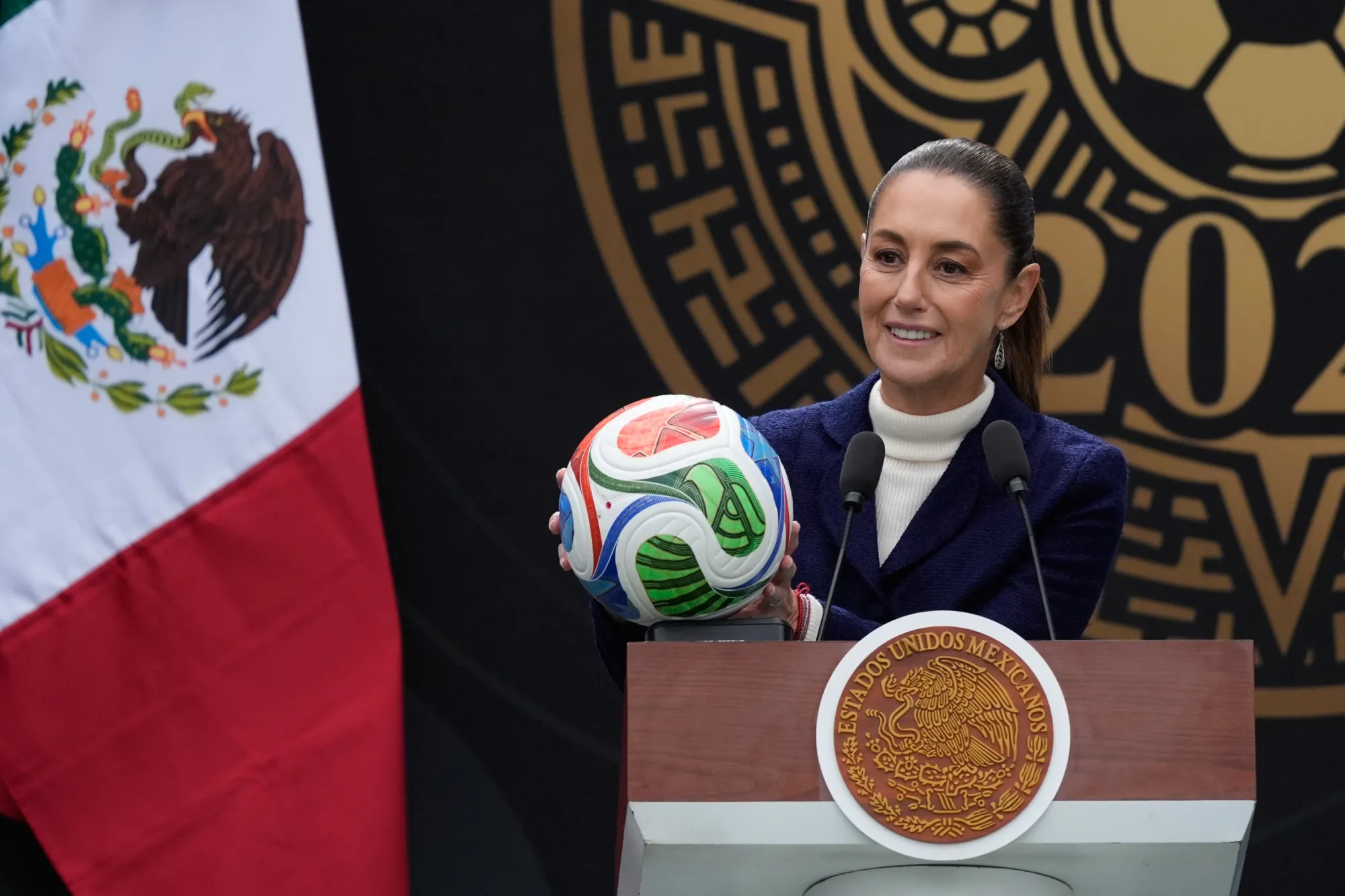
The Mexican government and FIFA moved quickly to contain the narrative. Gabriela Cuevas, Mexico’s World Cup coordinator, clarified that the cancellations were the result of standard administrative procedures—contractual reservation deadlines expiring—rather than a response to security concerns or weakened demand.
FIFA president Gianni Infantino, speaking in Barranquilla, said he was “very reassured” about Mexico’s ability to host the tournament and declared the events are going to be “spectacular.”
Behind the scenes, FIFA dispatched representatives to Mexico City this week to review security protocols with Federal Security Secretary Omar García Harfuch, who confirmed that intelligence, prevention, and operational deployment plans for the tournament had been jointly assessed.
But the underlying security challenge is real. The death of “El Mencho” has created a succession vacuum inside the CJNG—one of the world’s most powerful criminal drug trafficking organizations—with Guadalajara, a host city, sitting at the heart of the cartel’s territory. Marisol Villagomez, a sports management professor at the University of Michigan, noted that the violence has shifted the conversation from logistics to international brand trust and fan safety.
Javier Eskauriatza, a criminal law professor at the University of Nottingham, offered a counterintuitive argument for calm: the cartels themselves have a financial stake in a peaceful and commercially successful World Cup. “They buy restaurants and own hotels,” he told the BBC. “It is useful for them if Brits, Americans, and others go to Mexico, spend their money, and have a good time.”
Roll Call
Meanwhile, ticket prices have reached extraordinary levels — as high as $8,000 in certain secondary markets—prompting FIFA to announce a reserve of $60 tickets as a gesture toward affordability, though most available seats on official resale platforms still far exceed $1,000, according to Fortune.
The View From Miami
For South Florida’s Miami Latin American community—which spans fans from every nation scheduled to compete, including Mexico, Colombia, Argentina, Brazil, Ecuador, and even the Afro-Caribbean island of Haiti—the 2026 FIFA World Cup was supposed to be the celebration of a generation.
Miami is one of the 11 U.S. host cities, and the prospect of a World Cup in its backyard generated extraordinary enthusiasm across the region’s Latin American communities.
That enthusiasm has not disappeared. But it has been complicated by a world that looks considerably more dangerous and more unpredictable than it did when FIFA blew its confetti at the draw ceremony in Washington just three months ago.
The leather will still roll on June 11, and FIFA is determined to make sure of it. Whether the world is ready to show up and which nations will still be on the pitch when it does—remains, with less than 100 days to go, only slightly uncertain.


