Section archive
Cuba
Sociedad Media covers Cuba’s unfolding crisis with original reporting from Miami—the city with the largest Cuban exile community in the world. From the island’s historic blackouts and consecutive nights of street protests, to U.S.-Cuba negotiations, Díaz-Canel’s future, and the energy collapse threatening the regime’s survival, we track every development in the story that defines Miami’s Cuban community like no other
All desks
Americas
Brazil
Business
Caribbean
Central America
Cuba
Culture
Democracy
Economy
Entertainment 305
Immigration
Inside Latin America
Mexico
Miami News
Miami Politics
Newsletters
Nuevo Miami
Security
Socialism Finale
Sociedad Media Now
Society
South America
Sponsors
Terms of Service
U.S. Politics
Venezuela
Venezuela & Cuba Now
Video
Viral Clips
World
Cuba
Trump Allows Russian Oil Tanker into Cuba, Citing Humanitarian Need: “They Have to Survive”
By Dionys Duroc
Cuba
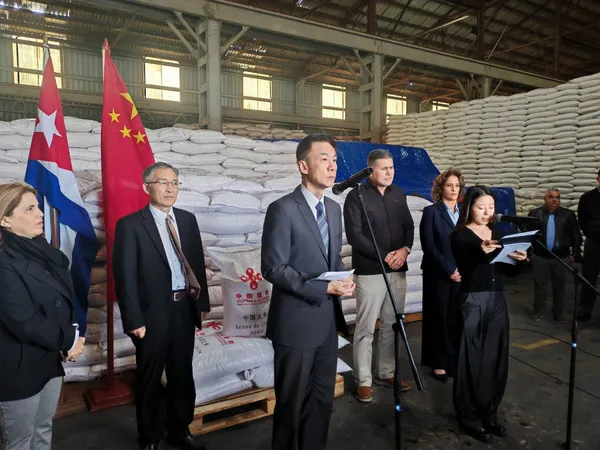
Trump Cuts Cuba’s Oil. Xi Sends Rice. The Great Power Battle for the Island is Here
By Dionys Duroc
Cuba
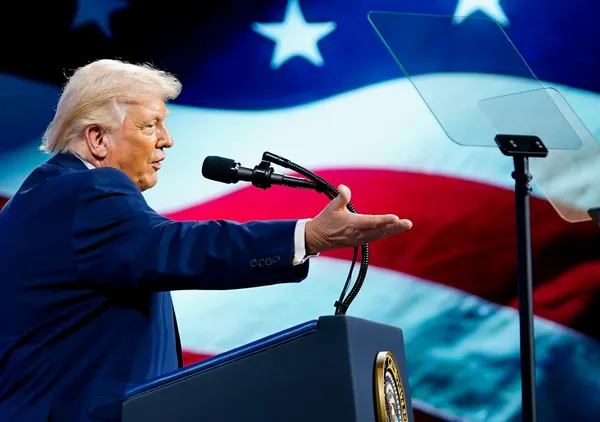
“Cuba is Next”: Trump Tells Miami Investors the Island is in Washington’s Crosshairs—as Havana and Washington Keep Talking
By Dionys Duroc

Cuba
Cuba on the Brink: Military Warnings, Blackouts, and Washington’s Next Move
By Dionys Duroc

Cuba
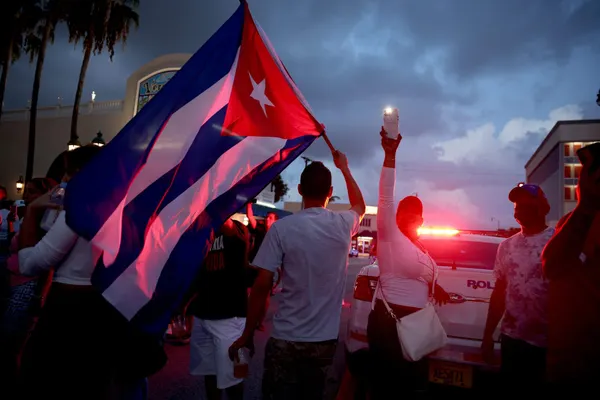
“You Can’t Live Like This”: Cuba Goes Dark for the Third Time in March as Recovery Efforts Begin
By Dionys Duroc
Cuba
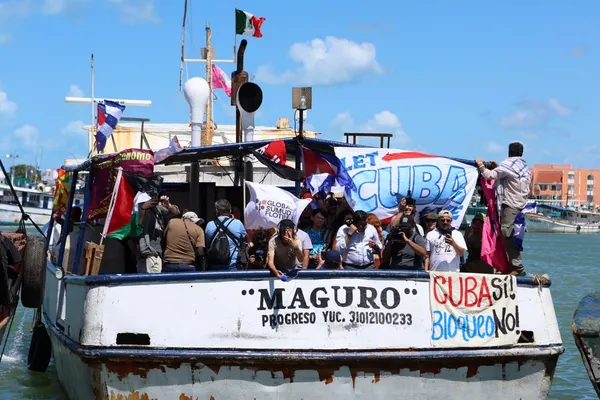
Humanitarian Flotilla Lands in Cuba: Will the Convoy Save the Island from Collapse in 2026?
By Dionys Duroc

Cuba
“Impregnable Resistance”: Díaz-Canel Vows to Fight Back as Trump Threatens Imminent Action Against Cuba
By Sociedad Media
Cuba
‘CUBASTROIKA’: Washington Wants Díaz-Canel Out—and Trump Says He Can Do ‘Anything He Wants’ With Cuba
By Dionys Duroc
Cuba
CUBA GOES DARK: The Island Suffers Total Nationwide Blackout as Regime Collapse Nears
By Sociedad Media
Cuba
Cuba is Burning & the Whole Hemisphere is Watching
By Dionys Duroc
Cuba
Díaz-Canel Confirms U.S.-Cuba Talks Are Underway—With Raúl Castro at the Table
By Dionys Duroc
Cuba
Beijing Closes Ranks With Havana—But Can China Actually Save the Cuban Regime?
By Sociedad Media
Cuba
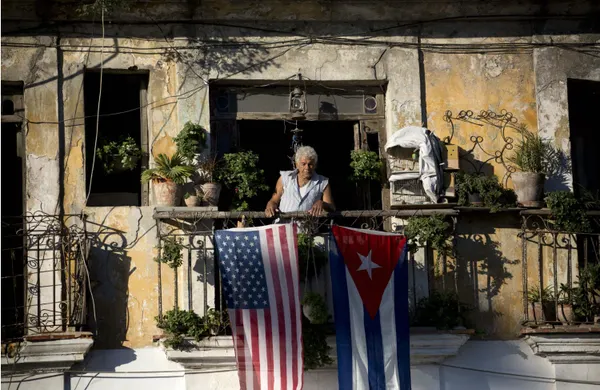
Washington and Havana Are Talking & a Deal to End Cuba’s 67-Year Standoff May Be Days Away
By Dionys Duroc

Cuba
Cubans Bang Pots in the Dark for a Third Night as Protests Escalate Across the Island
By Dionys Duroc
Cuba
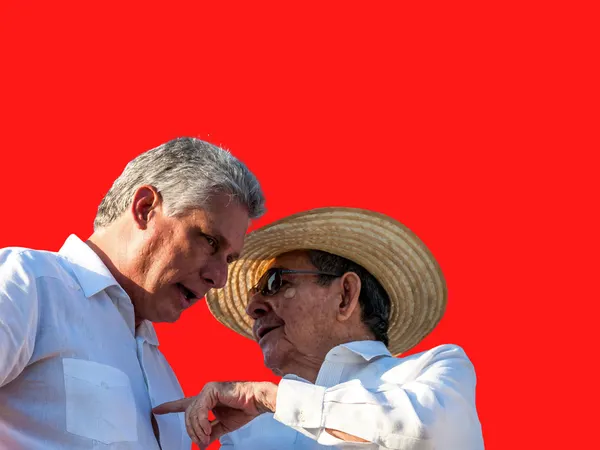
“Cuba is Next”: Havana Erupts in Nighttime Protests After 60 Hours Without Power as Trump Vows Regime Will Fall
By Dionys Duroc
Cuba
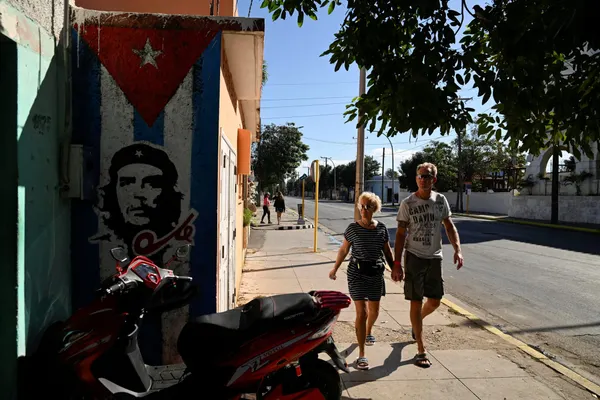
Cuba Arrests 10 Panamanians for Anti-Government Graffiti as Island’s Tensions With Washington Escalate
By Sociedad Media
Cuba
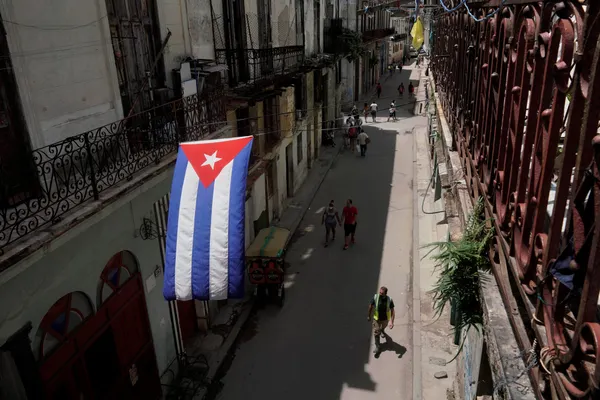
Cuba Situation Worsens: U.S. Oil Blockade Deepens Woes for Regime as World Watches and Washington Plots Change
By Dionys Duroc
66 stories