

MIAMI — In the space of 48 hours this week, Venezuela’s acting President Delcy Rodríguez dismantled the most consequential power structure Chavismo had built over two decades—replacing her Defense Minister, her strategic military commanders, and the heads of every branch of the armed forces in the most sweeping overhaul of Venezuela’s military leadership since Hugo Chávez himself came to power in 1999.
Rodríguez announced the changes in a social media post a day after firing the long-serving Defense Minister, who had been close to Maduro, and replacing him with a former intelligence chief. “I announce the designation of the renewed Military High Command,” said Rodríguez, who served as vice president under Maduro.
Among the new military appointments, Rodríguez said Dilio Alejandro Agüero Montes would be the new navy commander, Royman Antonio Hernández Briceño the new air force commander, and Rubén Darío Belzares Escobar the new army commander. The most significant overhaul took place at the Strategic Operational Command—the military’s main operational body. Rafael Prieto Martínez assumed leadership, replacing Domingo Hernández Lárez, who had held the position since 2021.
The reshuffle came weeks after the surprise visit to Caracas by the head of the U.S. Southern Command, General Francis Donovan.
A sweeping overhaul of Venezuela’s top brass is designed to remake the armed forces and draw them closer to Washington, multiple military and political sources told AFP. Rodríguez appears to be making Venezuela’s military less reliant on Russia and Cuba.
The overhaul matters because Venezuela still claims two-thirds of Guyanese territory—the Essequibo region, home to massive offshore oil reserves being developed by ExxonMobil. Rodríguez has not withdrawn the Essequibo claim or disbanded the military zone Maduro created there. The territorial dispute, which predates Maduro by decades, remains official Venezuelan policy regardless of who commands the armed forces.
Human rights watchdog Provea called the appointments “a recycling of impunity.” Both the outgoing Padrino and his replacement González López have faced U.S. sanctions based on allegations of human rights abuses and corruption. The latest restructuring underscores the importance of military alignment in Venezuela’s evolving power dynamics, as Rodríguez seeks to secure her position amid ongoing geopolitical pressure and internal uncertainty.
The Venezuelan military, which has sworn loyalty to Rodríguez, is a powerful entity. It oversees oil, mining, and food distribution enterprises, as well as customs operations and key government ministries, amid allegations of abuse and corruption.
Former U.S. Ambassador to Venezuela James Story said Rodríguez appears to be moving as slowly as possible on political reforms, betting that Washington’s focus will fade—doing “just enough to make it look as if they’re complying” while waiting to see whether U.S. midterm elections weaken Trump’s leverage.
The military overhaul tells a different story: three months into her presidency, Rodríguez is consolidating power with a speed and decisiveness that suggests she is not simply managing a transition—she is building one of her own.
🚨🇻🇪 | AHORA/VENEZUELA: Venezuelan defense minister Vladimir Padrino López is dismissed by interim president Delcy Rodríguez in major government shakeup.
— Sociedad Media (@sociedadmedia) March 18, 2026
López will be replaced by former SEBIN intelligence chief Gustavo González López.
The old regime is consolidating power… pic.twitter.com/YQZInXbA3T
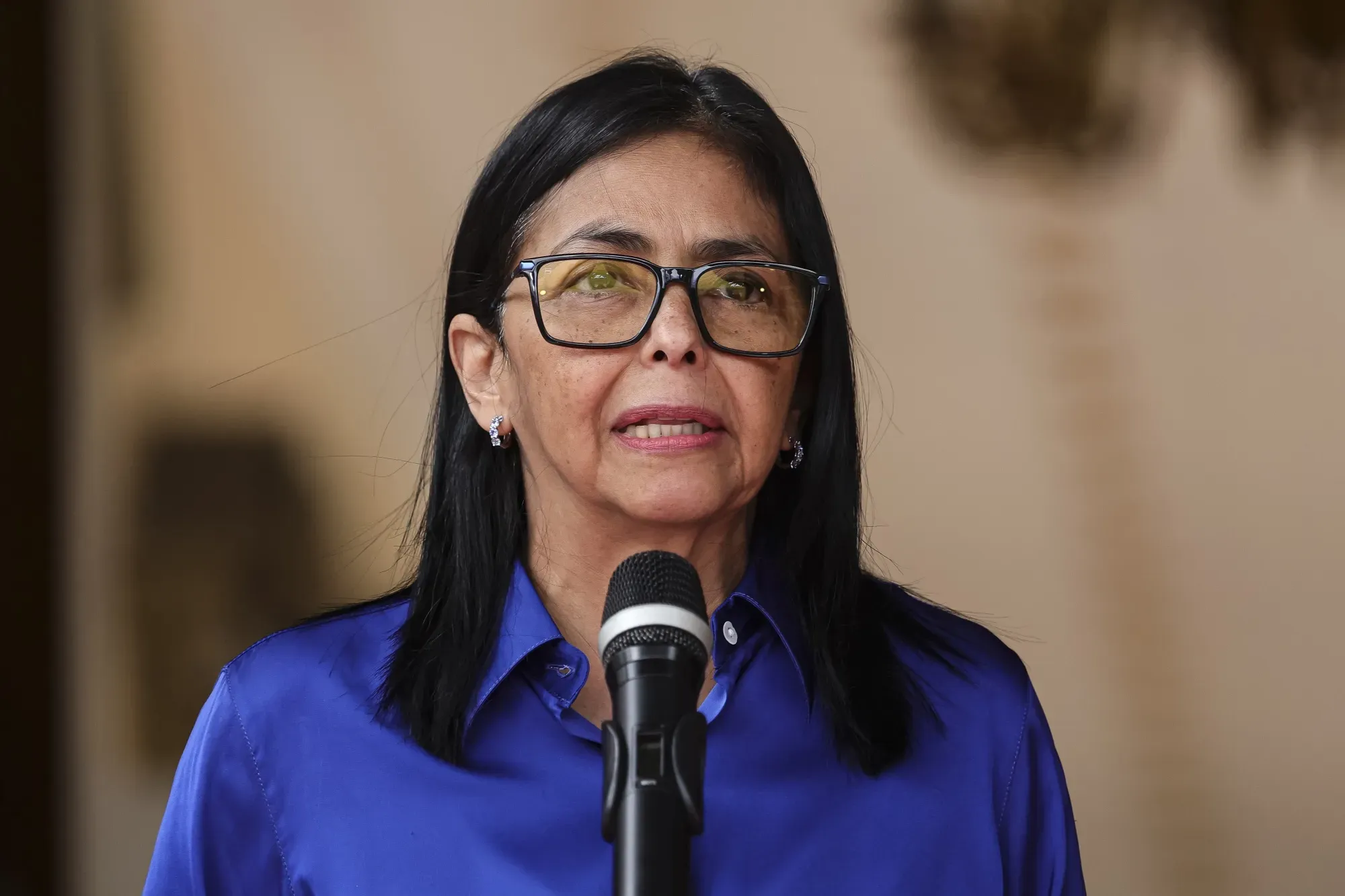
“This is a Problem We Have as Countries”: Rodríguez Calls on Trump to Lift All Sanctions Against Venezuela
MIAMI — Delcy Rodríguez has spent the past eleven weeks walking one of the most delicate tightropes in modern Latin American diplomatic history—cooperating with the government that captured her former boss, opening Venezuela’s oil sector to U.S. companies, releasing political prisoners at Washington’s demand, and accepting that proceeds from Venezuelan oil sales flow into U.S.-controlled accounts.
This week she asked for something in return: lift the sanctions entirely.
Venezuela’s interim leader Delcy Rodríguez asked U.S. President Donald Trump to totally lift the sanctions imposed on her country as the two nations begin to restore diplomatic ties. “This is a problem we have as countries and we are determined to make progress together," Rodríguez said.
The request comes against a backdrop of sweeping compliance. Following the capture of Maduro, Rodríguez passed a new hydrocarbon law that allows private companies to participate in the oil industry. On January 29, the U.S. Treasury’s Office of Foreign Assets Control lifted various oil-related sanctions on Venezuela, authorizing U.S. companies to buy, sell, transport, store, and refine Venezuelan crude oil.
On the same day Rodríguez made her public appeal, Washington authorized imports of fertilizer from Venezuela—as the U.S.-Israel war against Iran drove up prices of key agricultural inputs globally.
The sanctions Rodríguez is seeking to lift are sweeping in their scope and have defined Venezuela’s economic reality for over a decade. The U.S. Treasury began imposing sanctions in 2014 that have helped to cripple Venezuela’s economy, which saw inflation soar to 475% in 2025. Its oil infrastructure has suffered from years of underinvestment, with the country currently producing only a few million barrels per day despite having the world’s largest proven oil reserves.
Rodríguez argued that Washington’s formal recognition of her administration goes beyond any individual figure or government. “It is not recognition of a person or a government; it is recognition of a country so that it is able to recover its life,” she said, referring to the impact of wide-reaching U.S. sanctions imposed since 2015.
Washington’s response has been partial and conditional. White House Press Secretary Karoline Leavitt said Rodríguez and her team “have been very cooperative with the United States” and that Trump “expects that to continue”—a carefully calibrated statement that acknowledged progress without committing to full sanctions relief.
The political reality in Washington makes a full sanctions lift legally complex. Congress may assess how U.S. sanctions are advancing U.S. interests and consider legislation to expand or ease sanctions on the acting government. Congress also could consider legislation to increase transparency regarding any licenses modified or granted for oil companies to operate in Venezuela.
Any comprehensive sanctions removal requires either congressional action or a series of executive orders that would face legal challenges—a process whose timeline does not match Rodríguez’s urgent economic needs.
For Miami’s Venezuelan community, which follows the Caracas-Washington relationship with a level of attention that no polling instrument can fully capture—Rodríguez’s sanctions appeal is the clearest signal yet that she still needs Washington to help her nation on the path to recovery, whatever the political cost at home may be.
Whether Trump delivers is the question that will determine whether the most dramatic bilateral diplomatic transformation in the Western Hemisphere in a generation becomes permanent—or stalls at the precise moment it matters most.
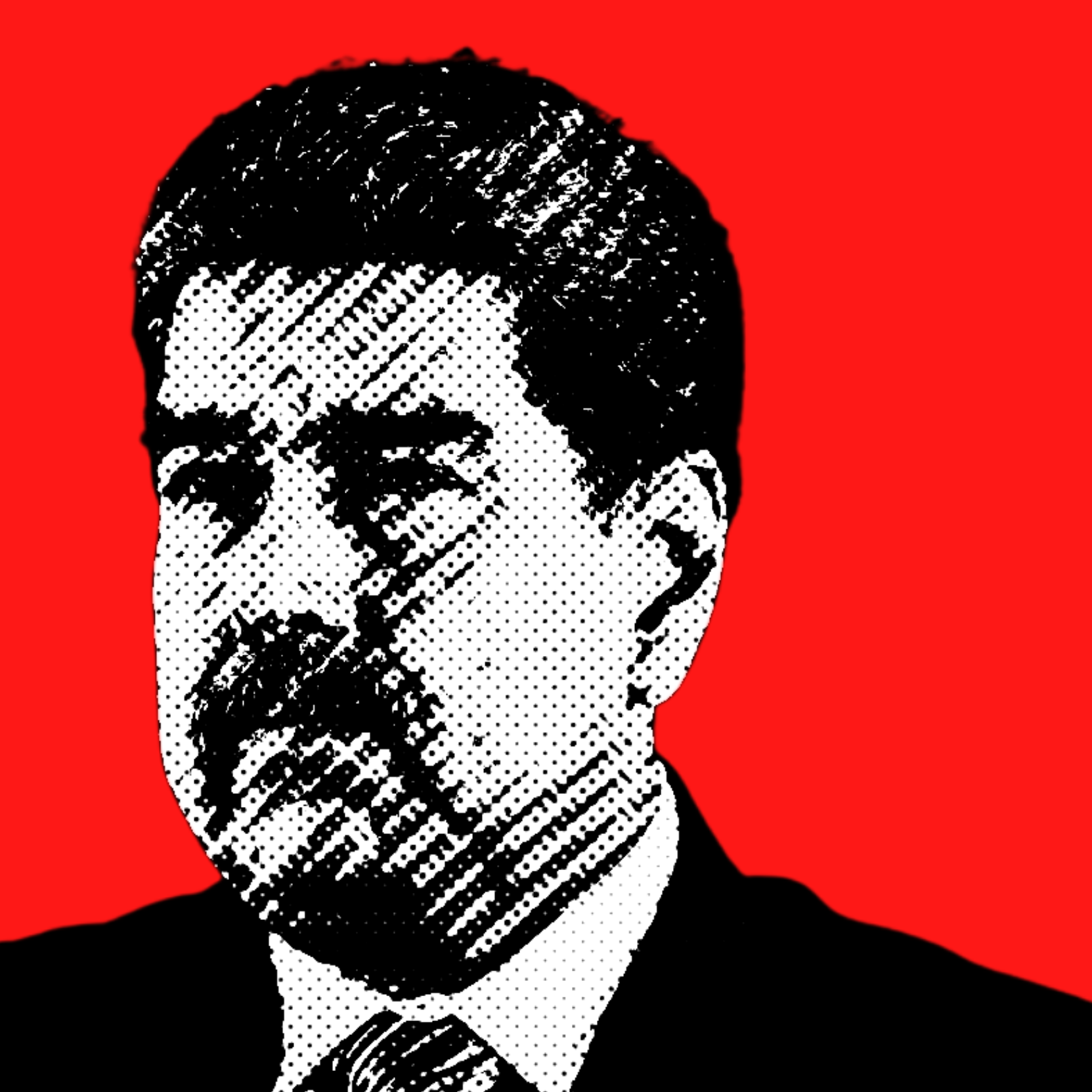
‘Madurismo Without Maduro’: Inside Venezuela’s Fragile Transformation—and What Comes Next
MIAMI — Eleven weeks after U.S. Delta Force operators extracted Nicolás Maduro from his Caracas compound in eighteen minutes, the country he governed for thirteen years is being rebuilt—or dismantled, depending on your perspective—at a pace that has surprised both supporters and critics of the operation that made it possible.
One month after the U.S. removed Maduro, Rodríguez had moved quickly to consolidate power. She signed a bill giving foreign companies greater rights over Venezuela’s oil. She liberated hundreds of dissidents who had been imprisoned on charges of treason. An amnesty law that could secure the freedom of more prisoners made its way through Venezuela’s legislature.
As of March 8, the number of confirmed political prisoners released since January 8 was 621 out of an estimated 800 held before January, according to Venezuela-based human rights organization, Foro Penal.
Venezuela has imported medical equipment and medicines from U.S. companies in recent weeks. Around a quarter of an initial $2 billion crude sale agreement has reportedly been returned to Caracas. But the transformation has its limits—and its critics are watching those limits closely.
According to the Miami Herald, a circle of Venezuelan officials centered on Rodríguez and her brother Jorge privately outlined a roadmap for post-Maduro Venezuela—in which Delcy would act as figurehead and exiled general Miguel Rodríguez Torres would lead a transitional government dubbed “Madurismo without Maduro.” In return, Venezuela would welcome U.S. investors and gradually loosen ties to U.S. rivals.
The Trump administration reportedly rejected the overtures.
Trump declined to back opposition leader María Corina Machado (at least momentarily)—with the next steps and larger strategic goals of the operation appearing fluid—raising concerns among analysts about whether Washington was prioritizing oil access over democratic transition.
Venezuelan opposition leader Fredy Guevara, now based in Boston, said: “I think that for the first time in our lives there’s a chance that we may have a peaceful negotiation that will lead to a democratic transition.” He argued that democracy would serve both countries—curbing migration and keeping Venezuela from realigning with rivals like Russia or Iran.
The most honest assessment of Venezuela’s trajectory eleven weeks in may belong to Ronal Rodríguez, a researcher at the Venezuela Observatory at Colombia’s Universidad del Rosario.
“The regime, on one hand, wants to send a message within Venezuela that it still has complete control and the United States isn’t dominating. On the other hand, internationally it’s sending a message of gradual progress with the release of political prisoners. They’re playing a game.”
A military overhaul. A sanctions appeal. A fragile amnesty process. A government that is simultaneously Chavista and cooperative, sovereign and dependent, reforming and consolidating. Venezuela’s transformation is real—and its outcome remains genuinely uncertain. For the 28 million Venezuelans living inside it, and the millions more watching around the world, that uncertainty is not an abstraction. It is their daily reality.


