

When Nike unveiled its collection of 2026 World Cup kits in late March, the reception was broadly positive. The United States Men’s National team received what many considered their most striking shirts in years, while France, England, Canada, and Uruguay also garnered favorable reviews.
The kits had been heavily marketed around a new technological framework — the Aero-FIT template, developed using computational design and AI-assisted knitting processes, specifically engineered to help athletes manage the extreme heat expected at venues across the United States, Mexico, and Canada.
Then players actually wore them. And the shoulder seam refused to behave.
Following their on-pitch debut during the recent international break, Nike’s 2026 World Cup kits drew attention for an unexpected design flaw. Fans and players noticed a strange, bulging shoulder seam on the brand’s new Aero-FIT template. The bunching issue was highly visible across several prominent federations. Kylian Mbappé’s France jersey displayed an awkward raised seam, while Uruguay’s kits gave players an almost comical, pointed-shoulder silhouette.
The structural cause is specific: because the seam connecting the sleeve to the torso is heavily reinforced and sits so high up on the collarbone, it refuses to drape naturally. Instead, it creates a stiff, protruding peak that looks exactly like a poorly fitted suit jacket.

Several Uruguay players sported perhaps the most obvious seams of the international break, making them look, in one widely circulated description, like Shredder from Teenage Mutant Ninja Turtles during a friendly against England.
That comparison — devastating for a company that had promoted the kits as the pinnacle of performance engineering — became the defining image of the controversy online and has somewhat dampened Nike’s world renown reputation as the premier athletic clothing maker.

Nike Acknowledges Flaw
Nike released a statement to The Guardian acknowledging the problem: “During the recent international break, we observed a minor issue with our Nike national team kits, most noticeable around the shoulder seam. Performance is unaffected, but the overall aesthetic is not where it needs to be.”
A subsequent statement, added: “We always hold ourselves and our products to the highest standards and this fell short. We’re working quickly to make this right for players and fans, because every kit should reflect the care, precision and pride that the game deserves.”
The phrase “performance is unaffected” has done limited work in calming the controversy. Retail versions of the kits carry the same defect as the authentic player versions. Jerseys have already been sold to consumers at prices ranging from $100 to $200.
In England, adult Stadium replica versions are priced from £89.99, while official Match authentic shirts cost £134.99 — and children’s shirts run approximately £64.99 to £69.99. Fans who paid those prices for what Nike had promoted as its most technologically advanced World Cup kit to date are now being advised to steam or wash the jersey before wearing it to address a structural problem in the manufacturing.
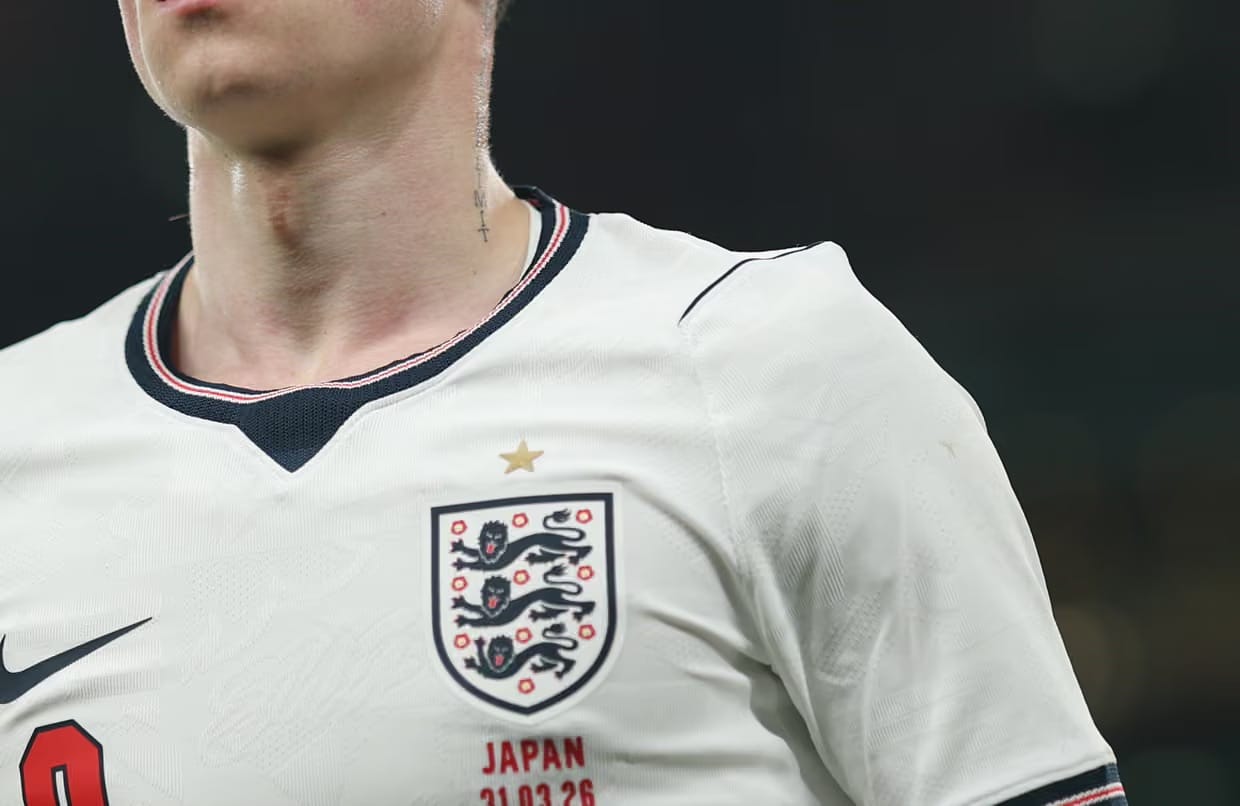
“Not something you’d expect to have to do with a new football shirt,” one fan noted on X after steaming three purchased kits, adding that the treatment did appear to correct the shoulder behavior.
But the defect offer a more striking question from supporters: How does a multi-billion dollar company with the world’s greatest clothing designer minds shuffle out to market a product with such a obvious flaw?
The Irony of the Aero-FIT
The timing of the defect carries a particular irony given what the kit was designed to do. The Aero-FIT design framework was developed using computational design and specialized knitting processes specifically engineered to help athletes stay cool during what may be among the hottest World Cup matches in tournament history.
The same AI-assisted process intended to give players a thermoregulatory advantage in Miami’s heat and humidity produced a shoulder seam that creates an aesthetically rigid, protruding structure on the very garment players will wear while managing those conditions.
A source familiar with the production process suggested that the data-driven computational design approach may have overlooked traditional tailoring considerations. It remains unclear whether the error lies in the digital blueprint or in the manufacturing process. What is clear is that neither the computational models nor the quality control process caught the problem before millions of jerseys were produced and distributed to federations and retail consumers worldwide.
The Affected Nations
The defect has been confirmed as most visible on the kits of France, England, Uruguay, and Canada — all Nike-supplied nations. On some shirts, like the United States’ striped home kit, the bulge was minimal and barely perceptible. On others it became a focal point.
For France, whose Mbappé became the most visible illustration of the defect during Les Bleus’ recent international fixtures, the issue arrives at an awkward moment in the buildup to what could be one of the tournament’s title contenders.
For Uruguay, whose players at Wembley provided the most widely shared images of the pointed-shoulder effect, it adds an unwanted talking point ahead of their two Miami fixtures — Saudi Arabia on June 15 and Cape Verde on June 21 — both at Hard Rock Stadium under conditions that will already test every element of their kit’s claimed performance properties.
What Comes Next — and What Probably Does Not
Nike is currently in talks with federations to find solutions, but a complete overhaul seems highly unlikely. With only months to go before the World Cup and millions of jerseys already produced and distributed, any solution would require an enormous logistical effort given the sheer volume of jerseys already purchased and the compressed timeframe before the tournament begins.
Nike must balance consumer satisfaction with production realities as it determines what recourse, if any, will be offered to dissatisfied customers.
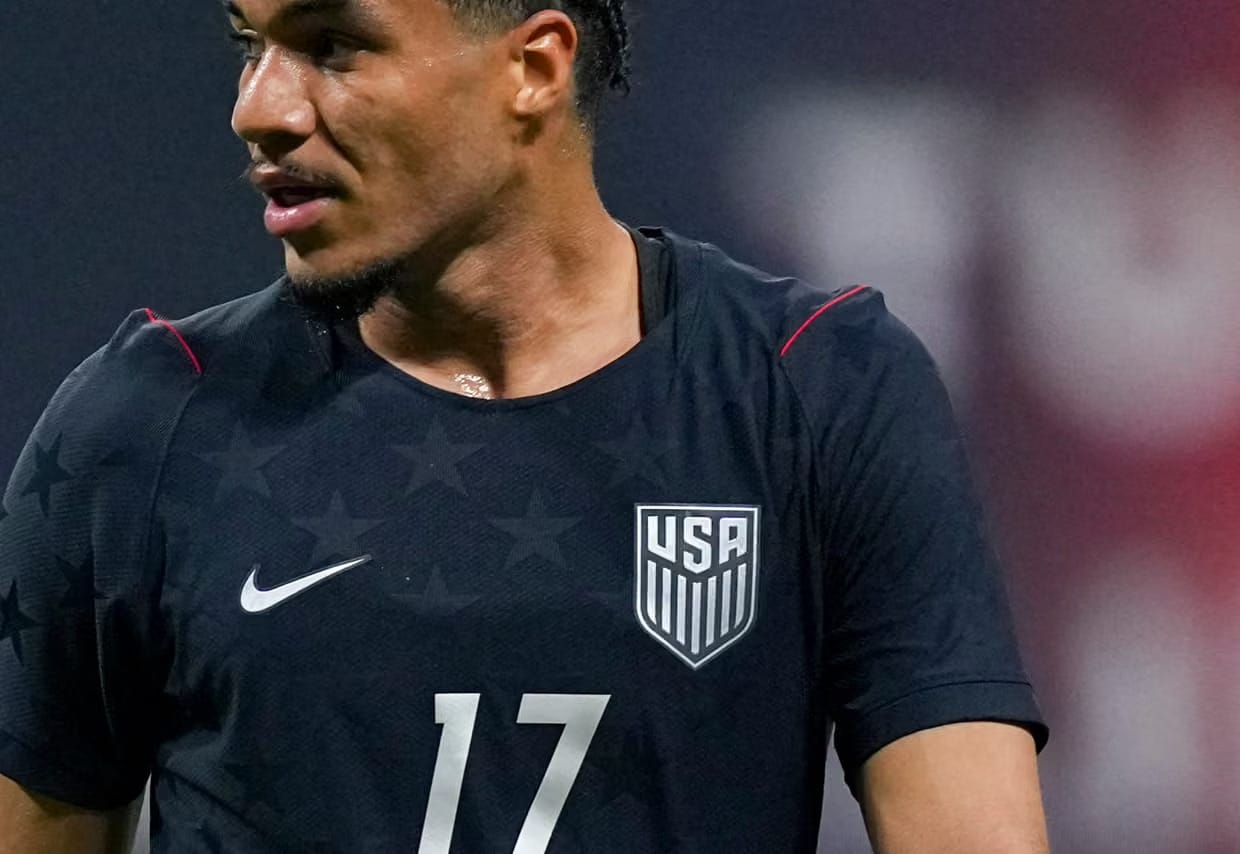
The company has not announced a refund program, a recall, or a redesign. It has suggested steaming as an interim fix and stated it is “working quickly” on a resolution without specifying what that resolution looks like.
The World Cup begins June 11. Nike’s affected nations will take the pitch at some of the hottest venues on the tournament map wearing a kit whose most visible structural element was supposed to represent the brand’s most sophisticated engineering achievement. Instead it will represent, at least until a solution is announced, one of the more unusual pre-tournament controversies in recent memory — the kind that combines genuine consumer grievance, corporate acknowledgment without corporate commitment, and a visual absurdity that has proven impossible to unsee once noticed.
The 2026 World Cup should be defined by goals and glory, not by faulty shoulder seams. Meanwhile, Nike has approximately 62 days to ensure that is how it goes.
Sociedad Media will continue to monitor developments on the Nike kit controversy and any remediation announced ahead of the World Cup. Tips and reader experiences: info@sociedadmedia.com


