

A United Nations working group wrapped up an official visit to Colombia this week with a stark warning: more than 10,000 Colombian nationals have been recruited to participate in armed conflicts and private security operations around the world, through both legal and irregular channels. The figure, the highest estimate yet from a UN body, underscores what experts have long described as a global crisis with Colombia at its center—one that shows no signs of slowing down.
The warning was contained in a communiqué issued by the UN Working Group on Mercenaries at the conclusion of an official country visit to Colombia. The experts celebrated Colombian President Gustavo Petro’s signing of a new law ratifying the 1989 International Convention Against the Recruitment, Use, Financing and Training of Mercenaries, calling it “an essential step to protect human rights and fulfill obligations.” But they made clear the legal milestone alone would not be enough.
“More than 10,000 Colombians are being recruited in armed conflicts around the world, through both legal and irregular channels,” the communiqué states, stressing the need for more precise data and for addressing the root causes of the phenomenon.
The full report will be presented before the Human Rights Council in September 2026.
Why Colombia
The answer lies in a convergence of history, economics, and military infrastructure that has made Colombia the world’s leading exporter of combat-trained personnel—a distinction that carries enormous human cost.
With more than a quarter of a million active-duty personnel, Colombia’s military is the second-largest in South America, surpassed only by Brazil. Approximately 10,000 military personnel retire each year across all branches. Most enlisted soldiers retire after two decades, receiving a pension of around $400 a month—not nothing, but for a 38 or 45-year-old retiree who may have never held a civilian job and might now have a family to support, the prospects are not heartening.
Decades of internal armed conflict in Colombia produced a large class of experienced fighters—veterans of counterinsurgency operations against the FARC, the ELN, paramilitary groups, and drug trafficking organizations—who are now in high demand internationally.
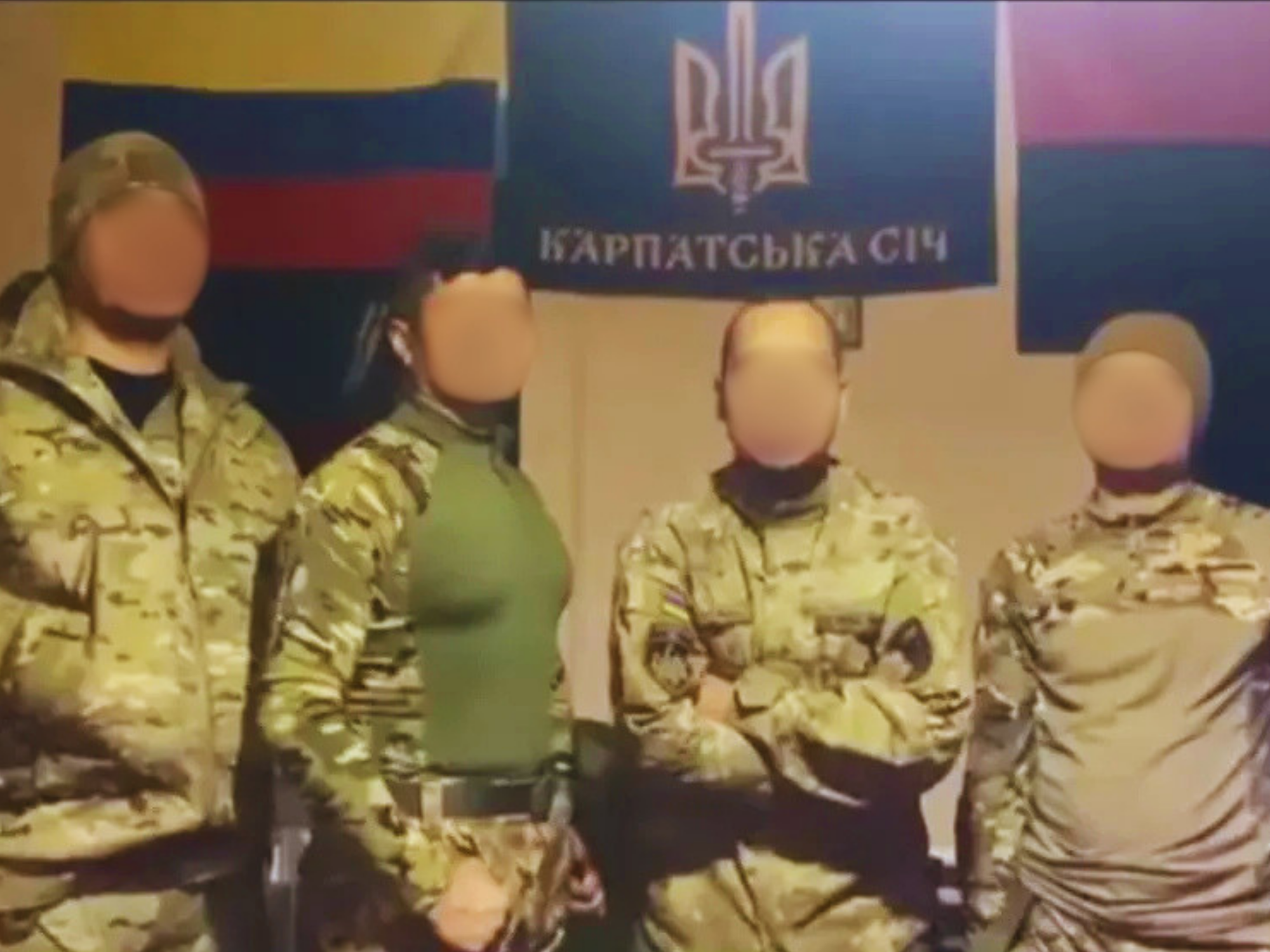
High economic incentives, a lack of civilian employment opportunities, and the rise of online recruitment have driven the outflow of Colombians abroad, including into active combat roles.
One expert described Colombia as an “early adopter” of mercenarism, ahead of what could become a global increase in the phenomenon. Dr. Sean McFate, Senior Fellow at the Atlantic Council and regular advisor to the Pentagon and CIA, has noted that Colombian mercenaries can be found “anywhere there’s a conflict market,” and that they are sought after because they work for lower wages, are often “very good soldiers,” have in many cases been trained by U.S. special forces, and “have no interest in local politics”—characteristics that benefit the foreign entities that hire them.
Where They Are Fighting
The geographic reach of Colombian mercenary deployment is extraordinary. From the deserts of Sudan’s Darfur region to the trenches of eastern Ukraine, from the mountains of Yemen to the streets of Haiti, Colombian veterans have become a fixture in the world’s most dangerous conflicts.
An estimated 300 to 550 Colombian nationals have been killed fighting for Ukraine since Russia’s full-scale invasion began. Estimates suggest that approximately 25% of personnel from the 65 countries that have joined Ukraine’s ground forces have come from Colombia.
In Sudan, the toll has been equally grim. In August 2025, the Sudanese Armed Forces said an airstrike hit a Rapid Support Forces-controlled airport in the Darfur region, destroying an Emirati military plane and killing at least 40 suspected Colombian mercenaries. In September 2025, Sudan’s permanent representative to the UN filed a formal complaint with the Security Council, citing “extensive evidence” of a systematic UAE campaign to recruit, finance, and deploy mercenaries to fight alongside the RSF paramilitary group.
The UAE has been particularly aggressive in its Colombian recruitment. Since 2014, an estimated 2,000 Colombians have been deployed to Yemen to assist with the campaign against Houthi rebels spearheaded by the UAE and Saudi Arabia, with mercenaries offered monthly salaries of up to $7,000—more than 17 times the pension they could expect at home.
Deception, Trafficking, and the Human Cost
What makes the UN’s warning particularly alarming is not simply the scale of the phenomenon but the methods by which it operates. Recruitment is increasingly happening through deception.
“Soldiers are deceived by companies, organizations, and even veterans leading these processes,” Abel Rojas, a former coordinator for Colombia’s Ministry of Defense veterans’ group, has said. “They are tricked into traveling to other countries to carry out activities that might fall under criminal offenses.”
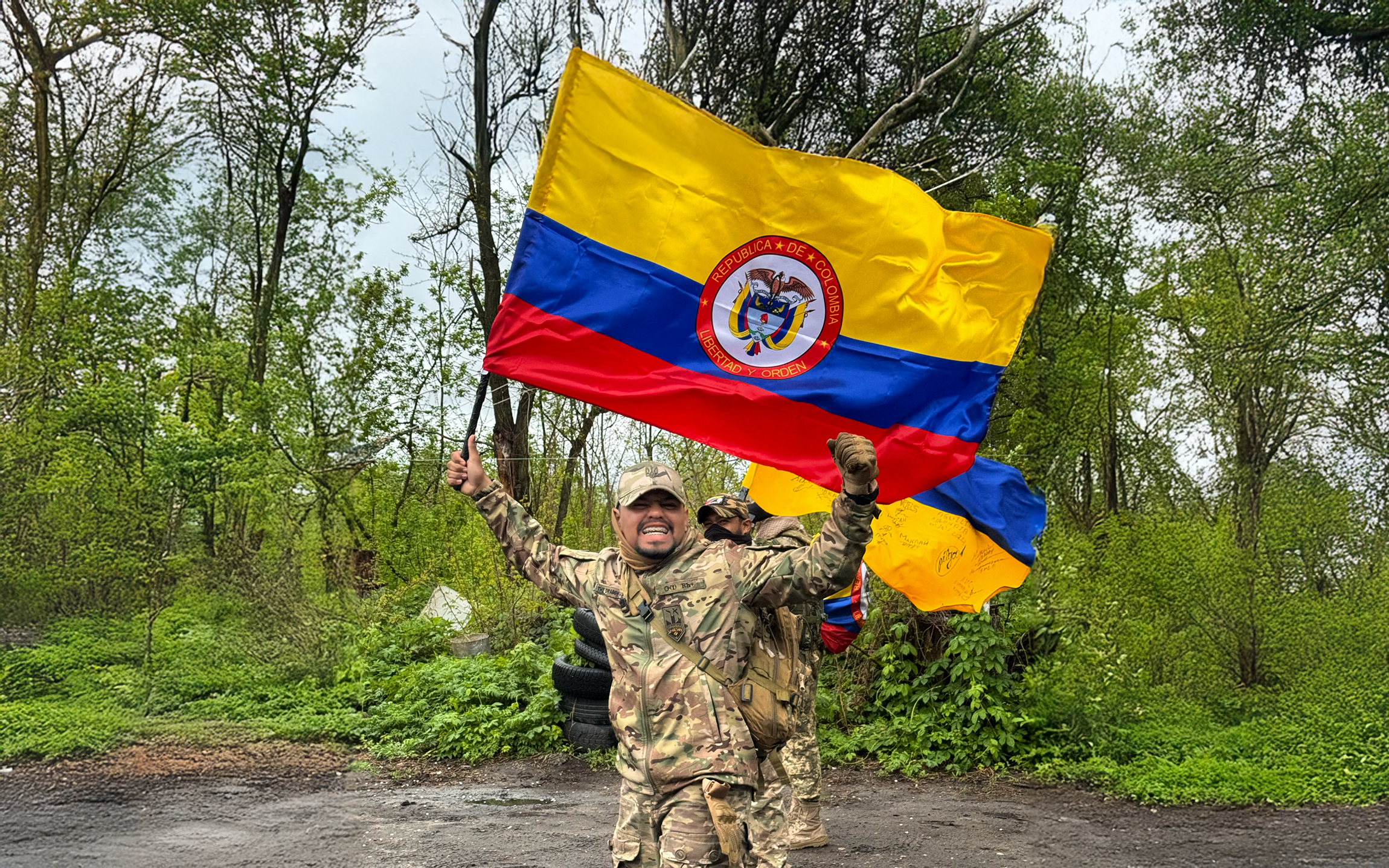
Colombian mercenaries in Sudan have described their situation in stark terms. “Things are ugly here, we’re being held captive,” one said in an audio recording published by Colombian outlet La Silla Vacía. “This is human trafficking,” said another. “They hire us for one thing and then take us somewhere else to do something different,” according to Latin America Reports.
The recruitment mechanisms are intricate—involving private security firms, social media platforms, and elaborate deception networks that promise lucrative international security jobs. Once recruited, many find themselves in coercive environments, forced to participate in extreme violence, with reports of torture, forced combat, and systemic human rights violations.
The CJNG cartel connection has added a particularly alarming dimension. The presence of Colombian veterans in Mexico’s cartel wars has transformed cartel conflicts from localized criminal enterprises into sophisticated transnational security challenges. Their expertise in explosive technologies, combat training, and tactical knowledge represents a significant escalation in cartel operational capabilities.
Colombia’s Response—and its Limits
President Petro’s ratification of the UN Convention Against Mercenaries was welcomed by the Working Group as a meaningful legislative step. But the UN experts and analysts alike are clear that legal frameworks alone cannot address the structural conditions driving the exodus.
The UN Working Group called for strengthened institutional and international cooperation, awareness campaigns, and improved economic opportunities to slow recruitment.
More than 22,000 members of Colombia’s national security forces have voluntarily retired from service since Petro took office in 2022, providing a steady supply of potential combatants to foreign recruiters. The demoralization within the security forces—accelerated by Petro’s decision to replace the entire military leadership upon taking office—has compounded the outflow.
The full scope of the problem will be presented before the UN Human Rights Council in September 2026. Until then, the pipeline remains open.
Sociedad Media covers security, organized crime, and political affairs across Latin America. Got a tip or a story? Write to us at info@sociedadmedia.com
🚨🇨🇴 | URGENTE/SOUTH AMERICA: The United Nations has found that 10,000 Colombian nationals have been recruited as foreign mercenaries to fight in global wars in the Congo, Sudan, and Ukraine in recent years.
— Sociedad Media (@sociedadmedia) March 27, 2026
The U.N. Working Group on Mercenaries said on Friday, “The phenomenon… pic.twitter.com/n0rUVJsw5v


