

MIAMI — The FIFA World Cup once represented fútbol’s most democratic ideals — a quadrennial celebration where the world’s greatest players competed for national glory while ordinary fans could witness history unfold from stadiums the world over. The inaugural World Cup was proposed by 3rd FIFA president, Frenchman Jules Rimet, in the 1920s, who envisioned a tournament that would bring together nations to compete for the title of world champion, creating a truly global spectacle accessible to fútbol’s passionate masses.
Nearly a century later, that egalitarian vision has been betrayed by financial interests that have transformed the World Cup from the people’s tournament — the purest form of democratic sporting representation — into an elite entertainment product, where profit is the competition’s sole driving force, pricing out the very fans whose passion created the competition’s mystique, purpose, and organization.
The 2026 FIFA World Cup represents the apotheosis of this commercialization in the modern era, with ticket prices reaching levels that would have been incomprehensible to the founders, like Jules Rimet, and the ordinary, poor, and working-class laborers who provided the backbone for what this most glorious of events has grown to become today.
The Story: The Democratic Origins
The 1930 FIFA World Cup was the first FIFA World Cup, the world championship for men’s national teams. It took place in Uruguay from July 13 to 30, 1930, emerging from the mud of fútbol’s grass-roots culture as a sporting event to satisfy the appetites of the common people.
The first World Cup was the only one without qualifications. Every country affiliated with the organization of FIFA was invited to compete, embodying an inclusive spirit and democratic structure that allowed no refuge for patronage, special interests, favoritism, and corruption — a structure that prioritized participation, camaraderie, and a brotherhood of nations over profit maximization.
The final of the 1930 World Cup was played at the Estadio Centenario on July 30. Feelings ran high around the La Plata Basin as the Argentine supporters crossed the river with the war cry Victoria o muerte (“victory or death”), dispelling any uncertainty as to whether the tournament had captured the imagination of the public, and of pride in heritage.
This passionate fan engagement defined the early days of the World Cup competition — tournaments where ordinary supporters could flock to cities and regions far from home, who could afford tickets that weren’t yet the equivalent of a year’s salary, and travel to stadiums that their sons and daughters could only dream of playing in.
The competition’s early decades reflected fútbol’s working-class heritage. There were 13 countries in attendance at the first World Cup in Uruguay. Seven were from South America, four were from Europe, and two were from North America. No one had to qualify. The tournament’s modest scale and accessible pricing allowed genuine supporters to attend, creating the authentic atmosphere that would help to inspire the World Cup’s special mystique in future decades.
The Commercial Revolution
In the 1970s, however, things began to change, and the World Cup started to become big business as innovators and advertising pioneers saw the market value in the event’s attraction. The 1966 World Cup, hosted by England, was the first to embrace marketing, featuring a mascot and official logo for the first time, introducing concepts that would eventually evolve into sophisticated revenue extraction mechanisms.
In 1974, Brazilian João Havelange became the president of FIFA and helped to turn FIFA into a money-making machine by cultivating eyeballs and partnering with companies to offer television rights and sponsorships, which were now sold for ever larger amounts.
This marked the beginning of the World Cup’s transformation from sporting competition to commercial enterprise. The shift accelerated dramatically under subsequent FIFA leadership over the next half-century, culminating in its current extreme under Swiss President Gianni Infantino’s administration.
Accessibility & The Price Explosion
The 2026 World Cup has morphed to embody the maximum profit-making concept it represents today, which has been criticized by spectators and local governments in the United States and Mexico for its unprecedented assault on accessibility.
Local municipalities have voiced mounting frustrations with FIFA’s lack of coordination and cooperation in managing the 2026 World Cup’s impact on their communities. Kansas City and other World Cup host cities must provide stadium infrastructure, transportation, security, and even medical support — with little help from FIFA, despite sky-high ticket prices. This burden-shifting approach has left municipalities struggling to accommodate both visitors and residents while FIFA captures the majority of tournament revenues.
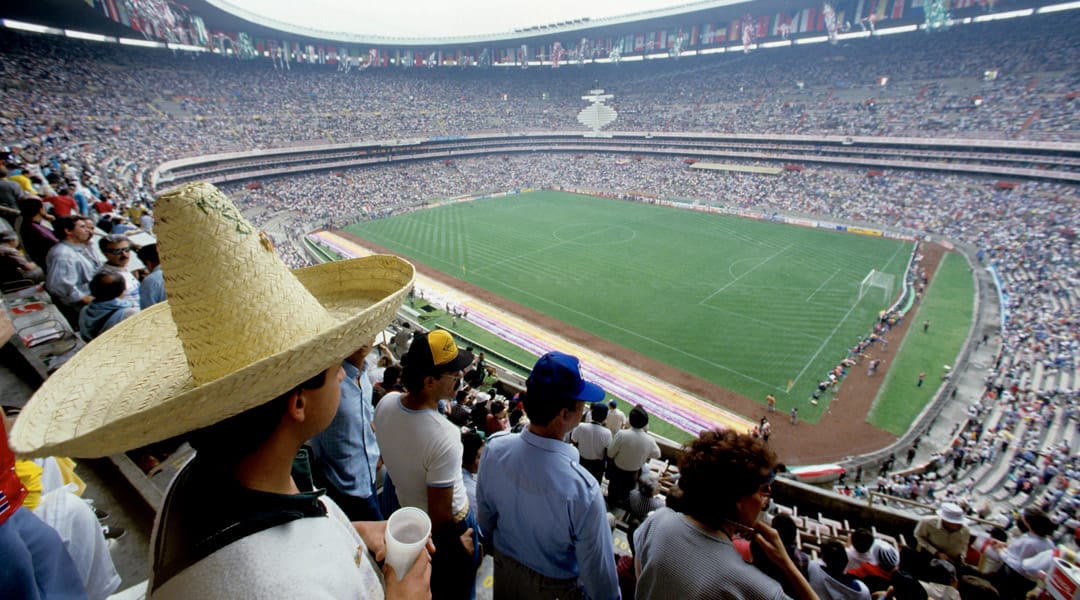
Despite FIFA’s public commitments to inclusivity, local governments report inadequate cooperation on ensuring tournament accessibility for existing residents. While FIFA profits from record ticket prices, municipalities struggle to maintain basic services and accommodate the influx of visitors. “...Without receiving this money, it could be catastrophic for our planning and coordination,” Joseph Mabin, the deputy chief of the Kansas City (Missouri) police, warned, highlighting how FIFA’s profit-maximizing approach leaves local communities bearing operational risks and costs while being excluded from financial benefits.
This pattern reveals FIFA’s fundamental disconnect from the communities hosting its tournament — an organization that treats local governments as service providers rather than partners, demanding extensive municipal resources while offering minimal cooperation or compensation in return.
The prices FIFA is charging for the 2026 World Cup are dramatically higher than in any previous tournament. When the tournament was held in Qatar in 2022, the most expensive tickets for the final were about $1,600 per seat. For this tournament so far, the highest-priced general admissions ticket costs about $10,990.
The magnitude of these increases defies rational explanation. For the opening match, a Category 4 ticket has seen a near tenfold increase, jumping from just $55 in Qatar to a staggering $560 in 2026. This means the cheapest ticket now costs more than the most expensive Category 1 group stage ticket ($575) in the prior World Cup.
Even more shocking: the final match. The biggest shock comes with the Final at Metlife Stadium in East Rutherford, New Jersey, where the cheapest ticket has soared from $206 to $2,030, representing another near tenfold increase. Crucially, the cheapest seat for the 2026 Final now costs more than the most expensive Category 1 Final ticket ($1,607) did in 2022.
To understand the absurdity, consider this: The last time the U.S. hosted the World Cup in 1994, prices ranged from $25 to $475. Adjusted for inflation, those figures would represent approximately $50-$950 in 2026 — still a fraction of the current prices for this summer’s World Cup.
The Speculation Economy
FIFA’s pricing strategy deliberately creates artificial scarcity to maximize revenue extraction. Stefan Szymanski, a professor at the University of Michigan who co-authored the best-selling book ‘Soccernomics’ thinks FIFA uses that lack of clarity to its advantage.
“One way in which FIFA can rack up the highest possible ticket prices is if they can create a belief that these tickets are incredibly scarce and that they are going to be really hard to get hold of,” he said to NPR.
The organization has essentially become a legalized ticket scalping operation. Taking advantage of regulations (or lack thereof) unique to the United States and Canada — two nations which will, between them, host 91 of the 104 World Cup fixtures in 2026 — FIFA is legally entitled to run its own official resale platform, which banks them 30% of every secondary transaction.
This system creates perverse incentives where FIFA profits from speculation.
Jhamie Chin, FIFA senior media relations officer, highlights how third-party resale platforms like TicketMaster and StubHub, also make money from high-priced tickets, referring to instances of “speculative selling,” Chin called them, where resellers list tickets in hopes a consumer would opt to pay their often exorbitant prices before FIFA sets its official pricing for tickets.
The result is a marketplace where tickets reach astronomical prices, where you have Category 4 resale prices reaching over $40,000 for the World Cup final at MetLife Stadium.
The resale market operates with virtually no controls. The situation exposes the huge gulf in ticket valuation, where punters or even professional ticket scalpers are allowed to publish listings with virtually any asking price.
Dynamic Pricing: The Final Insult
FIFA has imported American entertainment industry practices that treat fútbol fans as mere consumers rather than passionate supporters. “The employment of dynamic ticket pricing for the 2026 FWC starkly contrasts with FIFA’s core mission to promote the accessible and inclusive promotion and development of soccer globally,” 69 Democratic members of the U.S. Congress wrote in a March 10 letter to FIFA president Gianni Infantino.
Dynamic pricing means costs fluctuate based on demand algorithms rather than sporting merit. FIFA president Gianni Infantino said that many fans who have applied for tickets for the 2026 World Cup will be looking to sell them for profit on resale sites, thus driving up the cost of tickets for the summer event. This admission reveals FIFA’s complicity in creating a speculative market that prices out genuine supporters.
For an ordinary family that has waited eight years for the competition to finally come to town, one could understand the frustration at how excluded ordinary fans could feel at the disappointment.
Media Silence on the Great Betrayal
Major sports media outlets have largely failed to contextualize this pricing crisis within fútbol’s historical and cultural framework. While outlets report the numbers, few examine how this represents a fundamental betrayal of the sport’s democratic ideals. The coverage treats exorbitant pricing as inevitable market forces rather than deliberate policy choices that exclude working-class fans.
This journalistic failure stems partly from the sports media’s own elite perspective. Many reporters covering the World Cup represent outlets whose parent companies benefit from FIFA’s commercialization through broadcasting deals and sponsorship arrangements. The result is coverage that normalizes pricing that would have been considered scandalous in previous generations.
The silence extends to FIFA’s governance failures. FIFA has faced several challenges, including corruption scandals in 2015, which led to leadership changes and strict governance reforms. However, media coverage rarely connects these governance issues to the current pricing crisis, treating them as separate phenomena rather than symptoms of institutional capture by financial interests.
The Cultural Alternative
The pricing crisis inadvertently creates opportunities for authentic cultural engagement that FIFA’s sterile stadium experience cannot match. Across Latin America, working-class fans excluded from stadiums gather in neighborhood bars, pubs, and restaurants — or, as is more common in South America, public squares — where residents are able to watch matches together in the open.
Consider a typical scene in Guadalajara during Mexico’s World Cup matches: local cantinas fill with supporters who cannot afford the $500+ tickets for group stage games. These venues — often featuring single television screens, plastic chairs, and cold beer — create more genuine atmosphere than FIFA’s corporate hospitality suites. Fans and residents sing traditional songs, share meals, and experience collective joy (or misery) in ways that stadium luxury boxes cannot replicate.
These alternative viewing experiences preserve fútbol’s authentic culture.
Street vendors sell team jerseys outside bars, children wear face paint in national colors, and entire neighborhoods empty onto sidewalks when their team scores. This organic celebration represents what the World Cup was meant to be: a moment when football transcends class divisions and unites communities.
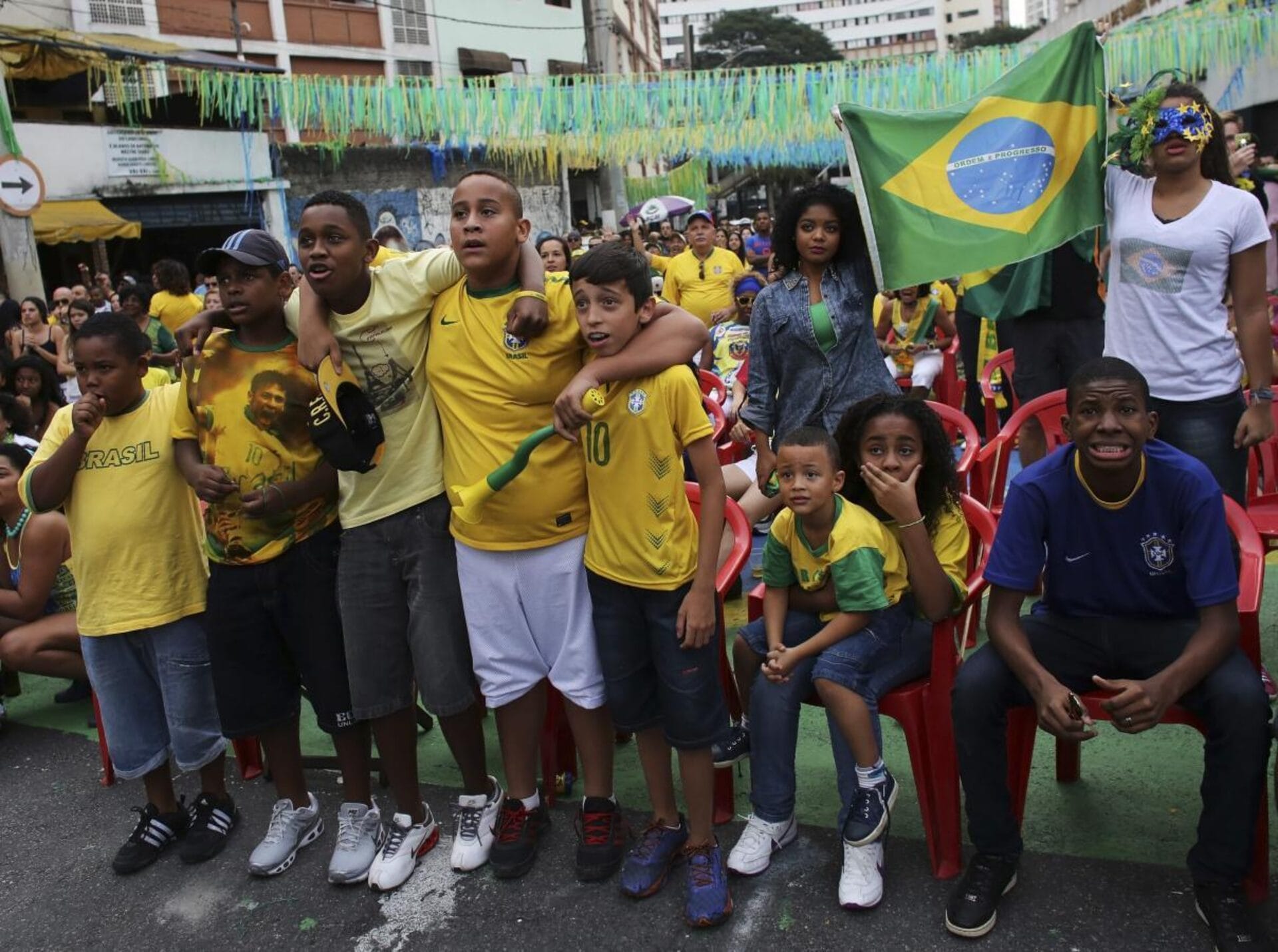
In Mexico City’s working-class neighborhoods, taco shops and pulquerías become unofficial fan zones during fútbol matches. The intimacy of these spaces — where regulars know each other’s names and families — creates bonds that FIFA’s sanitized “fan festivals” cannot manufacture.
These are the moments that sons and daughters cherish with their mothers and fathers — when, for even a single moment, a nation’s pride is felt, reverberating through the poor barrios of Tegucigalpa, to the lofty apartment complexes in the posh parts of Bogotá — friends and family cherish these moments for the rest of their lives.
The Path Forward
The current trajectory threatens fútbol’s very soul — and real fútbol loyalists have raised alarm about it for years. When ticket prices exclude the passionate supporters who created this culture, the sport loses its essential character.
The World Cup risks becoming what the Olympics became — a sterile corporate showcase divorced from its sporting roots.
Reform requires recognizing that the World Cup belongs to global fútbol culture, not FIFA’s balance sheet. Ticket allocation should prioritize supporters’ groups and local communities over corporate hospitality. Pricing should reflect fútbol’s working-class heritage, not entertainment industry profit maximization.
“The extreme high demand for World Cup tickets should not be a green light for price gouging at the expense of the people who make the World Cup the most-watched sporting event in the world,” U.S. lawmakers wrote.
This simple principle — that demand should not justify exploitation — represents the foundation for restoring the World Cup’s democratic character.
Reclaiming the Beautiful Game
Jules Rimet envisioned a tournament where nations gathered in sporting fellowship, where fútbol’s universal language could bridge cultural divides. That vision presumed ordinary people could afford tickets, that working-class passion would fill stadiums, and that sporting merit rather than financial capacity would determine access.
The 2026 World Cup represents the complete inversion of these ideals. Astronomical ticket prices, speculative resale markets, and dynamic pricing algorithms have transformed fútbol’s greatest celebration into an elite entertainment product.
The beautiful game has been hijacked by the ugly excesses of abusive marketing and hungry commercialism.
Yet hope persists in those Guadalajara bars, Mexico City cantinas, and neighborhood gathering spaces in Bogotá and São Paulo. There, excluded from FIFA’s corporate extravaganza, authentic fútbol culture survives. There, the World Cup remains what it was always meant to be: a moment when ordinary people united by passion for the beautiful game can still witness greatness, even if only on grainy television screens with cheap beer and shared dreams.
The choice facing football is clear: reclaim the World Cup for its supporters, or watch it disappear into irrelevant elitism. The beautiful game deserves better than to be shut out to those who built it.
Sociedad Media will continue covering the 2026 FIFA World Cup and all developments leading to the tournament’s opening match. For World Cup-related news tips, contact info@sociedadmedia.com


