

Our Wednesday Sociedad Media Now newsletter on regional security, and new developments in the race to become Peru’s next president.
Honduras Had Its Deadliest Month Since 2018 Following Gruesome Farm Massacre
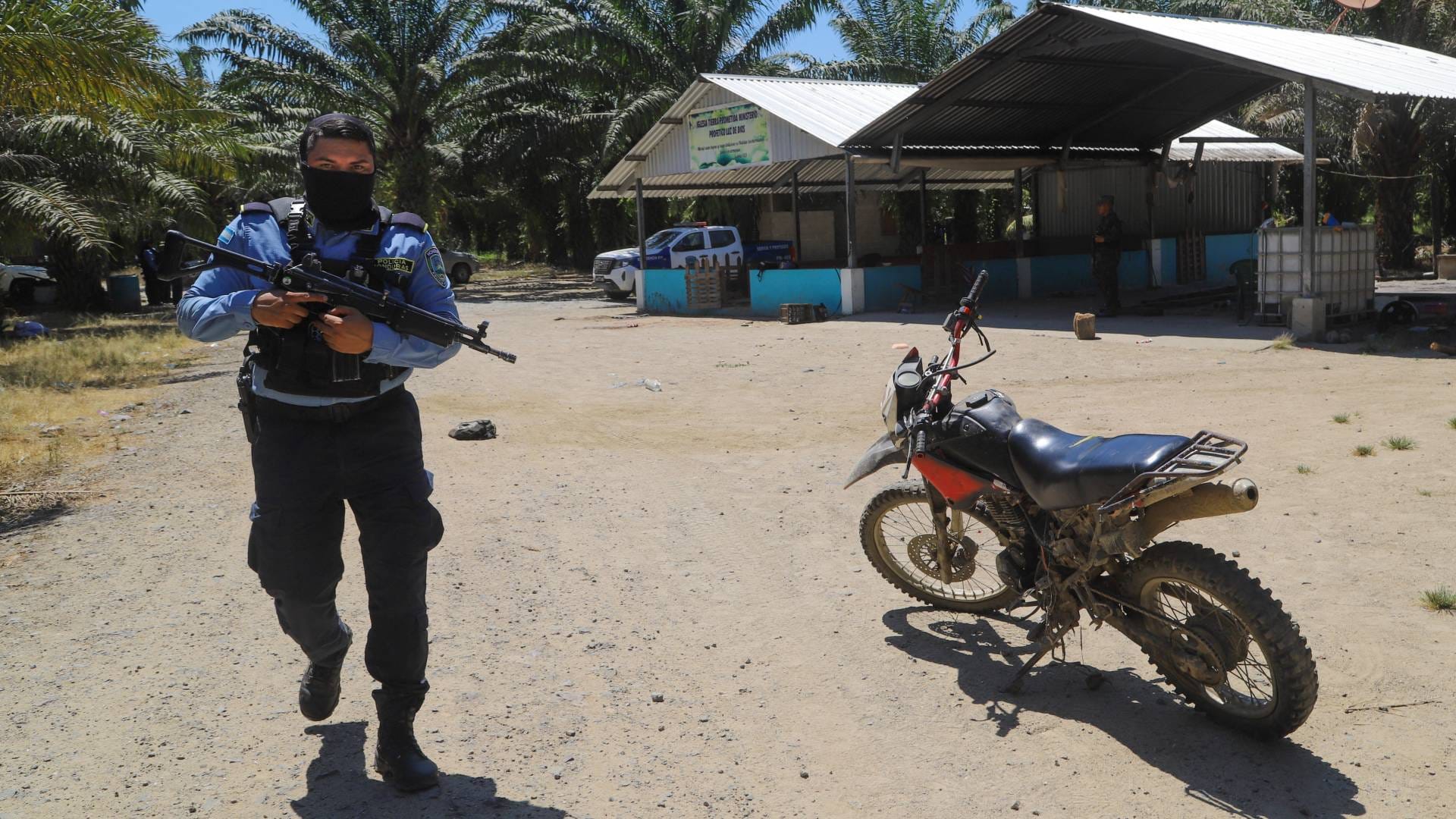
TEGUCIGALPA, HONDURAS — Gunmen wearing Honduran police uniforms broke into an African palm plantation in Rigores, Colón, on May 21 and massacred 19 workers — some of whom were praying before their workday began — as six police officers were ambushed and killed the same afternoon in a separate attack near the Guatemalan border.
The attacks marked May 2026 the deadliest month in Honduras since 2018, while the alleged mastermind — arrested two weeks later — is a 27-year-old gang leader named “The Black Cat.”
Analysts debate the issues at the heart of the violence as a violent criminal underworld fights for control over one of Central America’s most chronically violent territories.
Venezuelan Gang Founder Is Dead. What Comes Next for Tren de Aragua?
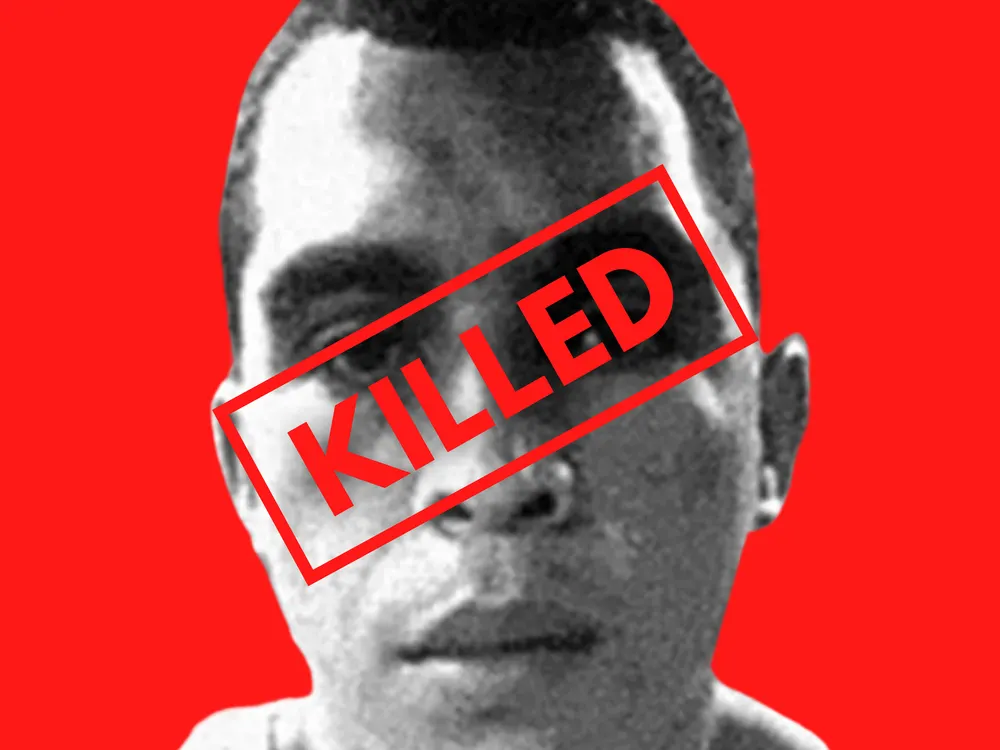
Héctor “Niño” Guerrero — the founder of Tren de Aragua, who built a prison empire complete with a swimming pool, zoo, discotheque, and five kilometers of escape tunnels before transforming it into a hemisphere-wide criminal network spanning Chile, Colombia, Peru, the United States, and Europe — was killed in a joint U.S.-Venezuela airstrike in Bolívar state on June 12.
Analysts warn the organization’s fragmented cells, which have operated autonomously since Venezuelan authorities stormed his Tocorón prison compound in 2023, are unlikely to dissolve with their founder, as co-founder Yohan “Johan Petrica” Romero — described as the organization’s true strategic mastermind — is already positioned to succeed him.
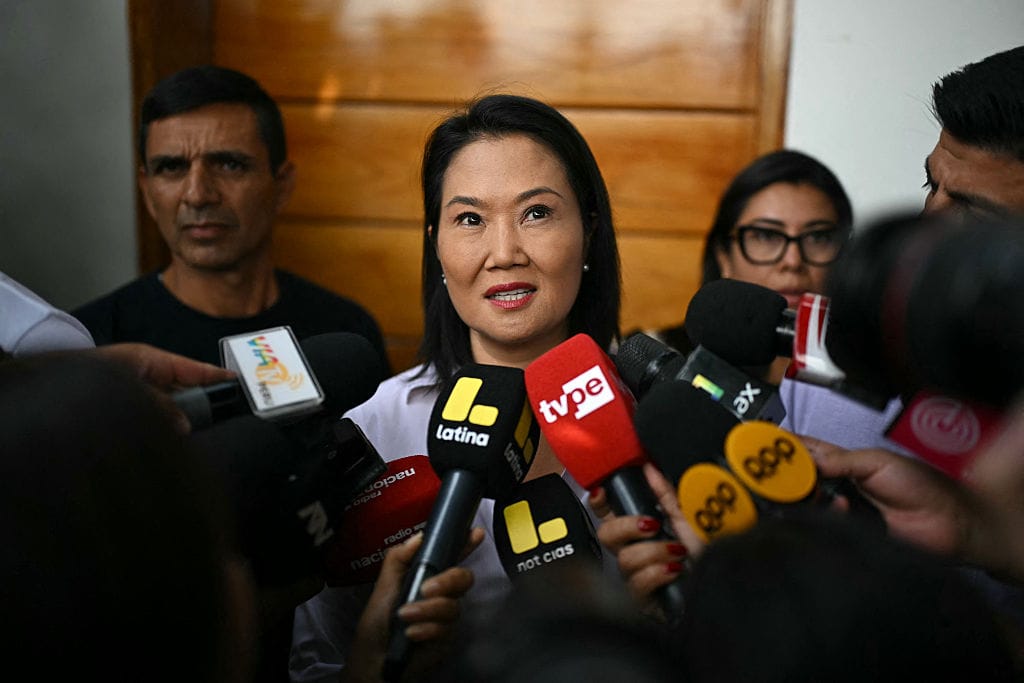
Peru’s Election Is Over. No Winner Confirmed. Where Do Things Stand?
LIMA, PERU — With 100% of votes counted and Keiko Fujimori leading by 24,000 ballots, Peru still has no certified president.
Left-wing candidate Roberto Sánchez declared fraud without evidence, called on the electoral court to annul 300,000 overseas ballots that broke decisively for Fujimori, promised “popular and patriotic resistance” against a Fujimori government, and called supporters into the streets, having explicitly pledged on June 5 to respect whatever the citizens’ vote decided.
The post-electoral crisis mirrors the six-week institutional breakdown that followed the 2021 runoff, as Peru’s exhausted democratic institutions — already on their ninth president in a decade — are being asked to absorb one more time.