GUATEMALA UNDER SEIGE (Part One): Authorities Declare State of Emergency
The Guatemalan government issues state of emergency order as gangs usurp control of major prisons, taking dozens of guards hostage amid a violent gang surge troubling the Arévalo government
Guatemala is under siege, according to the national government, which has declared a 30-day state of emergency after gang members from the notorious Barrio 18 street gang mutinied across three prison facilities in the Guatemalan capital on early Saturday.
Inmates took 49 hostages during the rebellions, seizing control of three major prisons as the national government continues to reject prisoner demands to transfer the gang’s top echelon to lower-security facilities in and around the capital of Guatemala City.
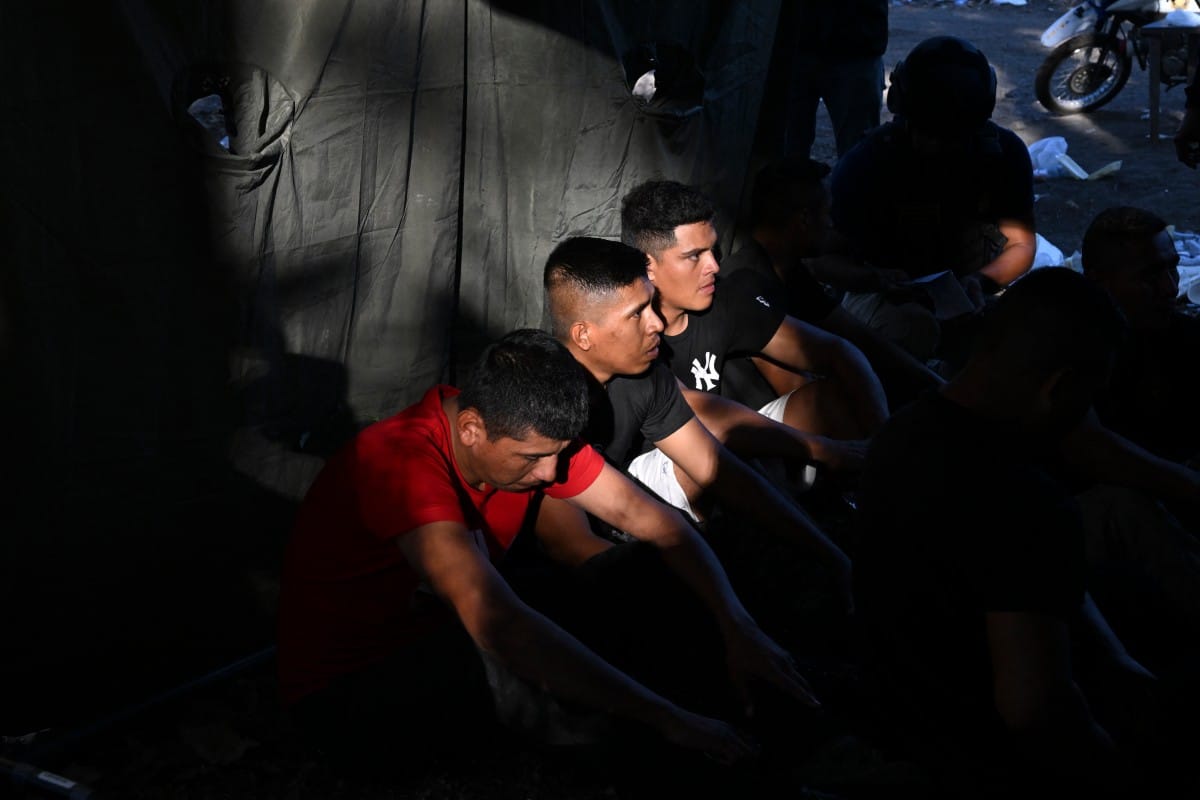
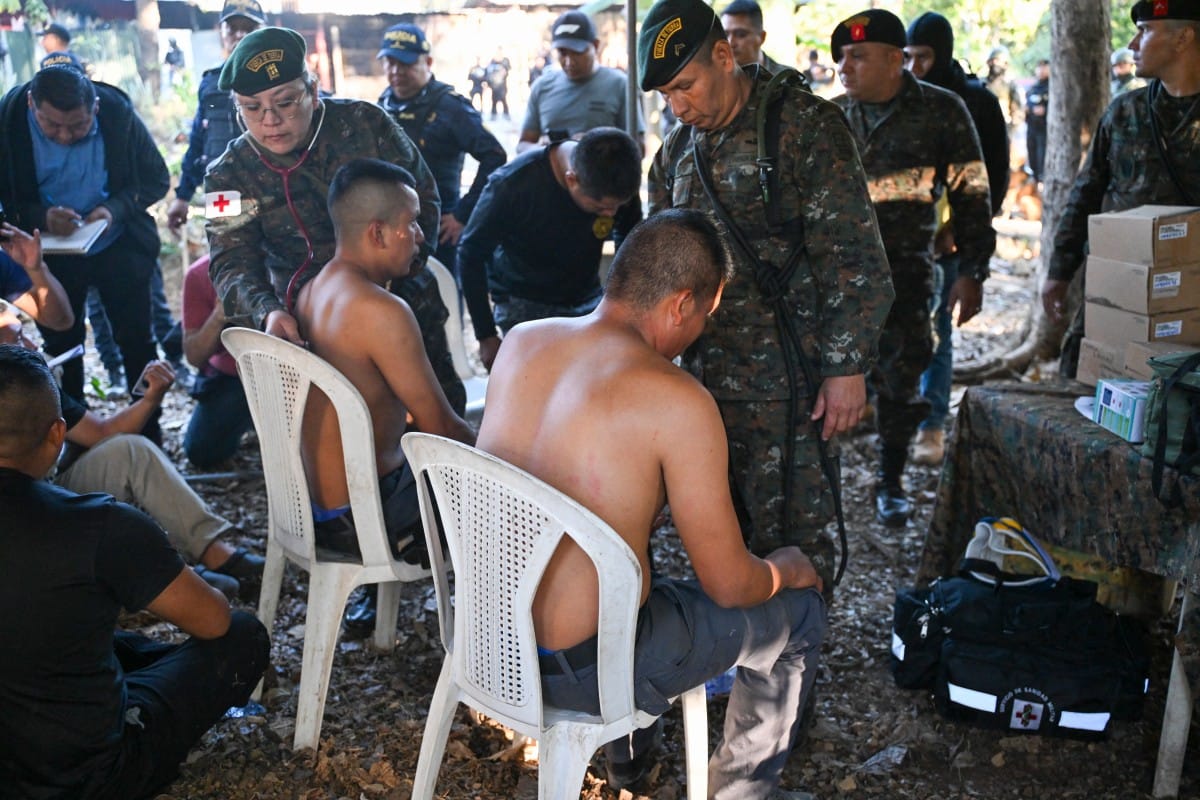
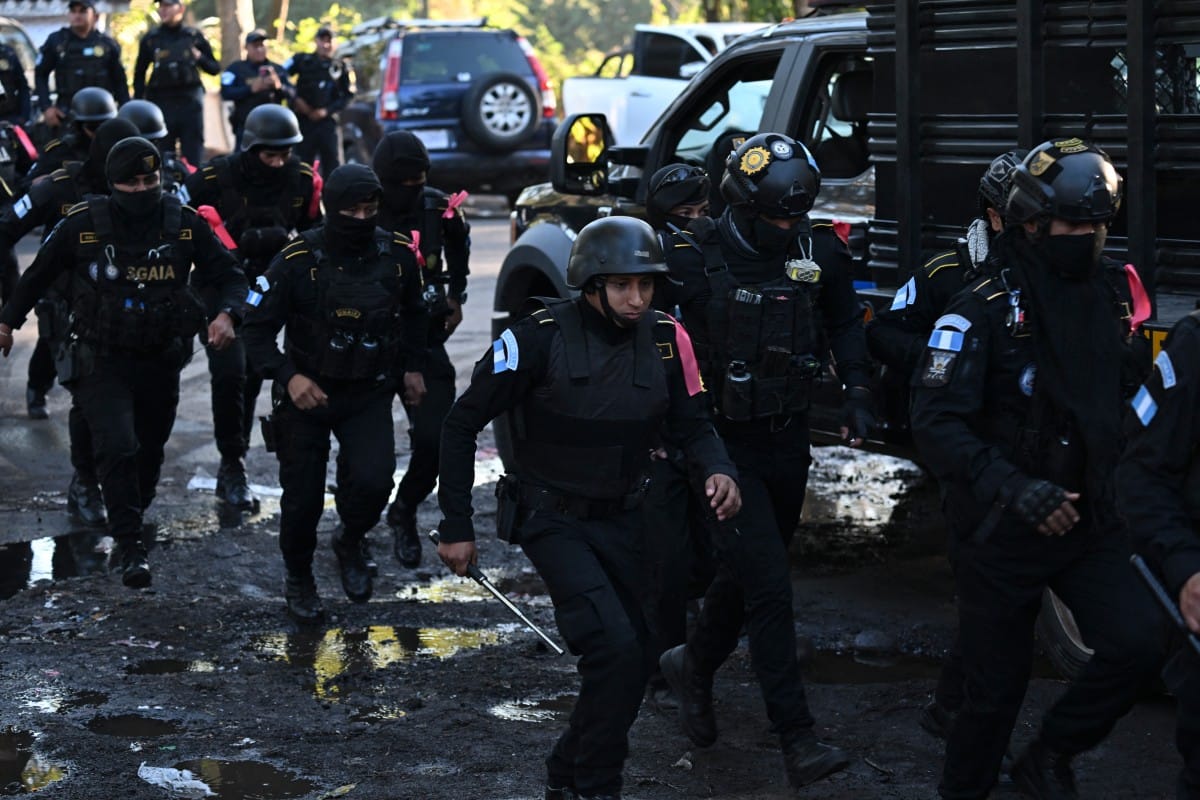
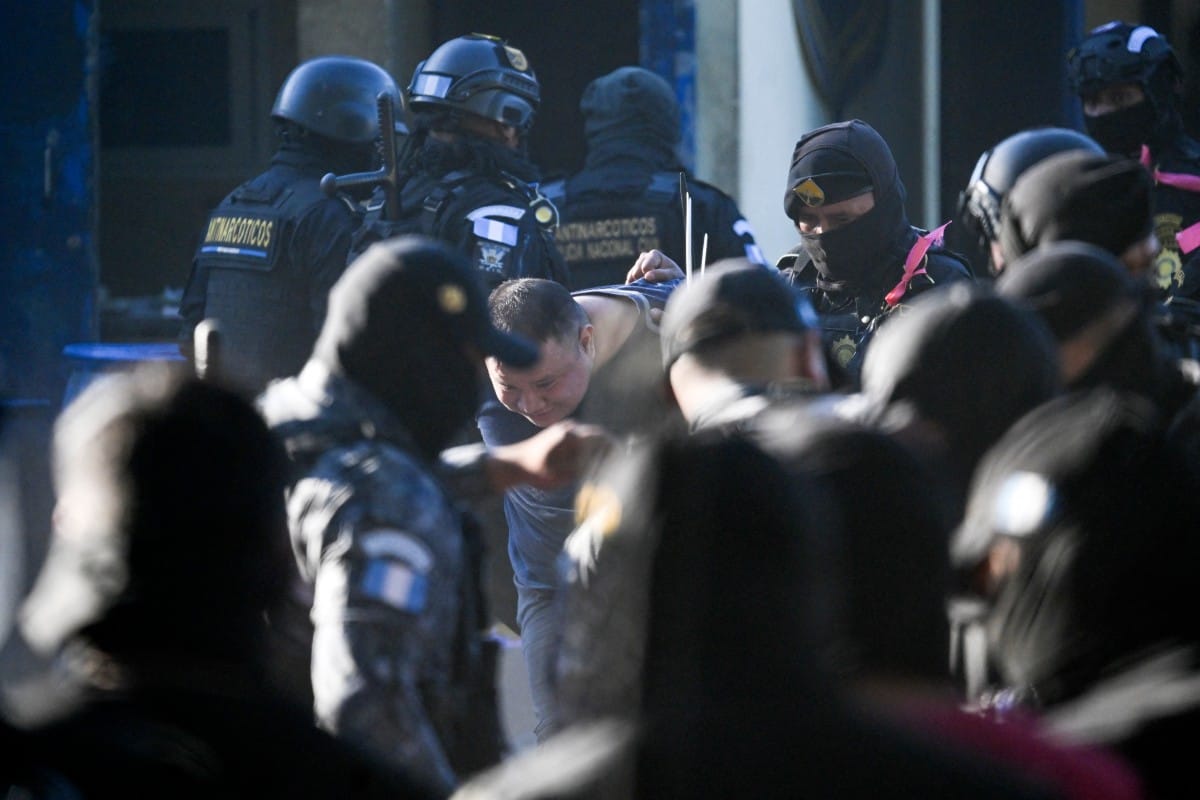
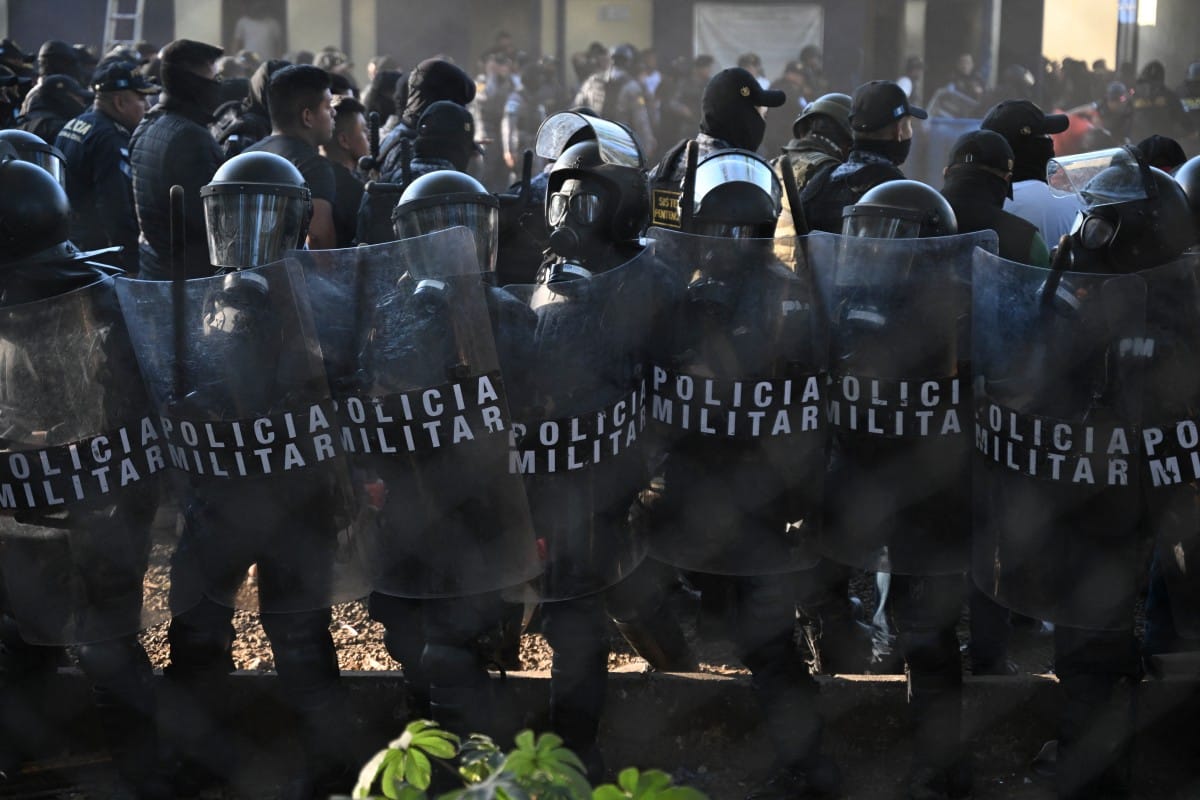
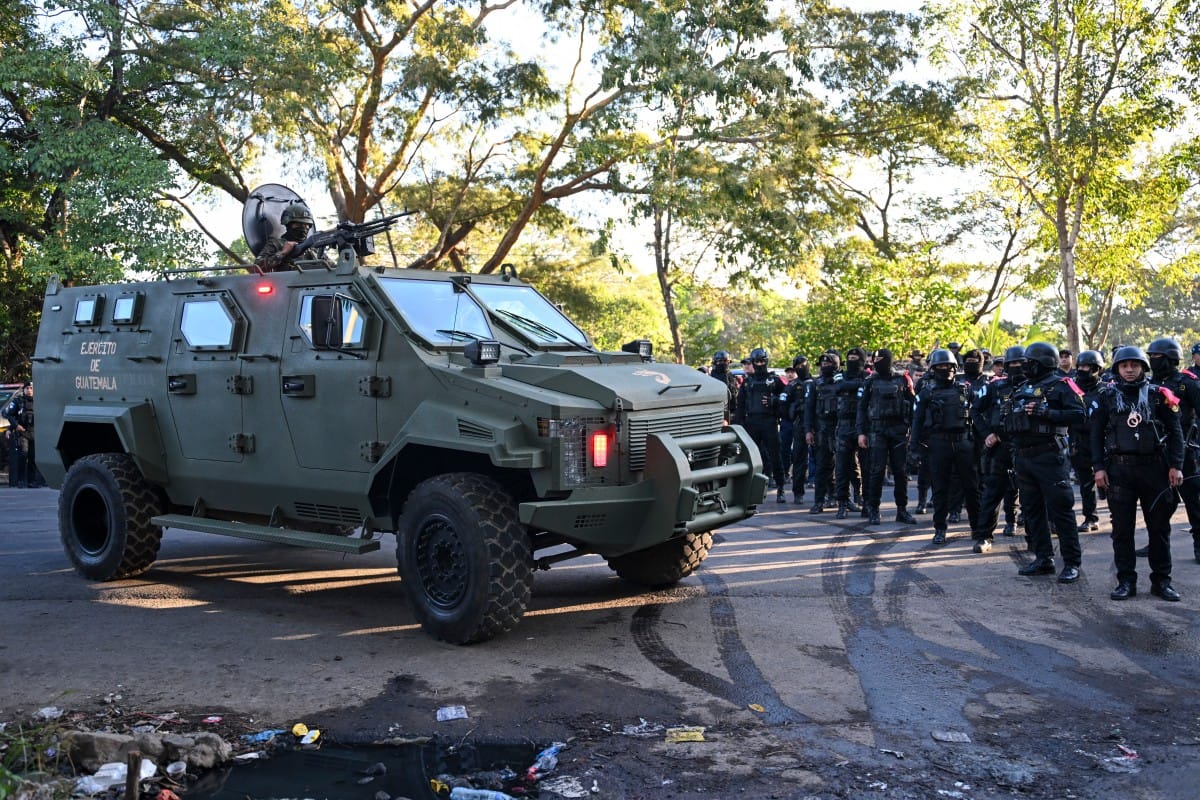
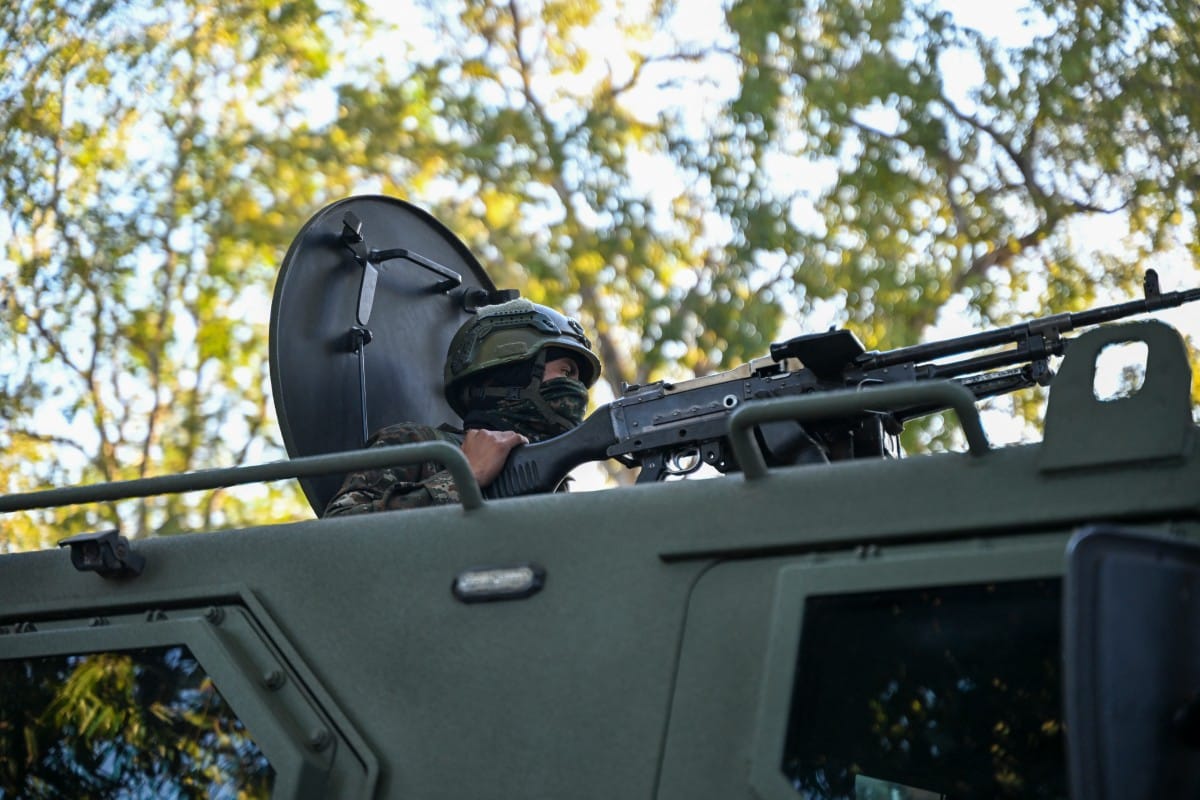
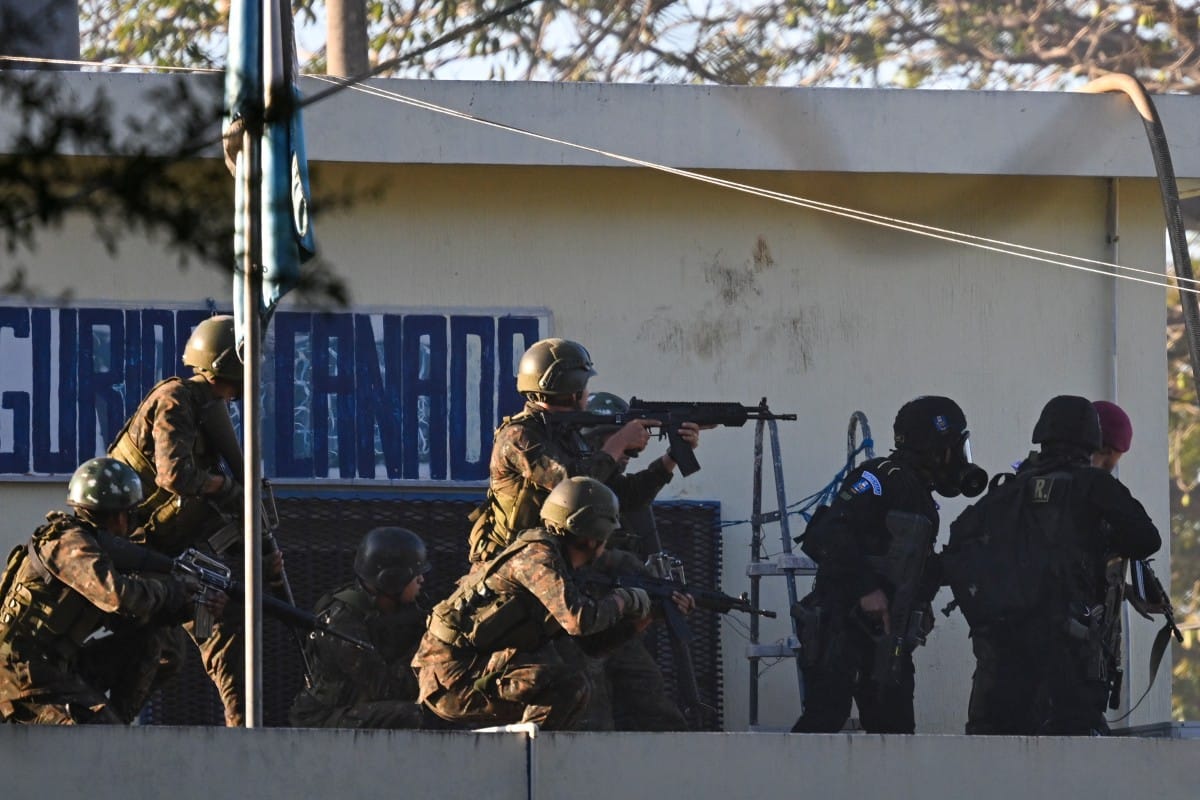
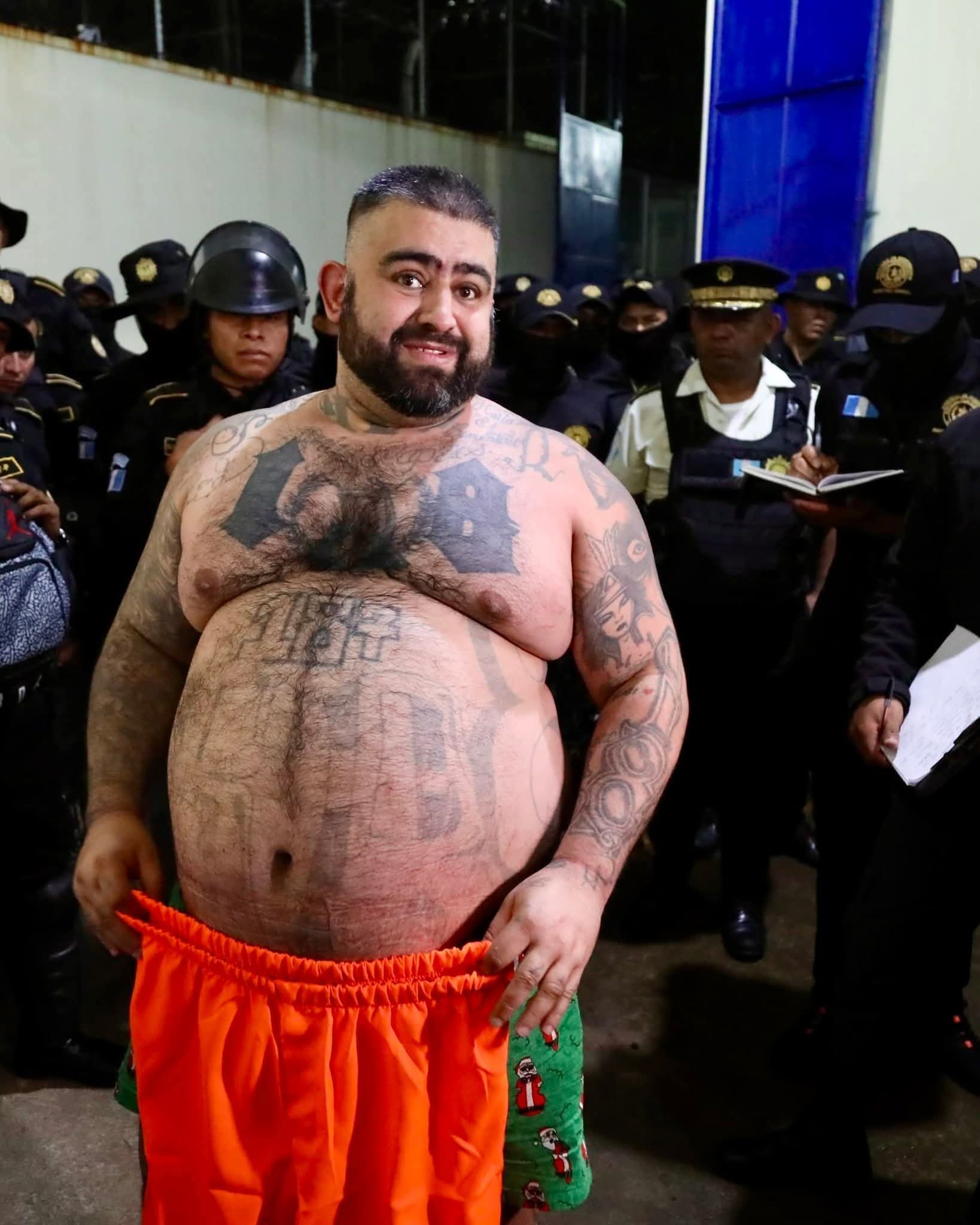
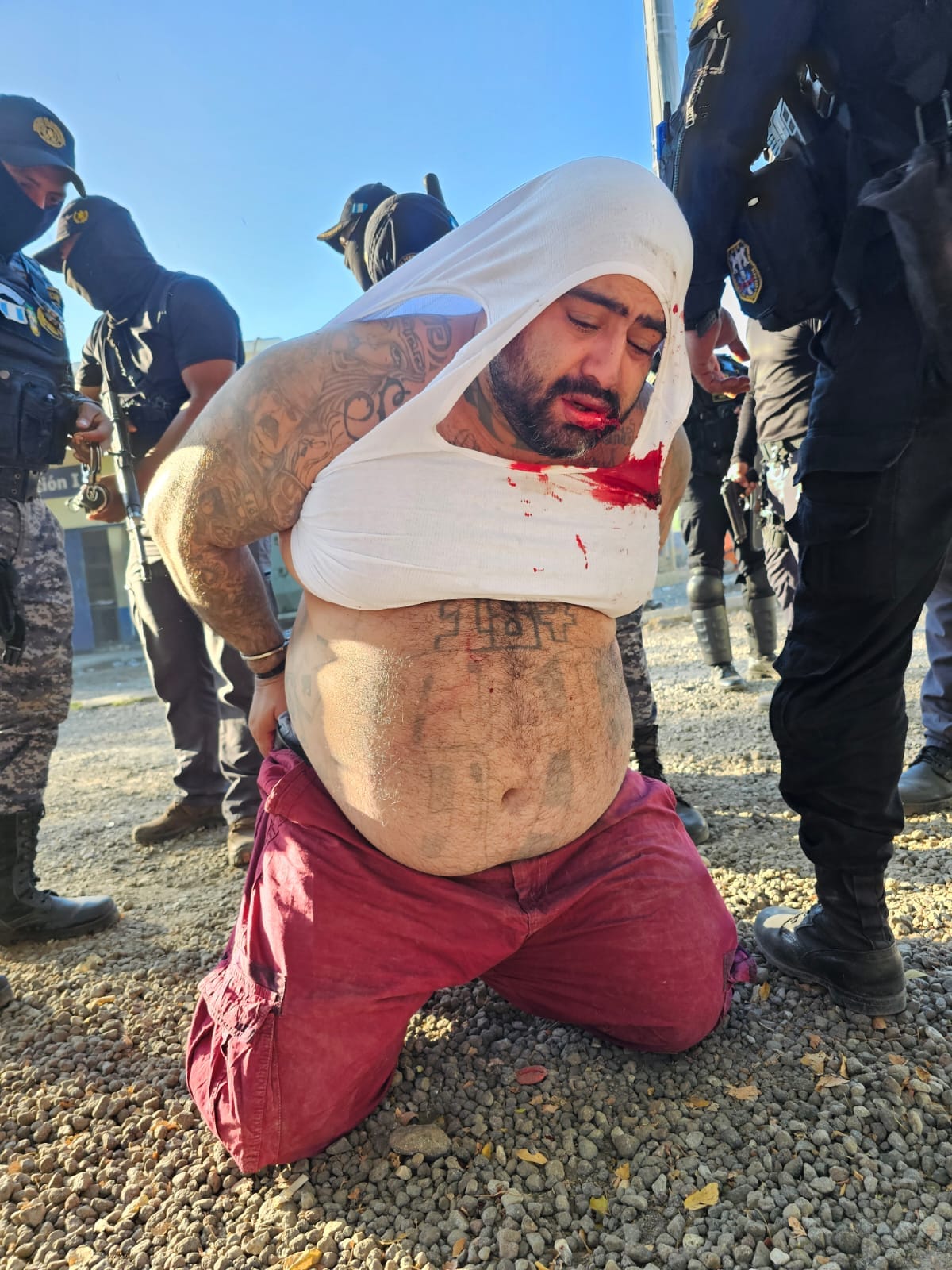
Photos taken in the aftermath of this weekend’s riots at the maximum-security prison Renovación 1, in Escuintla, Guatemala, on Sunday, Jan. 18, 2026. The mutinies were sparked after failed attempts by prisoners to negotiate with the Guatemalan government regarding the transfer of gang leadership to lower-security facilities throughout the capital of Guatemala City. Credit: AFPPhotos taken in the aftermath of this weekend’s riots at the maximum-security prison Renovación 1, in Escuintla, Guatemala, on Sunday, Jan. 18, 2026. The mutinies were sparked after failed attempts by prisoners to negotiate with the Guatemalan government regarding the transfer of gang leadership to lower-security facilities throughout the capital of Guatemala City. Credit: AFPPhotos taken in the aftermath of this weekend’s riots at the maximum-security prison Renovación 1, in Escuintla, Guatemala, on Sunday, Jan. 18, 2026. The mutinies were sparked after failed attempts by prisoners to negotiate with the Guatemalan government regarding the transfer of gang leadership to lower-security facilities throughout the capital of Guatemala City. Credit: AFPPhotos taken in the aftermath of this weekend’s riots at the maximum-security prison Renovación 1, in Escuintla, Guatemala, on Sunday, Jan. 18, 2026. The mutinies were sparked after failed attempts by prisoners to negotiate with the Guatemalan government regarding the transfer of gang leadership to lower-security facilities throughout the capital of Guatemala City. Credit: AFPPhotos taken in the aftermath of this weekend’s riots at the maximum-security prison Renovación 1, in Escuintla, Guatemala, on Sunday, Jan. 18, 2026. The mutinies were sparked after failed attempts by prisoners to negotiate with the Guatemalan government regarding the transfer of gang leadership to lower-security facilities throughout the capital of Guatemala City. Credit: AFPPhotos taken in the aftermath of this weekend’s riots at the maximum-security prison Renovación 1, in Escuintla, Guatemala, on Sunday, Jan. 18, 2026. The mutinies were sparked after failed attempts by prisoners to negotiate with the Guatemalan government regarding the transfer of gang leadership to lower-security facilities throughout the capital of Guatemala City. Credit: AFPPhotos taken in the aftermath of this weekend’s riots at the maximum-security prison Renovación 1, in Escuintla, Guatemala, on Sunday, Jan. 18, 2026. The mutinies were sparked after failed attempts by prisoners to negotiate with the Guatemalan government regarding the transfer of gang leadership to lower-security facilities throughout the capital of Guatemala City. Credit: AFPPhotos taken in the aftermath of this weekend’s riots at the maximum-security prison Renovación 1, in Escuintla, Guatemala, on Sunday, Jan. 18, 2026. The mutinies were sparked after failed attempts by prisoners to negotiate with the Guatemalan government regarding the transfer of gang leadership to lower-security facilities throughout the capital of Guatemala City. Credit: AFP
For several years, prison riots have resulted in numerous deaths in a region where local criminal groups hold tremendous influence over Guatemalan detention facilities. Gang organizations like the Barrio 18 street gang and MS-13 often conduct their criminal enterprises behind bars with the complicity of the local prison guards.
At dawn on Sunday, members of the National Civil Police (PNC), with the support of the Guatemalan Armed Forces, entered the compound of Renovación 1, a maximum-security prison located in Escuintla, about 75km (45 miles) south of Guatemala City, apprehending mutineers and freeing those taken hostage by the gangs.
Security forces also regained control of two other prison facilities with a large inmate population of known and suspected gang members from the Barrio 18 street gang and Mara Salvatrucha (MS-13).
Aldo Dupie, alias “El Lobo”– or The Wolf, leader of Barrio 18 prior to transfer to the Renovación 1 prison facility, in Escuintla, Guatemala. Credit: @sociedadmedia/X Aldo Dupie, alias “El Lobo”– or The Wolf, leader of Barrio 18 taken into custody following riots at the maximum-security prison Renovación 1 on Sunday, Jan. 18. 2026. Credit: @diaadianewsSV/X
Guatemalan security forces apprehended the ring-leader of the riots, identified as Aldo Dupie, alias “El Lobo”– or The Wolf–taking the gang boss into custody. El Lobo was recently transferred to the maximum-security prison as part of the government’s efforts to regain control of the capital’s prison facilities and to root out rampant corruption and collusion by local prison guards.
The government of Guatemalan President Bernardo Arévalo has received criticism from residents since taking office in January of 2024 for what critics call a soft-on-crime approach. The Guatemalan homicide rate has been on a steady decline compared to previous years, when murders reached their peak in 2009 with 46 killings per 100,000, however, the proliferation of gangland supremacy, rampant crime, robberies, and drug-fueled violence as gangs compete for territory has remained a persistent problem for the Arévalo administration.
Local police and army forces also freed a total of 28 additional hostages from Fraijanes II prison and another nine at Preventivo in the capital’s eastern territory.
🚨🇬🇹 | AHORA/GUATEMALA: Aldo Dupie, alias “El Lobo”–or The Wolf–leader of the Barrio 18 street gang taken into custody following mutinies at three prison facilities in Guatemala City over the weekend, where dozens of guards were taken hostage.
For 47 years, Washington banned Guatemala from buying American weapons. On Monday, that changed—and the announcement signals a new chapter in U.S.-Central America security cooperation
Conservative Laura Fernández carries the populist mantle, vowing to crack down on the drug-fueled crime epidemic and reinforcing public safety measures for citizens
Chile has its most conservative president since Pinochet. A border barrier is already under construction. Six emergency decrees were signed on day one. And the transition from Boric was so turbulent that Kast walked out of handover talks
Cuba went completely dark on Monday. Every light on the island went out simultaneously—the first total grid collapse since the U.S. oil blockade began. The pots will bang again tonight
Wagner Moura walked into the Dolby Theatre as the first Brazilian ever nominated for Best Actor. He walked out having changed what is possible for Latin American cinema, whatever the envelope revealed
Seven years after Washington walked away from Venezuela, the American flag flies over Caracas again. And the man who helped Maduro hide the money is headed back to a U.S. federal courtroom—for the second time